

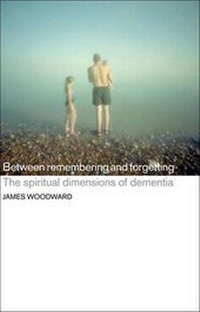
Between Remembering and Forgetting
The Spiritual Dimensions of Dementia
Published on 10. June 2010
Book
Paperback/Softback
152 pages
978-1-4411-3114-0 (ISBN)
Description
This is a resource for reflection on the nature of dementia, particularly its spiritual dimension and the implications of that for Churches and other faith groups. Here is a long overdue resource for reflection on the nature of dementia, particularly its spiritual dimension and the implications for Churches and other faith groups. A practical focus offers not only a critique of areas for future research and development in the field of dementia, but also directs the reader to further resources. The Leveson Centre brings together for study, reflection and the exchange of ideas and information those who believe that older people should not be considered passive recipients of care, but as valued and cherished members of society, who can inform and enrich the lives of others. In particular the Center is developing an understanding of spirituality as lived by older people and aims to support them to express their spiritual awareness. Contributions from distinguished and experienced practitioners in the front line of dementia research and care are here given a context and an overview by the Director of the Foundation, to provide a resource for reflection and practice.
Reviews / Votes
'[This book] should be mandatory reading for all entering ministry or providing pastoral care for the elderly.' Church Times, 23rd July, 2010 Reviewed in the Baptist Times 17th September (UK) 'I would highly recommend this book to anyone who is seeking a greater understanding on caring either personally or pastorally with someone who has dementia.' 'This is an excellent introduction to an illness which now affects a quarter of those over 85... The chapter by Dr Adrian Treloar...is especially helpful.' -- Catholic Herald Between Remembering and Forgetting almost made me weep. It is a clarion call to everyone concerned to recognise that people with dementia, from its mildest to its most severe forms, can still communicate, still have spiritual longings, and that we can reach them, with our imagination and their help. Everyone who looks after, or is concerned with policy around the care for, people with dementia needs to read these glorious and humbling essays and learn from them. -- Rabbi the Rt Hon the Baroness Neuberger As we enjoy longer life expectancy, dementia becomes an increasingly significant and fearful challenge to the quality of our life. This collection of essays invites us to consider dementia from a variety of perspectives. It is a clear and compassionate plea for us to work together to improve our thinking and action. -- Baroness Finlay of LLandaff, Professor of Palliative Medicine and Chair of the All Party Parliamentary Group on Dying Well I am grateful for this accessible, informative and educative book, and for its challenging, encouraging and humane tone. At its heart is the insistent call that we affirm the dignity of every "person" suffering dementia. It helps us to explore in depth the nature, the content and the context of good care. I hope it will be widely read. -- The Rt Revd David Conner, Dean of WindsorMore details
Language
English
Place of publication
New York
United States
Dimensions
Height: 216 mm
Width: 138 mm
Weight
210 gr
ISBN-13
978-1-4411-3114-0 (9781441131140)
Copyright in bibliographic data and cover images is held by Nielsen Book Services Limited or by the publishers or by their respective licensors: all rights reserved.
Schweitzer Classification
Other editions
Additional editions
E-Book
04/2010
1st Edition
Mowbray
€16.49
Available for download
Person
For ten years, James Woodward has been Master of the Foundation of Lady Katherine Leveson and Director of the Leveson Centre for the Study of Ageing, Spirituality and Social Policy. He is also Vicar of St Mary's Church, Temple Balsall.
Content
Introduction: James Woodward, Director of the Leveson Centre for the Study of Ageing, Spirituality and Social Policy; Part I: What is dementia?; Overview and introductory material, including contributions from Kate Read (Director of Dementia Plus), Patricia Higgins and Richard Allen; Part II: The pastoral and spiritual needs of people with dementia; Theological reflection and practical response, including contributions from Brian Allen, Alison Johnson, Patricia Higgins and Richard Allen; and a relative's perspective from Judith Alford; Part III: Quality of life for people with dementia; Communication and meaningful relationships; the survival of faith; the role of reminiscence in retaining personhood; the gifts we bring; a role for churches; with contributions from Margaret Anne Tibbs, John Killick, Gaynor Hammond and Sally Knicker; Part IV: Worshipping with people with dementia; Principles and practical considerations; the application of this philosophy to other faiths; communication tips (contributions from Higgins & Allen; Chris Crosskey); Part V: A good death for people with dementia; Palliative care; dying at home; 'The long goodbye'; A Good Death (with contributions from Katherine Froggatt, Adrian Treloar, Margaret Goodall and Beatrice Godwin); Overview and conclusion: James Woodward (including an examination of the SPECAL approach pioneered by Penny Garner); Appendix: Resources and further reading.