


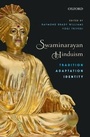
Swaminarayan Hinduism
Tradition, Adaptation, and Identity
Will be published approx. in December 2016
Book
Hardback
423 pages
978-0-19-946374-9 (ISBN)
Description
Swaminarayan Hinduism is rooted in its formation in India at the cusp of the early modern and colonial period. This book explores the new discoveries, recent research and interpretation of the history, doctrine, devotional arts, and transnational developments provide a foundation for a more comprehensive understanding of contemporary Swaminarayan growth, belief and practice. The themes that trace through the analyses are tradition and adaptation in the historical and social process of creating a complex new religious identity in response to social, economic and political changes. The book contains current academic research from several disciplinesincluding history, theology, the arts, architecture, sociology, and migration studiesto analyze how the stories, texts, and arts shape and reveal the thought, devotion, conduct, and socio-religious community that guide Swaminarayan Hindus through major transitions across time and space in several contexts. Swaminarayan is one of the rapidly expanding transnational Hindu movements with followers and institutions throughout India and abroad, especially in the United States, Britain, East Africa and Australasia.
Reviews / Votes
The book contains material of diverse kinds concerning the Swaminarayan movement. * Jeanna Openshaw, Expository Times *More details
Other editions
Additional editions
E-Book
05/2016
1st Edition
OUP
€77.88
Available for download
Persons
Raymond Brady Williams is LaFollette Distinguished Professor in the Humanities emeritus at Wabash College where he served as Chair of the Department of Philosophy and Religion and as Founding Director of the Wabash Center for Teaching and Learning in Theology and Religion.
Yogi Trivedi is Adjunct Professor in the Graduate School of Journalism and a doctoral student in the Department of Religion at Columbia University. His doctoral project focuses on the textual and performative study of North Indian devotional traditions in eighteenth and nineteenth century Gujarat, specifically the Swaminarayan Sampraday.
Yogi Trivedi is Adjunct Professor in the Graduate School of Journalism and a doctoral student in the Department of Religion at Columbia University. His doctoral project focuses on the textual and performative study of North Indian devotional traditions in eighteenth and nineteenth century Gujarat, specifically the Swaminarayan Sampraday.
Content
List of Tables; List of Figures; Acknowledgements; Note on Transliteration; Introduction; Section I HISTORY; Introduction: Raymond Brady Williams; 1: Chapter 1 Situating the Swaminarayan Tradition in the Historiography of Modern Hindu Reform Brian Hatcher; 2: Chapter 2 Sahajanand Swamis Language and Communication Makrand Mehta; 3: Chapter 3 The Gujarati Socio-religious Context of Swaminarayan Devotion and Doctrine Francoise Mallison; 4: Chapter 4 Swaminarayan
and British Contacts in Gujarat in the 1820s Sadhu Paramtattvadas and Raymond Brady Williams with Appendix on Historical Dating by Sadhu Amrutvijayadas; 5: Chapter 5 Swaminarayan Ideology and the Kolis
of Gujarat Vibhuti Parikh; 6: Chapter 6 Sahajanand Swamis Approach to Caste Sadhu Mangalnidhidas; Section II THEOLOGY AND LITERATURE; Introduction: Yogi Trivedi; 7: Chapter 7 The Swaminarayan Commentarial Tradition Arun Brahmabatt; 8: Chapter 8 Akshara and Its Four Forms in Swaminarayans Doctrine Smit Gadhia; 9: Chapter 9 Swaminarayan Brahmajnana as Aksharabrahma-Parabrahma Darshanam Sadhu Bhadreshdas, Translated by Sadhu Aksharananddas; 10: Chapter 10 Krishna-bhakti in Premanands Poetry Yogi
Trivedi; 11: Chapter 11 Brahmanand and His Innovations in the Barahmasa Genre Dalpat Rajpurohit; Section III THE ARTS AND ARCHITECTURE; Introduction: Yogi Trivedi; 12: Chapter 12 Early Swaminarayan
Iconography and Its Relationship to Vaishnavism Cynthia Packert; 13: Chapter 13 Swaminarayan Temple Building: Tradition and Innovation Rabendra J. Vasavada; 14: Chapter 14 The Nagara Tradition of Temple Architecture and Truth to Shastra Adam Hardy; Section IV TRANSNATIONAL MOVEMENTS; Introduction: Raymond Brady Williams; 15: Chapter 15 Swaminarayan Hindus in Uganda Paddy Musana; 16: Chapter 16 Transnational Growth of BAPS in East Africa Sadhu Vivekjivandas with Mahendrabhai Patel and Sadhu
Ishwarcharandas; 17: Chapter 17 Terrorism and Interfaith Relations at Swaminarayan Akshardham in Gandhinagar Sadhu Brahmaviharidas; 18: Chapter 18 Interfaith Bridge Building in California Kalpesh Bhatt; 1:
Chapter 19 Thinking Through Akshardham and the Making of the Swaminarayan Self Hanna Kim; 1: Chapter 20 Swaminarayan (BAPS) Identity Formation in Virtual Transnationalism Andrew Kunze; Notes on Editors and Contributors; Index
and British Contacts in Gujarat in the 1820s Sadhu Paramtattvadas and Raymond Brady Williams with Appendix on Historical Dating by Sadhu Amrutvijayadas; 5: Chapter 5 Swaminarayan Ideology and the Kolis
of Gujarat Vibhuti Parikh; 6: Chapter 6 Sahajanand Swamis Approach to Caste Sadhu Mangalnidhidas; Section II THEOLOGY AND LITERATURE; Introduction: Yogi Trivedi; 7: Chapter 7 The Swaminarayan Commentarial Tradition Arun Brahmabatt; 8: Chapter 8 Akshara and Its Four Forms in Swaminarayans Doctrine Smit Gadhia; 9: Chapter 9 Swaminarayan Brahmajnana as Aksharabrahma-Parabrahma Darshanam Sadhu Bhadreshdas, Translated by Sadhu Aksharananddas; 10: Chapter 10 Krishna-bhakti in Premanands Poetry Yogi
Trivedi; 11: Chapter 11 Brahmanand and His Innovations in the Barahmasa Genre Dalpat Rajpurohit; Section III THE ARTS AND ARCHITECTURE; Introduction: Yogi Trivedi; 12: Chapter 12 Early Swaminarayan
Iconography and Its Relationship to Vaishnavism Cynthia Packert; 13: Chapter 13 Swaminarayan Temple Building: Tradition and Innovation Rabendra J. Vasavada; 14: Chapter 14 The Nagara Tradition of Temple Architecture and Truth to Shastra Adam Hardy; Section IV TRANSNATIONAL MOVEMENTS; Introduction: Raymond Brady Williams; 15: Chapter 15 Swaminarayan Hindus in Uganda Paddy Musana; 16: Chapter 16 Transnational Growth of BAPS in East Africa Sadhu Vivekjivandas with Mahendrabhai Patel and Sadhu
Ishwarcharandas; 17: Chapter 17 Terrorism and Interfaith Relations at Swaminarayan Akshardham in Gandhinagar Sadhu Brahmaviharidas; 18: Chapter 18 Interfaith Bridge Building in California Kalpesh Bhatt; 1:
Chapter 19 Thinking Through Akshardham and the Making of the Swaminarayan Self Hanna Kim; 1: Chapter 20 Swaminarayan (BAPS) Identity Formation in Virtual Transnationalism Andrew Kunze; Notes on Editors and Contributors; Index