

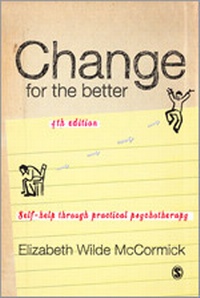
Change for the Better
Self-Help through Practical Psychotherapy
4th Edition
Published on 23. April 2012
Book
Paperback/Softback
344 pages
978-1-4462-0815-1 (ISBN)
Description
Change for the Better is for anyone interested in making lasting changes in both their inner and outer lives. It uses a conversational style to help readers identify their own learned patterns of thinking and relating that underlie and contribute to emotional suffering such depression, anxiety, phobia, eating disorders, relationship and psychosomatic problems. It shows readers how to reflect upon their difficulties, identify problems in relating, and stop and revise attitudes that are out of date. Mindfulness- based experiential exercises are incorporated throughout to help nourish self awareness and change.
This bestselling book has helped many people find ways of dealing with everyday emotional difficulties, and also practitioners of psychotherapy work with their patients. It's continuing popularity has prompted this fourth edition which features up to date thinking and practice from Cognitive Analytic Psychotherapy and from mindfulness.
Elizabeth Wilde McCormick has been in practice as a psychotherapist for over thirty years. She is also a teacher, trainer and writer. She is a founder member of The Association for Cognitive Analytic Therapy at Guy's Hospital, London, and the author of a number of best-selling self-help books.
This bestselling book has helped many people find ways of dealing with everyday emotional difficulties, and also practitioners of psychotherapy work with their patients. It's continuing popularity has prompted this fourth edition which features up to date thinking and practice from Cognitive Analytic Psychotherapy and from mindfulness.
Elizabeth Wilde McCormick has been in practice as a psychotherapist for over thirty years. She is also a teacher, trainer and writer. She is a founder member of The Association for Cognitive Analytic Therapy at Guy's Hospital, London, and the author of a number of best-selling self-help books.
Reviews / Votes
'An unusual self- help book with real depth' -Sue Gerhardt, author of Why Love Matters: How Affection Shapes a Baby's Brain
'This is a good book made better. It retains the clear writing and useful exercises of earlier editions but manages to invite an even more comprehensive exploration of the self' -
Dr Anthony Ryle, pioneer of CAT at Guy's and St Thomas' hospitals
'This is a really welcome guide to modern therapy - blending traditional psychological wisdom with a practical cognitive programme that anyone can follow' - Philip Hodson, psychotherapist and broadcaster
More details
Edition
4th Revised edition
Language
English
Place of publication
London
United Kingdom
Target group
Professional and scholarly
Clients undergoing cognitive analytic therapy (CAT), clients wishing to continue their development once therapy has ended or by NHS patients on waiting lists for therapy; it can also be used as a training resource for trainee CAT therapists on basic introductory CAT, counselling and psychotherapy and mental health courses
Edition type
Revised edition
Dimensions
Height: 242 mm
Width: 170 mm
Weight
721 gr
ISBN-13
978-1-4462-0815-1 (9781446208151)
Copyright in bibliographic data and cover images is held by Nielsen Book Services Limited or by the publishers or by their respective licensors: all rights reserved.
Schweitzer Classification
Other editions
New editions
Book
08/2017
5th Edition
SAGE Publications Ltd
€82.20
Shipment within 15-20 days
Person
Elizabeth Wilde McCormick has been in practice as a psychotherapist for over thirty years in both private and NHS settings. She is also a teacher, trainer and writer. Her background is in social psychiatry, humanistic and transpersonal psychology and cognitive analytic therapy. She has had an interest for many years in the interface between psychotherapy and mindfulness and in the process of change. She is a founder member of The Association for Cognitive Analytic Therapy and the author of a number of books including Living On The Edge, Surviving Breakdown, The Pale Green Room and Your Heart and You.
Content
INTRODUCTION
About Cognitive Analytic Therapy
About Mindfulness
PART ONE: WHO ARE WE? WHAT ARE WE MADE OF? WHAT CAN CHANGE?
Change Is Possible
PART TWO: THE BUILDING BLOCKS OF WHO WE ARE: FEELINGS, EMOTIONS AND RELATIONSHIPS: WITH OURSELVES AND OTHERS
Understanding Relating: Reciprocal Relationship Procedures
Problems and Dilemmas within Relationships
PART THREE: GETTING OFF THE SYMPTOM HOOK: NAMING THE PROBLEM
Traps
Dilemmas
Snags and Self-Sabotage
PART FOUR: THE TIP OF THE EMOTIONAL ICEBERG: EMOTIONAL STATES, DEPRESSION AND SYMPTOMS
Unbearable and Unmanageable Feelings
How Unmanageable Feelings Become Symptoms
PART FIVE: THE EMOTIONAL ROLLER COASTER
The Challenge of Shifting States
Living on the Borderline
PART SIX: GATHERING INFORMATION
Examining the Impact of Our Beginnings
PART SEVEN: MAKING THE CHANGE
Writing Our Life Story
Targeting the Procedures That Create Problems and Deciding on Aims for Change
Putting a Diagram in Your Pocket
Techniques for Working through the Process of Change
PART EIGHT: CHANGING WITHIN A RELATIONSHIP
Love Is Not Enough
PART NINE: HOLDING ONTO CHANGE
Creative Ways of Practising with and Holding on to Change
PART TEN: RESOURCE DIRECTORY FOR THERAPISTS
CAT Skills
CAT Theory and Practice
CAT Research
About Cognitive Analytic Therapy
About Mindfulness
PART ONE: WHO ARE WE? WHAT ARE WE MADE OF? WHAT CAN CHANGE?
Change Is Possible
PART TWO: THE BUILDING BLOCKS OF WHO WE ARE: FEELINGS, EMOTIONS AND RELATIONSHIPS: WITH OURSELVES AND OTHERS
Understanding Relating: Reciprocal Relationship Procedures
Problems and Dilemmas within Relationships
PART THREE: GETTING OFF THE SYMPTOM HOOK: NAMING THE PROBLEM
Traps
Dilemmas
Snags and Self-Sabotage
PART FOUR: THE TIP OF THE EMOTIONAL ICEBERG: EMOTIONAL STATES, DEPRESSION AND SYMPTOMS
Unbearable and Unmanageable Feelings
How Unmanageable Feelings Become Symptoms
PART FIVE: THE EMOTIONAL ROLLER COASTER
The Challenge of Shifting States
Living on the Borderline
PART SIX: GATHERING INFORMATION
Examining the Impact of Our Beginnings
PART SEVEN: MAKING THE CHANGE
Writing Our Life Story
Targeting the Procedures That Create Problems and Deciding on Aims for Change
Putting a Diagram in Your Pocket
Techniques for Working through the Process of Change
PART EIGHT: CHANGING WITHIN A RELATIONSHIP
Love Is Not Enough
PART NINE: HOLDING ONTO CHANGE
Creative Ways of Practising with and Holding on to Change
PART TEN: RESOURCE DIRECTORY FOR THERAPISTS
CAT Skills
CAT Theory and Practice
CAT Research