

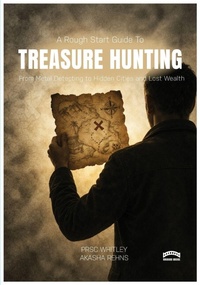
The Rough Start Guide to Treasure Hunting
Published on 25. March 2026
Book
Paperback/Softback
678 pages
978-1-918712-06-3 (ISBN)
Description
The Rough Start Guide to Treasure Hunting is a serious field manual for readers who want to understand treasure hunting as it really is, not as fantasy, folklore, or social media performance, but as a practical discipline built on research, permissions, land access, site reading, object handling, law, judgment, and patience.
This book begins with the familiar image most people have in mind, the metal detector in a field, but it does not stay there. It opens the subject properly. Treasure hunting is presented as a broad and demanding world that includes coin hunting, relic recovery, prospecting for gold and gemstones, fossil finds, underwater search, wreck related recovery, archival research, provenance, storage, market value, and the legal line between an honest find and a compromised one. It treats hidden value as part history, part fieldcraft, part business, and part discipline.
Rather than promising easy riches or repeating romantic myths, this guide explains how real searchers think. It looks at why some ground produces better results than others, how routes and crossings concentrate loss, how old maps and archives can turn guesswork into target selection, how finds should be recorded and grouped, how significance changes the way a site must be handled, and why permissions and reporting are not side issues but the foundation of the whole trade.
Inside the book you will find material on:metal detecting and everyday field recovery
permissions, land access, and legal realities
reading routes, crossings, fields, shorelines, and work sites
coins, relics, hoards, caches, and grouped finds
fossils, bones, and ancient life
gold, gemstones, and natural prospecting
rivers, wrecks, and submerged losses
maps, archives, oral history, and the deep reading of place
remote sensing, drones, sonar, lidar, and technical search tools
finds handling, provenance, storage, and cataloguing
dealers, auction houses, value, and the market after discovery
the difference between finding and taking
This is not a picture book of fantasies about buried pirate chests. It is a practical handbook for readers who want to know how hidden objects are really found, how sites are really understood, and how a searcher can move from loose curiosity to something far more competent and deliberate.
It is suitable for:beginners who want a serious introduction instead of shallow hype
metal detectorists who want to improve how they read sites and record finds
relic hunters and prospectors who want a broader framework for the trade
fossil hunters who want to see their work placed within a larger discovery economy
readers interested in archaeology, fieldcraft, landscape history, and hidden material culture
collectors who want to understand provenance, grouping, and market value better
landowners, researchers, and enthusiasts who want to know how the subject works in practice
It is especially well suited to readers who enjoy books that combine practical instruction with historical depth and who want something more intelligent than a simple beginner's guide. The tone is direct, serious, and grounded. It assumes that the reader can handle complexity and wants substance.
If you have ever wondered where treasure really comes from, how good searchers choose their ground, why some finds matter more than others, how a field turns into a site, how a site turns into evidence, or how a discovery moves from soil to storage to market, this book was written for you.
This is a guide to treasure hunting for people who want to do the subject properly.