

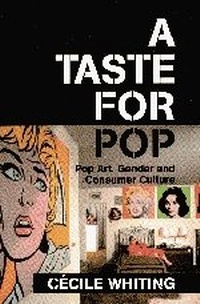
A Taste for Pop
Pop Art, Gender and Consumer Culture
Published on 28. September 1998
Book
Paperback/Softback
328 pages
978-0-521-58821-8 (ISBN)
Description
When Pop Art paintings depicted Campbell soup cans or comic-book scenes of teen romance, did they stoop to the level of their mundane sources, or did they instead transform the detritus of consumer culture into high art? In this study, Cecile Whiting declares this issue fundamentally irresolvable and instead takes the question itself, along with the varied answers it has generated, as the object of her analysis. Whiting presents case studies that focus on works by four artists - Tom Wesselmann, Roy Lichtenstein, Andy Warhol, and Marisol Escobar - who are closely associated with the Pop Art movement. Throughout her engaging analyses, Whiting unravels the gendered overtones of their cultural manoeuvrings, noting how the connotations of masculinity as attached to the seriousness of high art, and the presumed frivolity and caprice of a feminine world of consumption repositioned cultural frontiers and reformulated the relation between sexes.
Reviews / Votes
'In this colourful and important study, Cecile Whiting measures contemporary understanding against historical analysis to unravel the role of gender in the creation and reception of Pop Art ... a valuable overview of the challenges and repercussions of the Pop Art movement.' Museums and Galleries MagazineMore details
Series
Language
English
Place of publication
Cambridge
United Kingdom
Target group
College/higher education
Professional and scholarly
Product notice
Paperback (trade)
Illustrations
8 Plates, color; 71 Halftones, unspecified
Dimensions
Height: 229 mm
Width: 153 mm
Thickness: 20 mm
Weight
615 gr
ISBN-13
978-0-521-58821-8 (9780521588218)
Copyright in bibliographic data and cover images is held by Nielsen Book Services Limited or by the publishers or by their respective licensors: all rights reserved.
Schweitzer Classification
Person
Content
Introduction; 1. Shopping for Pop; 2. Wesselmann and Pop at home; 3. Lichtenstein's borrowed spots; 4. Warhol, the public star and the private self; 5. Figuring Marisol's femininities; Conclusion.