

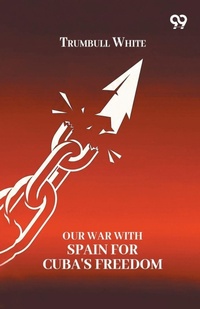
Our War With Spain For Cuba's Freedom
Published on 1. November 2025
Book
Paperback/Softback
446 pages
978-93-7483-667-5 (ISBN)
Description
Our war with Spain for Cuba's freedom is a historical account that examines the events surrounding the American intervention in the Spanish-Cuban conflict and the broader struggle for independence. The book explores the oppression faced by the Cuban people under Spanish rule and the growing call for liberty that ultimately drew the United States into the conflict. It presents the war as both a political and moral battle, reflecting on national pride, humanitarian ideals, and the cost of freedom. The opening section depicts the grim conditions in Cuba before American involvement, describing widespread suffering and unrest. It highlights the mounting tension between Spain and the United States, intensified by the explosion of the USS Maine, which became a catalyst for action. The author provides detailed accounts of the military strategies, diplomatic negotiations, and emotional fervor that defined the period. Through its reflections on sacrifice, patriotism, and justice, the work offers a vivid portrayal of a pivotal moment in history that shaped international relations and the course of American foreign policy.
More details
Person
Charles Trumbull White was an American journalist, editor, war correspondent, explorer, and author whose work reflected a lifelong fascination with world events and human experience. Born on August 12, 1868, he built a distinguished career in journalism, contributing to newspapers and magazines that shaped public understanding of both domestic and international affairs. White traveled extensively as a correspondent, covering major conflicts and social transformations of his era. His skill in blending factual reporting with vivid storytelling earned him recognition as a leading chronicler of global events. Beyond journalism, he wrote several books that documented his travels and observations, often emphasizing themes of exploration, culture, and the pursuit of truth. His writing displayed both intellectual curiosity and a commitment to presenting accurate, accessible accounts of history and human endeavor. Through his work, White provided readers with insightful perspectives on war, exploration, and the evolving modern world. He died on December 13, 1941, in Manhattan, New York, leaving behind a legacy of literary and journalistic contributions that enriched the understanding of international affairs in the early twentieth century.