


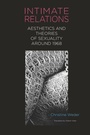
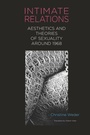
Intimate Relations
Aesthetics and Theories of Sexuality around 1968
Published on 25. June 2024
Book
Hardback
348 pages
978-1-64014-087-5 (ISBN)
Description
A fresh historical perspective on the transformative relationship between sexuality and the arts around 1968
In the late 1960s and early '70s, sexuality and the arts entered into a remarkably intimate and mutually beneficial relationship: on one hand, scientific theories of sexuality and their pop-psychological counterparts incorporated elaborate reflections on art movements and literary texts, since artistic media were understood as crucial to the project of inventing radically new modes of human living and loving. On the other hand, the aesthetic ambitions that informed new conceptions of sexuality had their mirror image in the varying forms of sexual obsession that characterized contemporary aesthetic theories. Approaches as diverse as those of Theodor W. Adorno, Roland Barthes, Susan Sontag, Leslie A. Fiedler, Peter Gorsen, and Herbert and Ludwig Marcuse all contributed to a dramatic eroticization of the arts.
Christine Weder's interdisciplinary study explores this largely neglected relationship, providing a dual insight into an era of profound transformation: she demonstrates how and why the engagement with art and literature was essential to the programmatic theories of the new Eros. At the same time, she offers a fresh historical perspective on aesthetics around 1968. Whereas aesthetic developments in the late sixties have conventionally been conceived in terms of politicization, Weder demonstrates that the sexualization of the arts was no less profound, and in doing so contributes to a fundamental reframing of this tumultuous period.
In the late 1960s and early '70s, sexuality and the arts entered into a remarkably intimate and mutually beneficial relationship: on one hand, scientific theories of sexuality and their pop-psychological counterparts incorporated elaborate reflections on art movements and literary texts, since artistic media were understood as crucial to the project of inventing radically new modes of human living and loving. On the other hand, the aesthetic ambitions that informed new conceptions of sexuality had their mirror image in the varying forms of sexual obsession that characterized contemporary aesthetic theories. Approaches as diverse as those of Theodor W. Adorno, Roland Barthes, Susan Sontag, Leslie A. Fiedler, Peter Gorsen, and Herbert and Ludwig Marcuse all contributed to a dramatic eroticization of the arts.
Christine Weder's interdisciplinary study explores this largely neglected relationship, providing a dual insight into an era of profound transformation: she demonstrates how and why the engagement with art and literature was essential to the programmatic theories of the new Eros. At the same time, she offers a fresh historical perspective on aesthetics around 1968. Whereas aesthetic developments in the late sixties have conventionally been conceived in terms of politicization, Weder demonstrates that the sexualization of the arts was no less profound, and in doing so contributes to a fundamental reframing of this tumultuous period.
More details
Series
Language
English
Place of publication
Columbia, MD
United States
Publishing group
Boydell & Brewer Ltd
Target group
Professional and scholarly
Product notice
Cloth over boards
Illustrations
14 b/w illus.
Dimensions
Height: 235 mm
Width: 157 mm
Thickness: 23 mm
Weight
655 gr
ISBN-13
978-1-64014-087-5 (9781640140875)
Copyright in bibliographic data and cover images is held by Nielsen Book Services Limited or by the publishers or by their respective licensors: all rights reserved.
Schweitzer Classification
Other editions
Additional editions
E-Book
06/2024
1st Edition
Boydell & Brewer
€48.99
Available for download
E-Book
06/2024
1st Edition
De Gruyter
€48.99
Available for download
Persons
CHRISTINE WEDER is Professor in Modern German Literature at the University of Geneva. ROBERT VILAIN is Senior Tutor and a Fellow of St Hugh's College, Oxford, UK, and Lecturer in German at Christ Church.
Content
Translator's Note
List of Abbreviations
Introduction: Stories of Ars and Eros
The Relation the Parts of This Book: Liaisons stimulantes
Part I. The Aesthetic Ambitions of Sexual Theories
Introduction to Part I
1. Literature as an Aid for Sexual Liberation: Wilhelm Reich's Art of Manipulation
2. Literature as an Attractive Reminder of a Pleasurable Future: The Orientation of the New Sexuality towards Art in the Work of Herbert Marcuse
3. Sex Front, or The Ironic Art of Enlightenment: Sexuality as Pop Art
Conclusion to Part I
Part II. Sexual Obsessions in Aesthetics
Introduction to Part II
4. Stimulating Dissolution of Boundaries: The Literary History of the Obscene and Ludwig Marcuse's Program of Writing "Without a Safety Helmet"
5. Art or Pornography? For and Against Contemporary Literature in the "Zurich Literature Controversy"
6. Exclusive vs Popularizing Dissolution of Boundaries: Pro-pornography as a Model Example of Extreme Literature (Susan Sontag) or of Mass Culture (Leslie A. Fiedler)
7. Potentiated Dialectics: The Obscene as a Formal Principle of Anti-Pornographic Art in the Work of Peter Gorsen
8. The Orgasm as a Model of Aesthetic Experience and the Masochistic Pleasure of Modern Art in the Work of Theodor W. Adorno
9. "Le plaisir en pieces; la langue en pieces": Erotic Fragments of a Theory of Textual Eroticism in the Work of Roland Barthes
Conclusion to Part II
Bibliography
Index
List of Abbreviations
Introduction: Stories of Ars and Eros
The Relation the Parts of This Book: Liaisons stimulantes
Part I. The Aesthetic Ambitions of Sexual Theories
Introduction to Part I
1. Literature as an Aid for Sexual Liberation: Wilhelm Reich's Art of Manipulation
2. Literature as an Attractive Reminder of a Pleasurable Future: The Orientation of the New Sexuality towards Art in the Work of Herbert Marcuse
3. Sex Front, or The Ironic Art of Enlightenment: Sexuality as Pop Art
Conclusion to Part I
Part II. Sexual Obsessions in Aesthetics
Introduction to Part II
4. Stimulating Dissolution of Boundaries: The Literary History of the Obscene and Ludwig Marcuse's Program of Writing "Without a Safety Helmet"
5. Art or Pornography? For and Against Contemporary Literature in the "Zurich Literature Controversy"
6. Exclusive vs Popularizing Dissolution of Boundaries: Pro-pornography as a Model Example of Extreme Literature (Susan Sontag) or of Mass Culture (Leslie A. Fiedler)
7. Potentiated Dialectics: The Obscene as a Formal Principle of Anti-Pornographic Art in the Work of Peter Gorsen
8. The Orgasm as a Model of Aesthetic Experience and the Masochistic Pleasure of Modern Art in the Work of Theodor W. Adorno
9. "Le plaisir en pieces; la langue en pieces": Erotic Fragments of a Theory of Textual Eroticism in the Work of Roland Barthes
Conclusion to Part II
Bibliography
Index