

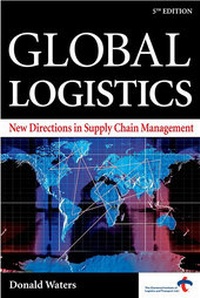
Global Logistics
New Directions in Supply Chain Management
5th Edition
Published on 3. November 2006
Book
Paperback/Softback
464 pages
978-0-7494-4813-4 (ISBN)
Description
The field of logistics is developing at a remarkable pace and its role is now integral to the long term plans of almost all businesses. Communications and IT are offering ever more opportunities; world trade is growing; new markets are developing; yet at the same time there is increasing concern for the environment. The world of logistics is constantly evolving in response to these changes.
In the same way, the fifth edition of this established book has evolved to represent the current trends, best practice and latest thinking on global logistics. It serves as a forum allowing the contributors, a range of acknowledged sector specialists, to discuss key logistics issues and give their authoritative views.
In the same way, the fifth edition of this established book has evolved to represent the current trends, best practice and latest thinking on global logistics. It serves as a forum allowing the contributors, a range of acknowledged sector specialists, to discuss key logistics issues and give their authoritative views.
Reviews / Votes
"highlights key issues including the wider integration of logistics, the growing importance of logistics strategies, improved communications and technology, and concern with risk, customer satisfaction, and global operations." book news inc "addresses key issues in global logistics and distribution planning." journal of economic literature "students, managers and professionals will find this book an essential tool." supply managementMore details
Edition
5th Revised edition
Language
English
Place of publication
London
United Kingdom
Target group
Professional and scholarly
Edition type
Revised edition
Product notice
Paperback (trade)
Dimensions
Height: 1 mm
Width: 1 mm
Thickness: 1 mm
Weight
1 gr
ISBN-13
978-0-7494-4813-4 (9780749448134)
Copyright in bibliographic data and cover images is held by Nielsen Book Services Limited or by the publishers or by their respective licensors: all rights reserved.
Schweitzer Classification
Other editions
New editions
Book
06/2010
6th Edition
Kogan Page Ltd
€69.46
Article exhausted; check for reprint
Persons
Donald Waters has over 30 years' experience of teaching and working in logistics and operations management. He is a member of the CILT, a visiting professor at universities including University of Calgary, Warsaw School of Economics, Czech Management Centre, University of Quebec at Montreal, University of Sheffield, Henley Management College and Edinburgh Business School and author of several well-known logistics books.
Content
1 trends in the supply chain donald waters definitions; development of logistics; logistics strategy; improved communications and e-business; globalization; satisfying more demanding customers; responding to changes in the business environment; conclusions; references 2 new directions in logistics martin christopher the emergence of the value-conscious customer; logistics and supply chain management; procurement; manufacturing; distribution; the new competitive framework: the four rs; the organizational challenge; summary; references 3 formulating logistics strategy nathalie fabbe-costes and jacques colin why formulate logistics strategies?; a conceptual approach to formulating logistics strategy; illustrated typology of possible logistics strategies; strategic action itineraries in logistics; summary; references 4 agile supply chain operating environments - avoiding implementation pitfalls remko van hoek summary; introduction; operating circumstances requiring agility; the categorization for operating environments; mitigating the minefield of pitfalls; conclusion and reflections; references 5 time compression in the supply chain adrian beesley time compression; time compression and competition; what is time compression?; the time compression approach - competitive advantage; the time compression approach - cost advantage; the time compression approach - quality advantage; the time compression approach - technology advantage; the time compression approach - customer focus; benefits of time compression; examples of the application of time compression; time compression of a global supply chain; conclusion; references 6 strategic supply chain management: the power of incentives glyn watson, chris lonsdale, andrew cox and joe sanderson incentivization and the process of exchange; incentivization and the outsourcing dilemma; incentivization and supplier management; conclusion; references 7 the development of supply chain relationships: a multi-lens approach peter hines and donna samuel introduction; a review of the existing literature; methodology; instrumental case: the perfect pineapple supply chain programme; explanation and discussion; conclusion; references 8 demand flow leadership and the evolution of management concepts dag ericsson visions and tools; the evolution of management concepts; the evolution of a new business model; a conceptual model for the implementation of the dcm concept; case in demand flow leadership - the electrolux way; conclusion; references 9 using services marketing strategies for logistics customer service david grant introduction; logistics customer service today; elements of logistics customer service; strategies for logistics customer service; summary; references
1 Trends in the supply chain
Donald Waters
Definitions; Development of logistics; Logistics strategy; Improved communications and e-business; Globalization; Satisfying more demanding customers; Responding to changes in the business environment; Conclusions; References
2 New directions in logistics
Martin Christopher
The emergence of the value-conscious customer; Logistics and supply chain management; Procurement; Manufacturing; Distribution; The new competitive framework: the four Rs; The organizational challenge; Summary; References
3 Formulating logistics strategy
Nathalie Fabbe-Costes and Jacques Colin
Why formulate logistics strategies?; A conceptual approach to formulating logistics strategy; Illustrated typology of possible logistics strategies; Strategic action itineraries in logistics; Summary; References
4 Agile supply chain operating environments - avoiding implementation pitfalls
Remko van Hoek
Summary; Introduction; Operating circumstances requiring agility; The categorization for operating environments; Mitigating the minefield of pitfalls; Conclusion and reflections; References
5 Time compression in the supply chain
Adrian Beesley
Time compression; Time compression and competition; What is time compression?; The time compression approach - competitive advantage; The time compression approach - cost advantage; The time compression approach - quality advantage; The time compression approach - technology advantage; The time compression approach - customer focus; Benefits of time compression; Examples of the application of time compression; Time compression of a global supply chain; Conclusion; References
6 Strategic supply chain management: the power of incentives
Glyn Watson, Chris Lonsdale, Andrew Cox and Joe Sanderson
Incentivization and the process of exchange; Incentivization and the outsourcing dilemma; Incentivization and supplier management; Conclusion; References
7 The development of supply chain relationships: a multi-lens approach
Peter Hines and Donna Samuel
Introduction; A review of the existing literature; Methodology; Instrumental case: the Perfect Pineapple Supply Chain Programme; Explanation and discussion; Conclusion; References
8 Demand flow leadership and the evolution of management concepts
Dag Ericsson
Visions and tools; The evolution of management concepts; The evolution of a new business model; A conceptual model for the implementation of the DCM concept; Case in demand flow leadership - the Electrolux Way; Conclusion; References
9 Using services marketing strategies for logistics customer service
David Grant
Introduction; Logistics customer service today; Elements of logistics customer service; Strategies for logistics customer service; Summary; References
10 Supply chain management: the challenge of systems
Philip Schary
The setting; Networks; Complex adaptive systems; Conclusion; References
11 Information systems and information technologies for supply chain management
Xinping Shi and Simon Chan
Introduction; Functionality of IS/IT in SCM; Strategic issues of IS/IT in SCM; IS/IT adoption for SCM; IS/IT utilization in SCM; Summary; References
12 Outsourcing: the result of global supply chains?
Stephen Rinsler
Background; Definition; Reasons for outsourcing; How different is the public sector from the private sector with regard to outsourcing?; The pitfalls in outsourcing; Global supply chains and the outsourcing risks; Summary
13 Risk in the supply chain
Lars Stemmler
Introduction; Risk management and the supply chain - a new perception!; Objective and process of risk management; From an enterprise perspective to the supply chain perspective; Risk assessment and control along the supply chain; Implementation in practice; Conclusions; References
14 Supply chain vulnerability, risk and resilience
Helen Peck
Introduction; Supply chain vulnerability: an idea whose time had come; Supply chain risk management: a recipe for confusion; Risk: the great divide; Supply chain resilience: a holistic view; Supply chains and wicked problems; References
15 Delivering sustainability through supply chain management
Kirstie McIntyre
Background; Purchasing or procurement; Production or manufacturing; Distribution and warehousing; Use and maintenance; Dispose or reuse and recycle?; Managerial and financial sustainability; Conclusion; References
16 Performance measurement and management in the supply chain
Alan Braithwaite
Introduction; Keeping score - a basic management principle; The balanced scorecard - the standard for goal setting and measurement; Fundamental concepts of supply chain management and measurement; Mastering the complexity of supply chain and logistics performance management; The principle of input and output measures; Setting goals across the chain through service level agreements; The delivery, recovery and stewardship model; Defining specific metrics across the chain; Future directions in performance measurement; Conclusion; References
17 Road transport optimization
Alan McKinnon
Assessing the utilization of vehicle fleets; Factors constraining vehicle utilization; Measures to improve vehicle utilization; Conclusion; References
18 Retail logistics
John Fernie
The evolution of the logistics concept; Logistics and competitive strategy in retailing; Differences in logistics 'culture' in international markets; The internationalization of logistics practices; The future; References
19 Internet traders can increase profitability by reshaping their supply chains
Robert Duncan
Internet trading is forecast to account for a quarter of all purchases in 26; Customer satisfaction is less than satisfactory; Integration of business processes has not always received enough attention; Moving away from traditional supply chains adds complexity but provides an opportunity for profit; How can internet traders take advantage of opportunities?; Opportunity waiting to be exploited; References
20 Global sourcing and supply
Alan Braithwaite
Background; Growth in global trade; References
21 The changing supply of logistics services - a UK perspective
Colin Bamford
UK market trends; Market structure - continuing consolidation and globalization; The EU25 - new market opportunities and threats; Transport policy issues; Conclusions; References
22 Developments in Western European logistics strategies
Michael Browne, Julian Allen and Allan Woodburn
Introduction; Changes in the demand for logistics services; Market structure of logistics service providers; Transportation in Europe; Policy measures affecting logistics and transport in Europe; Opportunities and pressures for logistics providers in a new Europe; Concluding remarks; References
23 Logistics strategies for Central and Eastern Europe
Grzegorz Augustyniak
Introduction; Conditions of economic development of CEE countries before 1990; Development of logistics in the period of transition and after joining the EU; Logistics strategies in CEE countries; Conclusions; References
24 Logistics in China
James Wang
Introduction; Major areas of improvement; Challenges to developing modern logistics; Concluding remarks; References
25 Logistics in North America
Garland Chow and Trevor Heaver
Introduction; Special features of North America for logistics; Trends, opportunities and challenges for logistics in North America; Supply chain integration through collaboration, strategic alliances and partnerships; Evolving supply chain process design - from push to pull; Growing challenges to the logistics system; Concluding comments; References
Donald Waters
Definitions; Development of logistics; Logistics strategy; Improved communications and e-business; Globalization; Satisfying more demanding customers; Responding to changes in the business environment; Conclusions; References
2 New directions in logistics
Martin Christopher
The emergence of the value-conscious customer; Logistics and supply chain management; Procurement; Manufacturing; Distribution; The new competitive framework: the four Rs; The organizational challenge; Summary; References
3 Formulating logistics strategy
Nathalie Fabbe-Costes and Jacques Colin
Why formulate logistics strategies?; A conceptual approach to formulating logistics strategy; Illustrated typology of possible logistics strategies; Strategic action itineraries in logistics; Summary; References
4 Agile supply chain operating environments - avoiding implementation pitfalls
Remko van Hoek
Summary; Introduction; Operating circumstances requiring agility; The categorization for operating environments; Mitigating the minefield of pitfalls; Conclusion and reflections; References
5 Time compression in the supply chain
Adrian Beesley
Time compression; Time compression and competition; What is time compression?; The time compression approach - competitive advantage; The time compression approach - cost advantage; The time compression approach - quality advantage; The time compression approach - technology advantage; The time compression approach - customer focus; Benefits of time compression; Examples of the application of time compression; Time compression of a global supply chain; Conclusion; References
6 Strategic supply chain management: the power of incentives
Glyn Watson, Chris Lonsdale, Andrew Cox and Joe Sanderson
Incentivization and the process of exchange; Incentivization and the outsourcing dilemma; Incentivization and supplier management; Conclusion; References
7 The development of supply chain relationships: a multi-lens approach
Peter Hines and Donna Samuel
Introduction; A review of the existing literature; Methodology; Instrumental case: the Perfect Pineapple Supply Chain Programme; Explanation and discussion; Conclusion; References
8 Demand flow leadership and the evolution of management concepts
Dag Ericsson
Visions and tools; The evolution of management concepts; The evolution of a new business model; A conceptual model for the implementation of the DCM concept; Case in demand flow leadership - the Electrolux Way; Conclusion; References
9 Using services marketing strategies for logistics customer service
David Grant
Introduction; Logistics customer service today; Elements of logistics customer service; Strategies for logistics customer service; Summary; References
10 Supply chain management: the challenge of systems
Philip Schary
The setting; Networks; Complex adaptive systems; Conclusion; References
11 Information systems and information technologies for supply chain management
Xinping Shi and Simon Chan
Introduction; Functionality of IS/IT in SCM; Strategic issues of IS/IT in SCM; IS/IT adoption for SCM; IS/IT utilization in SCM; Summary; References
12 Outsourcing: the result of global supply chains?
Stephen Rinsler
Background; Definition; Reasons for outsourcing; How different is the public sector from the private sector with regard to outsourcing?; The pitfalls in outsourcing; Global supply chains and the outsourcing risks; Summary
13 Risk in the supply chain
Lars Stemmler
Introduction; Risk management and the supply chain - a new perception!; Objective and process of risk management; From an enterprise perspective to the supply chain perspective; Risk assessment and control along the supply chain; Implementation in practice; Conclusions; References
14 Supply chain vulnerability, risk and resilience
Helen Peck
Introduction; Supply chain vulnerability: an idea whose time had come; Supply chain risk management: a recipe for confusion; Risk: the great divide; Supply chain resilience: a holistic view; Supply chains and wicked problems; References
15 Delivering sustainability through supply chain management
Kirstie McIntyre
Background; Purchasing or procurement; Production or manufacturing; Distribution and warehousing; Use and maintenance; Dispose or reuse and recycle?; Managerial and financial sustainability; Conclusion; References
16 Performance measurement and management in the supply chain
Alan Braithwaite
Introduction; Keeping score - a basic management principle; The balanced scorecard - the standard for goal setting and measurement; Fundamental concepts of supply chain management and measurement; Mastering the complexity of supply chain and logistics performance management; The principle of input and output measures; Setting goals across the chain through service level agreements; The delivery, recovery and stewardship model; Defining specific metrics across the chain; Future directions in performance measurement; Conclusion; References
17 Road transport optimization
Alan McKinnon
Assessing the utilization of vehicle fleets; Factors constraining vehicle utilization; Measures to improve vehicle utilization; Conclusion; References
18 Retail logistics
John Fernie
The evolution of the logistics concept; Logistics and competitive strategy in retailing; Differences in logistics 'culture' in international markets; The internationalization of logistics practices; The future; References
19 Internet traders can increase profitability by reshaping their supply chains
Robert Duncan
Internet trading is forecast to account for a quarter of all purchases in 26; Customer satisfaction is less than satisfactory; Integration of business processes has not always received enough attention; Moving away from traditional supply chains adds complexity but provides an opportunity for profit; How can internet traders take advantage of opportunities?; Opportunity waiting to be exploited; References
20 Global sourcing and supply
Alan Braithwaite
Background; Growth in global trade; References
21 The changing supply of logistics services - a UK perspective
Colin Bamford
UK market trends; Market structure - continuing consolidation and globalization; The EU25 - new market opportunities and threats; Transport policy issues; Conclusions; References
22 Developments in Western European logistics strategies
Michael Browne, Julian Allen and Allan Woodburn
Introduction; Changes in the demand for logistics services; Market structure of logistics service providers; Transportation in Europe; Policy measures affecting logistics and transport in Europe; Opportunities and pressures for logistics providers in a new Europe; Concluding remarks; References
23 Logistics strategies for Central and Eastern Europe
Grzegorz Augustyniak
Introduction; Conditions of economic development of CEE countries before 1990; Development of logistics in the period of transition and after joining the EU; Logistics strategies in CEE countries; Conclusions; References
24 Logistics in China
James Wang
Introduction; Major areas of improvement; Challenges to developing modern logistics; Concluding remarks; References
25 Logistics in North America
Garland Chow and Trevor Heaver
Introduction; Special features of North America for logistics; Trends, opportunities and challenges for logistics in North America; Supply chain integration through collaboration, strategic alliances and partnerships; Evolving supply chain process design - from push to pull; Growing challenges to the logistics system; Concluding comments; References