

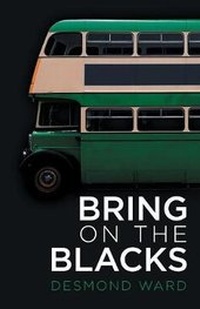
Bring on the Blacks
Published on 10. April 2017
Book
Paperback/Softback
240 pages
978-1-78132-593-3 (ISBN)
Description
In 1963 the Bristol Omnibus Company is operating a colour bar and refusing to hire any black or Asian drivers or conductors. Black people organise a boycott of the buses and many white people try to help them. Bristol University students organise marches and speeches in support, but the campaign soon becomes bitter, with people of colour facing aggression and insults.Dabber, a young white conductor, gives what support he can. His girlfriend, Melody, joins Bristol women as they continue the long struggle to achieve equality. But bus crews have their own problems to deal with as the stresses of the job take their toll. Will the bus company ever bring on the blacks?
More details
Language
English
Place of publication
Bristol
United Kingdom
Illustrations
Illustrations, black and white
Dimensions
Height: 216 mm
Width: 140 mm
ISBN-13
978-1-78132-593-3 (9781781325933)
Copyright in bibliographic data and cover images is held by Nielsen Book Services Limited or by the publishers or by their respective licensors: all rights reserved.
Schweitzer Classification
Person
After leaving school at 15, Desmond Ward moved around the country doing short-term jobs in various cities. At the age of 18 he joined the Devon General bus company as a conductor working the Torquay, Paignton, Brixham, Newton Abbott and Plymouth routes.Two years later he left Devon and joined the Bristol Omnibus Company as a conductor, working on city routes. In 1962 Des qualified as a driver and spent a number of years up in the cab. This was during the period of the colour bar, when the bus company was refusing to hire black or Asian workers, and the subsequent black boycott of the buses. Des saw the gradual disappearance of open-back buses, the introduction of front-entrance buses, the first black and Asian crews, and the first one-man operated services.He later worked for the Ribble bus company in the North West, and Western Scottish, running from Carlisle up to Glasgow.After leaving the buses, Des spent ten years working on various RAF stations supplying spare parts to front line aircraft. He then moved to Whitehaven to work with mentally and physically disabled youngsters, before returning to Bristol and spending fifteen years working with troubled teenagers.Des ended his working life as part of the Visitor Services Team at Bristol Museum and Art Gallery. He has been married for forty-five years and has two children and three grandchildren.