

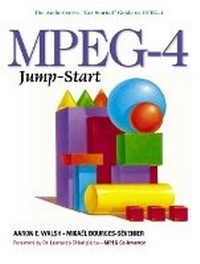
MPEG-4 Jump-Start
Published on 3. January 2002
Book
Paperback/Softback
496 pages
978-0-13-060036-3 (ISBN)
Description
MPEG-4 will transform Internet-based multimedia by delivering breakthrough video and audio quality, flexibility, and control. Now, there's a complete guide to MPEG-4 for everyone who wants to take advantage of it, from Internet media programmers to senior decision-makers. In MPEG-4 Jump-Start, two leaders of the Internet multimedia community introduce every aspect of the MPEG-4 standard: its fundamental concepts, capabilities, applications, requirements, limitations, and more. Walk through everything you need to know to start working with MPEG-4 today, from installing players and finding content, to creating and distributing your own content. Understand the underlying technical capabilities of MPEG-4 from a programmer's perspective, and learn why it represents a breakthrough solution for any networked environment -- Web, satellite, or even wireless.
More details
Language
English
Place of publication
Upper Saddle River
United States
Publishing group
Pearson Education (US)
Target group
College/higher education
Dimensions
Height: 233 mm
Width: 177 mm
Thickness: 30 mm
Weight
926 gr
ISBN-13
978-0-13-060036-3 (9780130600363)
Copyright in bibliographic data and cover images is held by Nielsen Book Services Limited or by the publishers or by their respective licensors: all rights reserved.
Schweitzer Classification
Persons
AARON E. WALSH is Chairman of Mantis Development Corporation, a development firm specializing in advanced multimedia and network technologies. He is Chairman of the Web3D Consortium's Universal Media technical working group, Chairman of the Web3D-MPEG group responsible for the convergence of Web3D and MPEG technology, Co-Chair of the Web3D Intellectual Property Rights group, and Web3D Liaison to MPEG and the World Wide Web Consortium (W3C). Walsh is author of the best-selling Core Web3D, XHTML Example by Example, and Java 3D API Jump-Start.
MIKAEL BOURGES-SEVENIER is Senior Software Engineer for iVAST Inc., a development firm specializing in advanced multimedia technologies. With expertise in 2D, 3D, and multimedia technologies, he is actively involved in several areas of MPEG-4 development. In addition to serving as Co-Chairman of the MPEG-4 Animation Framework Extension (AFX) animation group, Bourges-Sevenier is responsible for the animation system for the MPEG-4 Reference Software Group.
MIKAEL BOURGES-SEVENIER is Senior Software Engineer for iVAST Inc., a development firm specializing in advanced multimedia technologies. With expertise in 2D, 3D, and multimedia technologies, he is actively involved in several areas of MPEG-4 development. In addition to serving as Co-Chairman of the MPEG-4 Animation Framework Extension (AFX) animation group, Bourges-Sevenier is responsible for the animation system for the MPEG-4 Reference Software Group.
Content
Foreword.
Preface.
1. Introduction to MPEG-4.
The MPEG Brain and Its Artifacts. MPEG and Memes. The MPEG Brain. MPEG Standards. MPEG-4 in a Nutshell. MPEG-4 Design Goals and Principles. Navigating MPEG-4. MPEG-4 and Other Multimedia Standards. Architecture and Tools. End-to-End Architecture. MPEG-4 Browser Architecture and Tools. Applications. Next Generation of Portals. Interactive Broadcast. Multimedia Conferencing and Communities. Conclusion. References.
2. Virtual Reality Modeling Language (VRML) Overview.
Introduction to VRML97. How MPEG-4 BIFS Extends VRML. Major Features and Related Jargon. VRML Browsers. VRML Plug-Ins. Objects, Scenes, and Worlds. VRML Files. Scene Graphs. Nodes. Fields. Events. eventIn and eventOut Fields. Shapes, Geometry, and Appearance. Primitive Objects. Complex Objects. Text Objects. Coordinate Systems. Moving, Scaling, and Rotating. Summary.
3. D/3D Scene Composition.
Binary Format for Scenes (BIFS). Fundamental Differences with VRML97. A Note on Coordinate Systems. New Scene Features and New Nodes. Geometry Nodes. Interpolator Nodes. Grouping Nodes. Material Nodes. Sensor Nodes. Audio Nodes. Face and Body Animation Nodes. Stream Synchronization and Control Nodes. Other Nodes. Summary.
4. BIFS-Updates.
Overview of the Binary Format for Scenes (BIFS). BIFS-Update Decoding Process. Overview of the SDL Language. Structures Used by the Decoder. Configuring the Decoder. Decoding Commands. Examples. Writing BIFS-Update Codecs: Considerations. Summary. References.
5. Quantization in BIFS-Updates.
Why We Need Quantization. A Crash Course on Quantization. Fourteen BIFS Quantizers. Local and Global QuantizationParameter Nodes. Quantizers 1 to 8. Quantizing Normals and Rotations (9, 10). Quantizing Object Size (11, 12). Linear Scalar Quantizers (13, 14). Efficient Float Coding. Using Quantization in BIFS. Example: Using QuantizationParameter Node. Summary. References.
6. Animating Scenes in MPEG-4.
Synthetic Animations in MPEG-4. The BIFS-Anim Protocol. Encoding BIFS-Anim. Decoding the BIFS-Anim Mask. Decoding the BIFS-Anim Frames. Interpolators Encoded by PredictiveMFFields. PredictiveMFFields and BIFS Scenes. PredictiveMFFields Decoding. Summary.
7. D Mesh Animation.
2D Mesh Animation Tools in MPEG-4. Tools. Profiles. 2D Mesh Generation and Coding. Mesh Generation. Mesh Coding. Summary. References.
8. MPEG-4 Face and Body Animation Tools and Applications.
Face Definition Parameters (FDPs). Face Animation Parameters (FAPs). FAP Interpolation. FDP Information vs the FDP Node. FAP Estimation from Video. FBA File Formats. Connecting the Head to an Animated Body. FAP/ BAP Quantization. Applications. Streaming. Implications of FAP Normalization. Real Faces vs Animated Characters. Authoring Considerations. Real Time. FBA Visual Bitstream Syntax. FBA Object. FBA Object Plane. FBA Temporal Header. Decode Frame Rate and Skip Frames. Decode New Minmax. Decode ifap. Decode pfap. Decode Viseme and Expression. FBA Systems BIFS Nodes. Text To Speech (TTS) Node. Face Model Predictability Hierarchy. Summary. References.
9. MPEG-4 Human Virtual Body Animation.
Body Modeling and Animation. Body System BIFS Nodes. Body Node. BAP Node. BDP Node. BodySceneGraph Node. BodyDefTables Node. Body Bitstream Syntax. Summary. References.
10. 3D Mesh Coding.
Functionalities of 3DMC. Introduction to IndexedFaceSet. 3D Mesh Coding. Topological Analysis-Topological Surgery. Connectivity Coding. Geometry and Properties Coding. Entropy Coding. Bitstream Syntax. 3D Mesh Object. Stitching Mode. Error Resilience Mode. Progressive Transmission Mode. Performance Demonstrations. Compression. Incremental Rendering. Error Resilience. Summary. References.
11. Extensible MPEG-4 Textual Format (XMT).
Cross-Standard Interoperability. XMT Two-Tier Architecture. XMT-?Format. Reusing SMIL in XMT-?. Extensible Media (xMedia) Objects. Animation. Timing. Spatial Layout. XMT-?Examples. XMT-A Format. Document Structure. Timing. Scene Description. Object Descriptor Framework. Deterministic Mapping. Interoperability with X3D. Summary. References.
12. What's Next?
Summary.
APPENDIX A: Arithmetic Coding.
APPENDIX B: BIFS Node Coding Tables.
APPENDIX C: MPEG-4 Profiles and Levels.
Systems Profiles. Facial and Body Animation Profiles.
Index.
Preface.
1. Introduction to MPEG-4.
The MPEG Brain and Its Artifacts. MPEG and Memes. The MPEG Brain. MPEG Standards. MPEG-4 in a Nutshell. MPEG-4 Design Goals and Principles. Navigating MPEG-4. MPEG-4 and Other Multimedia Standards. Architecture and Tools. End-to-End Architecture. MPEG-4 Browser Architecture and Tools. Applications. Next Generation of Portals. Interactive Broadcast. Multimedia Conferencing and Communities. Conclusion. References.
2. Virtual Reality Modeling Language (VRML) Overview.
Introduction to VRML97. How MPEG-4 BIFS Extends VRML. Major Features and Related Jargon. VRML Browsers. VRML Plug-Ins. Objects, Scenes, and Worlds. VRML Files. Scene Graphs. Nodes. Fields. Events. eventIn and eventOut Fields. Shapes, Geometry, and Appearance. Primitive Objects. Complex Objects. Text Objects. Coordinate Systems. Moving, Scaling, and Rotating. Summary.
3. D/3D Scene Composition.
Binary Format for Scenes (BIFS). Fundamental Differences with VRML97. A Note on Coordinate Systems. New Scene Features and New Nodes. Geometry Nodes. Interpolator Nodes. Grouping Nodes. Material Nodes. Sensor Nodes. Audio Nodes. Face and Body Animation Nodes. Stream Synchronization and Control Nodes. Other Nodes. Summary.
4. BIFS-Updates.
Overview of the Binary Format for Scenes (BIFS). BIFS-Update Decoding Process. Overview of the SDL Language. Structures Used by the Decoder. Configuring the Decoder. Decoding Commands. Examples. Writing BIFS-Update Codecs: Considerations. Summary. References.
5. Quantization in BIFS-Updates.
Why We Need Quantization. A Crash Course on Quantization. Fourteen BIFS Quantizers. Local and Global QuantizationParameter Nodes. Quantizers 1 to 8. Quantizing Normals and Rotations (9, 10). Quantizing Object Size (11, 12). Linear Scalar Quantizers (13, 14). Efficient Float Coding. Using Quantization in BIFS. Example: Using QuantizationParameter Node. Summary. References.
6. Animating Scenes in MPEG-4.
Synthetic Animations in MPEG-4. The BIFS-Anim Protocol. Encoding BIFS-Anim. Decoding the BIFS-Anim Mask. Decoding the BIFS-Anim Frames. Interpolators Encoded by PredictiveMFFields. PredictiveMFFields and BIFS Scenes. PredictiveMFFields Decoding. Summary.
7. D Mesh Animation.
2D Mesh Animation Tools in MPEG-4. Tools. Profiles. 2D Mesh Generation and Coding. Mesh Generation. Mesh Coding. Summary. References.
8. MPEG-4 Face and Body Animation Tools and Applications.
Face Definition Parameters (FDPs). Face Animation Parameters (FAPs). FAP Interpolation. FDP Information vs the FDP Node. FAP Estimation from Video. FBA File Formats. Connecting the Head to an Animated Body. FAP/ BAP Quantization. Applications. Streaming. Implications of FAP Normalization. Real Faces vs Animated Characters. Authoring Considerations. Real Time. FBA Visual Bitstream Syntax. FBA Object. FBA Object Plane. FBA Temporal Header. Decode Frame Rate and Skip Frames. Decode New Minmax. Decode ifap. Decode pfap. Decode Viseme and Expression. FBA Systems BIFS Nodes. Text To Speech (TTS) Node. Face Model Predictability Hierarchy. Summary. References.
9. MPEG-4 Human Virtual Body Animation.
Body Modeling and Animation. Body System BIFS Nodes. Body Node. BAP Node. BDP Node. BodySceneGraph Node. BodyDefTables Node. Body Bitstream Syntax. Summary. References.
10. 3D Mesh Coding.
Functionalities of 3DMC. Introduction to IndexedFaceSet. 3D Mesh Coding. Topological Analysis-Topological Surgery. Connectivity Coding. Geometry and Properties Coding. Entropy Coding. Bitstream Syntax. 3D Mesh Object. Stitching Mode. Error Resilience Mode. Progressive Transmission Mode. Performance Demonstrations. Compression. Incremental Rendering. Error Resilience. Summary. References.
11. Extensible MPEG-4 Textual Format (XMT).
Cross-Standard Interoperability. XMT Two-Tier Architecture. XMT-?Format. Reusing SMIL in XMT-?. Extensible Media (xMedia) Objects. Animation. Timing. Spatial Layout. XMT-?Examples. XMT-A Format. Document Structure. Timing. Scene Description. Object Descriptor Framework. Deterministic Mapping. Interoperability with X3D. Summary. References.
12. What's Next?
Summary.
APPENDIX A: Arithmetic Coding.
APPENDIX B: BIFS Node Coding Tables.
APPENDIX C: MPEG-4 Profiles and Levels.
Systems Profiles. Facial and Body Animation Profiles.
Index.