

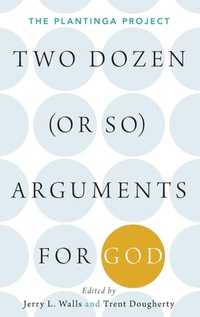
Two Dozen (or so) Arguments for God
The Plantinga Project
Published on 30. August 2018
Book
Hardback
504 pages
978-0-19-084221-5 (ISBN)
Description
Thirty years ago, Alvin Plantinga gave a lecture called "Two Dozen (or so) Theistic Arguments," which served as an underground inspiration for two generations of scholars and students. In it, he proposed a number of novel and creative arguments for the existence of God which have yet to receive the attention they deserve. In Two Dozen (or so) Arguments for God, each of Plantinga's original suggestions, many of which he only briefly sketched, is developed in detail by a wide variety of accomplished scholars. The authors look to metaphysics, epistemology, semantics, ethics, aesthetics, and beyond, finding evidence for God in almost every dimension of reality. Those arguments new to natural theology are more fully developed, and well-known arguments are given new life. Not only does this collection present ground-breaking research, but it lays the foundations for research projects for years to come.
Reviews / Votes
Recommended. * CHOICE * The volume's comprehensive scope, detailed treatment, and innovative character make it an essential text for those interested in the current state-of-play of natural theology within the analytic tradition * Robert MacSwain, Reading Religion * this is an essential volume for those interested in current trends in natural theology ... it is hard to imagine subsequent treatments of theistic arguments not using this volume as a regular point of reference, just as with the original lecture that inspired it. * Robert MacSwain, Reading Religion *More details
Language
English
Place of publication
New York
United States
Target group
Professional and scholarly
Dimensions
Height: 240 mm
Width: 161 mm
Thickness: 31 mm
Weight
910 gr
ISBN-13
978-0-19-084221-5 (9780190842215)
Copyright in bibliographic data and cover images is held by Nielsen Book Services Limited or by the publishers or by their respective licensors: all rights reserved.
Schweitzer Classification
Other editions
Additional editions
Book
09/2018
Oxford University Press Inc
€68.70
Shipment within 15-20 days
E-Book
08/2018
OUP eBook
€33.99
Available for download
E-Book
08/2018
OUP eBook
€26.49
Available for download
Persons
Jerry L. Walls is Scholar in Residence and Professor of Philosophy at Houston Baptist University. He is the author or co-author of over fifteen books, including, most recently, God and Cosmos, with David Baggett (OUP, 2016).
Trent Dougherty is Assistant Professor of Philosophy at Baylor University. He is the editor or co-editor of several books, including Evidentialism and Its Discontents and Skeptical Theism. He is the author of The Problem of Animal Pain.
Trent Dougherty is Assistant Professor of Philosophy at Baylor University. He is the editor or co-editor of several books, including Evidentialism and Its Discontents and Skeptical Theism. He is the author of The Problem of Animal Pain.
Content
List of Contributors
Introduction
? Jerry L. Walls and Trent Dougherty
I. Half a Dozen (or so) Ontological (or Metaphysical) Arguments
(A) The Argument from Intentionality (or Aboutness)
? Lorraine Keller
(B) The Argument from Collections
? Christopher Menzel
(C) The Argument from (Natural) Numbers
? Tyron Goldshmidt
(D) The Argument from Counterfactuals
? Alex Pruss
(E) The Argument from Physical Constants
? Robin Collins
(F) The Naive Teleological Argument
? C. Stephen Evans
(H) The Ontological Argument
? Elizabeth Burns
(I) Why is there Anything at All?
? Josh Rasmussen and Christopher Gregory Weaver
II. Half a Dozen Epistemological Arguments
(J) The Argument from Positive Epistemic Status
? Justin Barrett
(K) The Argument from the Confluence of Proper Function and Reliability
? Alex Arnold
(L) The Argument from Simplicity and (M) The Argument from Induction
? Bradley Monton
(N) The Putnamian Argument (the Argument from the Rejection of Global Skepticism) [also, (O) The Argument from Reference and (K) The Argument from the Confluence of Proper Function and Reliability]
? Evan Fales
(N) The Putnamian Argument, (O) The Argument from Reference, and (P) The Kripke-Wittgenstein Argument from Plus and Quus
? Dan Bonevac
(Q) The General Argument from Intuition.
? Rob Koons
III. Moral Arguments
(R) Moral Arguments (actually R1 to Rn)
? David Baggett
(R*) The Argument from Evil
? Hud Hudson
IV. Other Arguments
(S) The Argument from Colors and Flavors
? Richard Swinburne
(T) The Argument from Love and (Y) The Argument from the Meaning of Life
? Jerry Walls
(U) The Mozart Argument and (V) The Argument from Play and Enjoyment
? Philip Tallon
(W) Arguments from Providence and from Miracles
? Tim McGrew
(X) C.S. Lewis's Argument from Nostalgia
? Todd Buras and Mike Cantrell
(Z) The Argument from (A) to (Y)
? Ted Poston
V. "Or so": Three More Arguments
The Kalam Cosmological Argument
? William Lane Craig
The Argument from Possibility
? Brian Leftow
The Argument from the Incompleteness of Nature
? Bruce Gordon
Afterword - Trent Dougherty and Alvin Plantinga: An Interview on Faith and Reason
Appendix 1: Plantinga's Original "Two Dozen or (So) Theistic Arguments"
Introduction
? Jerry L. Walls and Trent Dougherty
I. Half a Dozen (or so) Ontological (or Metaphysical) Arguments
(A) The Argument from Intentionality (or Aboutness)
? Lorraine Keller
(B) The Argument from Collections
? Christopher Menzel
(C) The Argument from (Natural) Numbers
? Tyron Goldshmidt
(D) The Argument from Counterfactuals
? Alex Pruss
(E) The Argument from Physical Constants
? Robin Collins
(F) The Naive Teleological Argument
? C. Stephen Evans
(H) The Ontological Argument
? Elizabeth Burns
(I) Why is there Anything at All?
? Josh Rasmussen and Christopher Gregory Weaver
II. Half a Dozen Epistemological Arguments
(J) The Argument from Positive Epistemic Status
? Justin Barrett
(K) The Argument from the Confluence of Proper Function and Reliability
? Alex Arnold
(L) The Argument from Simplicity and (M) The Argument from Induction
? Bradley Monton
(N) The Putnamian Argument (the Argument from the Rejection of Global Skepticism) [also, (O) The Argument from Reference and (K) The Argument from the Confluence of Proper Function and Reliability]
? Evan Fales
(N) The Putnamian Argument, (O) The Argument from Reference, and (P) The Kripke-Wittgenstein Argument from Plus and Quus
? Dan Bonevac
(Q) The General Argument from Intuition.
? Rob Koons
III. Moral Arguments
(R) Moral Arguments (actually R1 to Rn)
? David Baggett
(R*) The Argument from Evil
? Hud Hudson
IV. Other Arguments
(S) The Argument from Colors and Flavors
? Richard Swinburne
(T) The Argument from Love and (Y) The Argument from the Meaning of Life
? Jerry Walls
(U) The Mozart Argument and (V) The Argument from Play and Enjoyment
? Philip Tallon
(W) Arguments from Providence and from Miracles
? Tim McGrew
(X) C.S. Lewis's Argument from Nostalgia
? Todd Buras and Mike Cantrell
(Z) The Argument from (A) to (Y)
? Ted Poston
V. "Or so": Three More Arguments
The Kalam Cosmological Argument
? William Lane Craig
The Argument from Possibility
? Brian Leftow
The Argument from the Incompleteness of Nature
? Bruce Gordon
Afterword - Trent Dougherty and Alvin Plantinga: An Interview on Faith and Reason
Appendix 1: Plantinga's Original "Two Dozen or (So) Theistic Arguments"