

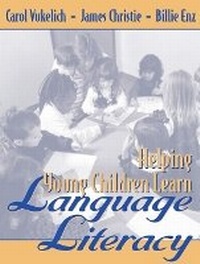
Helping Young Children Learn Language and Literacy
Published on 23. April 2002
Book
Paperback/Softback
304 pages
978-0-205-34233-4 (ISBN)
Description
This text is about teaching the language arts and facilitating children's reading, writing, speaking, and listening development between the ages of 2 and 5.
Based on social constructivist theory, Helping Young Children Learn Language and Literacy provides realistic and direct connections between theory and practice through the use of case studies, trade secrets, and special features. The underlying principle in this text is that children are at the center of all good language and literacy teaching. This principle underlies the three themes that run through this book: a constructivist perspective on learning, respect for diversity, and instruction-based assessment.
Based on social constructivist theory, Helping Young Children Learn Language and Literacy provides realistic and direct connections between theory and practice through the use of case studies, trade secrets, and special features. The underlying principle in this text is that children are at the center of all good language and literacy teaching. This principle underlies the three themes that run through this book: a constructivist perspective on learning, respect for diversity, and instruction-based assessment.
More details
Language
English
Place of publication
United States
Publishing group
Pearson Education (US)
Target group
Professional and scholarly
Weight
662 gr
ISBN-13
978-0-205-34233-4 (9780205342334)
Copyright in bibliographic data and cover images is held by Nielsen Book Services Limited or by the publishers or by their respective licensors: all rights reserved.
Schweitzer Classification
Other editions
New editions
Carol Vukelich | James Christie | Billie Jean Enz
Helping Young Children Learn Language and Literacy
Birth Through Kindergarten
Book
03/2007
2nd Edition
Pearson
€74.46
Article exhausted; check for reprint
Content
Every chapter begins with a "Before Reading This Chapter, Think About..." section and concludes with a summary and a "Linking Knowledge to Practice" section.
Preface.
1. Foundations of Language and Literacy.
Focus Questions.
Language and Literacy: Definitions and Interrelationship.
The Way Children Learn.
Respect for Diversity.
Assessing Children's Literacy Learning.
Teaching Language and Literacy to Young Children.
2. Oral Language Development.
Focus Questions.
Language Acquisition Theories.
Linguistic Vocabulary Lesson.
Observing the Development of Children's Language.
What is Normal Language Development?
Factors Contributing to Variation in Rate of Language Acquisition.
Young Children's Second Language Development.
3. Facilitating Oral Language Learning.
Focus Questions.
Home Talk: A Natural Context for Learning and Using Language.
School Talk: A Structured Context for Learning and Using Language.
Assessment: Finding Out What Children Know and Can Do.
Linking Knowledge to Practice.
4. The Beginnings of Reading and Writing.
Focus Questions.
Traditional Views of Literacy Development.
New Perspectives on Early Literacy.
Case Studies.
5. Selecting and Sharing Books.
Focus Questions.
Selecting Good Books for Young Children.
Making Books Accessible to Young Children.
Sharing Literature with Children.
Assessment: Discovering What Children Know and Can Do.
6. Building a Foundation for Literacy Learning.
Focus Questions.
Functional Literacy Activities.
Linking Literacy and Play.
Language Experience Approach/Shared Writing.
7. Teaching Writing and Reading in a Balanced Literacy Program.
Focus Questions.
Writing Instruction.
Reading Instruction.
8. On-Going Assessment and Adapting Instruction to Meet the Needs of Diverse Students.
Focus Questions.
Assessment: Determining What Children Know and Can Do.
What is Important for Teachers to Know About Children's Literacy Development
The First Step - Gathering Information.
Creating a Portfolio.
Special Populations.
9. Organizing the Curriculum and Classroom Environment.
Focus Questions.
Approaches to Curriculum Design.
Erasing the Seams: Designing Integrated Curriculum.
Designing the Classroom's Physical Environment to Support the Integrated Curriculum.
Organizing the Classroom's Daily Schedule: Creating a Rhythm to the Day.
Integrated Units Alive in a Classroom.
10. Helping Families Facilitate Language and Literacy Development.
Focus Questions.
What Roles Do Families Play?
Helping Families And Primary Caregivers Become Effective First Teachers.
Teacher and Schools as Professional Resources.
Preface.
1. Foundations of Language and Literacy.
Focus Questions.
Language and Literacy: Definitions and Interrelationship.
The Way Children Learn.
Respect for Diversity.
Assessing Children's Literacy Learning.
Teaching Language and Literacy to Young Children.
2. Oral Language Development.
Focus Questions.
Language Acquisition Theories.
Linguistic Vocabulary Lesson.
Observing the Development of Children's Language.
What is Normal Language Development?
Factors Contributing to Variation in Rate of Language Acquisition.
Young Children's Second Language Development.
3. Facilitating Oral Language Learning.
Focus Questions.
Home Talk: A Natural Context for Learning and Using Language.
School Talk: A Structured Context for Learning and Using Language.
Assessment: Finding Out What Children Know and Can Do.
Linking Knowledge to Practice.
4. The Beginnings of Reading and Writing.
Focus Questions.
Traditional Views of Literacy Development.
New Perspectives on Early Literacy.
Case Studies.
5. Selecting and Sharing Books.
Focus Questions.
Selecting Good Books for Young Children.
Making Books Accessible to Young Children.
Sharing Literature with Children.
Assessment: Discovering What Children Know and Can Do.
6. Building a Foundation for Literacy Learning.
Focus Questions.
Functional Literacy Activities.
Linking Literacy and Play.
Language Experience Approach/Shared Writing.
7. Teaching Writing and Reading in a Balanced Literacy Program.
Focus Questions.
Writing Instruction.
Reading Instruction.
8. On-Going Assessment and Adapting Instruction to Meet the Needs of Diverse Students.
Focus Questions.
Assessment: Determining What Children Know and Can Do.
What is Important for Teachers to Know About Children's Literacy Development
The First Step - Gathering Information.
Creating a Portfolio.
Special Populations.
9. Organizing the Curriculum and Classroom Environment.
Focus Questions.
Approaches to Curriculum Design.
Erasing the Seams: Designing Integrated Curriculum.
Designing the Classroom's Physical Environment to Support the Integrated Curriculum.
Organizing the Classroom's Daily Schedule: Creating a Rhythm to the Day.
Integrated Units Alive in a Classroom.
10. Helping Families Facilitate Language and Literacy Development.
Focus Questions.
What Roles Do Families Play?
Helping Families And Primary Caregivers Become Effective First Teachers.
Teacher and Schools as Professional Resources.