

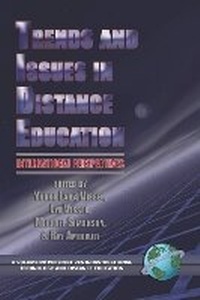
Trends and Issues in Distance Education
International Perspectives
Published on 13. September 2005
Book
Hardback
328 pages
978-1-59311-213-4 (ISBN)
Description
This book provides a broad treatment of current distance education trends and issues from an international vantage point. The book includes some twenty authored chapters that provide insight into specific implementations of distance education worldwide, as well as analyses of cross-national distance education themes. The book is designed to address the needs of a broad audience including practitioners, researchers, and graduate students, all of whom are impacted by the growing trend toward distance education in high school and university-levels.
More details
Series
Language
English
Place of publication
Charlotte
United States
Publishing group
Emerald Publishing Inc
Target group
Professional and scholarly
Dimensions
Height: 234 mm
Width: 156 mm
Thickness: 19 mm
Weight
637 gr
ISBN-13
978-1-59311-213-4 (9781593112134)
Copyright in bibliographic data and cover images is held by Nielsen Book Services Limited or by the publishers or by their respective licensors: all rights reserved.
Schweitzer Classification
Other editions
New editions
Lya Visser | Yusra Laila Visser | Ray Amirault
Trends and Issues in Distance Education
International Perspectives
Book
05/2012
2nd Edition
Information Age Publishing
€128.50
Shipment within 3-4 weeks
Content
Part I. Perspectives on Global TRs and Issues in Distance Education.
Chapter 1. A Survey of Progressive and Conservative Trends in Education with Implications for Distance Education Practice; Brent G. Wilson.
Chapter 2. Quality, Accreditation and Recognition: Issues in the Delivery of Transnational Education; Andrea Hope.
Chapter 3. The Long and Short of Distance Education: Trends and Issues from a Planetary Human Development Perspective; Jan Visser.
Chapter 4. Distance Education Reappraised: Emerging Trends in Traditional Universities and Corporate Training Institutions; Francois Marchessou.
Chapter 5. What the World Needs Now: International Research on Distance Education; Deborah LaPointe.
Part II. Interviews with Leaders in International Distance Education.
Chapter 6. Defining Trends and Issues in Distance Education: An Interview with Don Ely; Lya Visser and Kristen Gagnon.
Chapter 7. A Career in International Distance Education: An Interview with Barbara Spronk; Michael Simonson and Margaret Crawford.
Chapter 8. University-Wide Distance Education Implementation: An Interview with Robert Morgan; Ray J. Amirault and Jeffery Sievert.
Chapter 9. Personal Perspectives on Trends and Issues in Distance Education: An Interview with Otto Peters; Lya Visser and Meira van der Spa.
Part III. National and Regional Case Studies in Distance Education.
Chapter 10. Open and Distance Learning for Developing Countries: Is the Cup Half Full or Is It Still Half Empty? Tony Dodds.
Chapter 11. The Promise of M-learning for Distance Education in South Africa and Other Developing Nations; Lya Visser and Paul West.
Chapter 12. British Distance Education: A Proud Tradition; Steve Wheeler.
Chapter 13. Distance Education in Turkey: Experiences and Issues; Ugur Demiray.
Chapter 14. Supporting Distance Learning in Brazil: Applications of a Multimedia Digital Library; Fredric Michael Litto.
Chapter 15. Open and Distance Learning Enhanced through ICTs: A Toy for Africa's Elite or an Essential Tool for Sustainable Development? Bob Day.
Chapter 16. The Role of Distance Education in Turkish Women's Education; Emine Demiray and Sensu Curabay.
Chapter 17. Thank You for (not) Forgetting Us: A Reflection on the Trials, Tribulations, and Take-off of Distance Education in Mozambique; Muriel Visser-Valfrey, Jan Visser, and Miguel Buendia.
Part IV. Design and Development TRs for International Distance Education.
Chapter 18. Learning Management Systems (LMS) for Web-based Distance Education: An International Review; Wei-yuan Zhang and Lixun Wang.
Chapter 19. Trends in Distance Education Technologies from an International Vantage Point; Michael Simonson.
Chapter 20. Dynamism and Evolution in Student Support and Instruction in Distance Education: Implications for International Distance Education; Yusra Laila Visser.
About the Authors.
Chapter 1. A Survey of Progressive and Conservative Trends in Education with Implications for Distance Education Practice; Brent G. Wilson.
Chapter 2. Quality, Accreditation and Recognition: Issues in the Delivery of Transnational Education; Andrea Hope.
Chapter 3. The Long and Short of Distance Education: Trends and Issues from a Planetary Human Development Perspective; Jan Visser.
Chapter 4. Distance Education Reappraised: Emerging Trends in Traditional Universities and Corporate Training Institutions; Francois Marchessou.
Chapter 5. What the World Needs Now: International Research on Distance Education; Deborah LaPointe.
Part II. Interviews with Leaders in International Distance Education.
Chapter 6. Defining Trends and Issues in Distance Education: An Interview with Don Ely; Lya Visser and Kristen Gagnon.
Chapter 7. A Career in International Distance Education: An Interview with Barbara Spronk; Michael Simonson and Margaret Crawford.
Chapter 8. University-Wide Distance Education Implementation: An Interview with Robert Morgan; Ray J. Amirault and Jeffery Sievert.
Chapter 9. Personal Perspectives on Trends and Issues in Distance Education: An Interview with Otto Peters; Lya Visser and Meira van der Spa.
Part III. National and Regional Case Studies in Distance Education.
Chapter 10. Open and Distance Learning for Developing Countries: Is the Cup Half Full or Is It Still Half Empty? Tony Dodds.
Chapter 11. The Promise of M-learning for Distance Education in South Africa and Other Developing Nations; Lya Visser and Paul West.
Chapter 12. British Distance Education: A Proud Tradition; Steve Wheeler.
Chapter 13. Distance Education in Turkey: Experiences and Issues; Ugur Demiray.
Chapter 14. Supporting Distance Learning in Brazil: Applications of a Multimedia Digital Library; Fredric Michael Litto.
Chapter 15. Open and Distance Learning Enhanced through ICTs: A Toy for Africa's Elite or an Essential Tool for Sustainable Development? Bob Day.
Chapter 16. The Role of Distance Education in Turkish Women's Education; Emine Demiray and Sensu Curabay.
Chapter 17. Thank You for (not) Forgetting Us: A Reflection on the Trials, Tribulations, and Take-off of Distance Education in Mozambique; Muriel Visser-Valfrey, Jan Visser, and Miguel Buendia.
Part IV. Design and Development TRs for International Distance Education.
Chapter 18. Learning Management Systems (LMS) for Web-based Distance Education: An International Review; Wei-yuan Zhang and Lixun Wang.
Chapter 19. Trends in Distance Education Technologies from an International Vantage Point; Michael Simonson.
Chapter 20. Dynamism and Evolution in Student Support and Instruction in Distance Education: Implications for International Distance Education; Yusra Laila Visser.
About the Authors.