

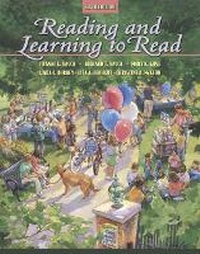
Reading and Learning to Read
6th Edition
Published on 26. May 2005
Book
Hardback
656 pages
978-0-205-43154-0 (ISBN)
Description
With its emphasis on comprehensive reading instruction, Reading and Learning to Read, Sixth Edition, remains an active learning tool that encourages future teachers to teach reading in ways that are both meaningful and reflective. This text promotes a contemporary, comprehensive approach to teaching reading and writing with an emphasis on research-based best practice, integrating technology, and accommodating the needs of diverse and struggling learners. This edition maintains its focus on meeting standards-an increasingly critical topic-in new boxes connecting chapter content with standards and assessment, as well as a wealth of practical examples and references that exemplify the IRA Standards for Reading Professionals.
More details
Edition
6th edition
Language
English
Place of publication
United States
Publishing group
Pearson Education (US)
Target group
Professional and scholarly
Dimensions
Height: 261 mm
Width: 211 mm
Thickness: 31 mm
Weight
1368 gr
ISBN-13
978-0-205-43154-0 (9780205431540)
Copyright in bibliographic data and cover images is held by Nielsen Book Services Limited or by the publishers or by their respective licensors: all rights reserved.
Schweitzer Classification
Other editions
New editions
Jo Anne L. Vacca | Richard T. Vacca | Mary K. Gove
Reading and Learning to Read
Book
03/2008
7th Edition
Pearson
€104.17
Article exhausted; check for reprint
Previous edition
Richard T. Vacca | Jo Anne L. Vacca | Mary K. Gove
Reading and Learning to Read
Book
11/2002
5th Edition
Pearson
€88.08
Article exhausted; check for reprint
Content
1. Knowledge and Beliefs About Reading.
The Importance of Belief Systems.
How Teachers Come to Know About Reading and Learning to Read.
Cognitive Insights into Reading and Learning to Read.
Reading from a Language Perspective.
Models of Reading.
2. Approaches to Reading Instruction
Belief Systems and Approaches to Literacy Instruction.
Curriculum Perspectives.
Instructional Approaches.
Approaches and Strategies in Comprehensive Instruction.
3. Early Literacy: From Birth to School.
Children's Development in Early Reading and Writing.
Developmentally Appropriate Practices.
4. Inviting Beginners into the Literacy Club.
Learning Literacy Through Storybooks.
Learning about the Relationships between Speech and Print.
Learning About Features of Written Language.
Learning About Letters and Sounds.
5. Assessing Reading Performance.
Toward a Corroborative Framework for Decision Making.
Trends in Assessment.
Formal Assessment.
Informal Assessment.
Portfolio Assessment.
6. Word Identification.
Defining Word Identification.
Phases of Development in Children's Ability to Identify Words.
Approaches and Guidelines for Teaching Phonics.
Strategies for Teaching Phonics.
Using Meaning and Letter-Word Formation to Identify Words.
Rapid Recognition of Words.
Balancing Word Identification Instruction.
7. Reading Fluency.
Defining Oral Reading Fluency.
Developing Oral Reading Fluency.
Routines for Fluency Development.
Monitoring Oral Reading Fluency.
Developing Silent Reading Fluency.
8. Vocabulary Knowledge and Concept Development.
The Relationship Between Vocabulary and Comprehension.
Experiences, Concepts, and Words.
Principles to Guide Vocabulary Instruction.
Best Practice: Strategies for Vocabulary and Concept Development.
9. Reading Comprehension.
Scaffolding the Development and Use of Comprehension Strategies.
Developing Readers' Awareness of Story Structure.
Guiding Interactions between Reader and Text.
Reading Comprehension and the Web
10. Meeting the Literacy Needs of Diverse Learners.
Linguistic Diversity in Literacy Classrooms.
Cultural Diversity in Literacy Classrooms.
Academic and Cognitive Diversity in Literacy Classrooms.
11. Reading-Writing Connections.
Creating Environments for Reading and Writing.
Connecting Reading and Writing.
Establishing a Predictable Structure for Writing.
Reading-Writing-Technology Connections.
12. Bringing Children and Literature Together.
Supporting a Community of Readers.
Surrounding Children with Literature.
Organizing for Literature-Based Instruction.
Encouraging Responses to Literature.
13. Basal Readers and Instructional Materials.
The First Basals
Basal Programs Today.
Characteristics of Basal Readers.
Making Instructional Decisions.
Instructional Materials.
14. Making the Transition to Content Area Texts.
Why Are Content Area Textbooks Difficult?
Using Literature and Nonfiction Trade Books across the Curriculum.
Strategies before Reading.
Extending Content Learning through Reading and Writing.
15. Managing and Organizing an Effective Classroom.
Improving Instruction.
Individualizing Instruction.
Putting It All Together: Organizing a Classroom Community.
Technology in the Literacy Classroom
Appendices:
A. Beliefs about Reading Interview
B. DeFord Theoretical Orientation to Reading Profile
C. Reading and Writing Accomplishments of Young Children by Grade Level
D. Trade Books That Repeat Phonic Elements
E. Annotated Bibliography of Read-Aloud Books for Developing Phonemic Awareness
F. Recommended Books for Multicultural Classrooms
G. IRA Standards for Reading Professionals
The Importance of Belief Systems.
How Teachers Come to Know About Reading and Learning to Read.
Cognitive Insights into Reading and Learning to Read.
Reading from a Language Perspective.
Models of Reading.
2. Approaches to Reading Instruction
Belief Systems and Approaches to Literacy Instruction.
Curriculum Perspectives.
Instructional Approaches.
Approaches and Strategies in Comprehensive Instruction.
3. Early Literacy: From Birth to School.
Children's Development in Early Reading and Writing.
Developmentally Appropriate Practices.
4. Inviting Beginners into the Literacy Club.
Learning Literacy Through Storybooks.
Learning about the Relationships between Speech and Print.
Learning About Features of Written Language.
Learning About Letters and Sounds.
5. Assessing Reading Performance.
Toward a Corroborative Framework for Decision Making.
Trends in Assessment.
Formal Assessment.
Informal Assessment.
Portfolio Assessment.
6. Word Identification.
Defining Word Identification.
Phases of Development in Children's Ability to Identify Words.
Approaches and Guidelines for Teaching Phonics.
Strategies for Teaching Phonics.
Using Meaning and Letter-Word Formation to Identify Words.
Rapid Recognition of Words.
Balancing Word Identification Instruction.
7. Reading Fluency.
Defining Oral Reading Fluency.
Developing Oral Reading Fluency.
Routines for Fluency Development.
Monitoring Oral Reading Fluency.
Developing Silent Reading Fluency.
8. Vocabulary Knowledge and Concept Development.
The Relationship Between Vocabulary and Comprehension.
Experiences, Concepts, and Words.
Principles to Guide Vocabulary Instruction.
Best Practice: Strategies for Vocabulary and Concept Development.
9. Reading Comprehension.
Scaffolding the Development and Use of Comprehension Strategies.
Developing Readers' Awareness of Story Structure.
Guiding Interactions between Reader and Text.
Reading Comprehension and the Web
10. Meeting the Literacy Needs of Diverse Learners.
Linguistic Diversity in Literacy Classrooms.
Cultural Diversity in Literacy Classrooms.
Academic and Cognitive Diversity in Literacy Classrooms.
11. Reading-Writing Connections.
Creating Environments for Reading and Writing.
Connecting Reading and Writing.
Establishing a Predictable Structure for Writing.
Reading-Writing-Technology Connections.
12. Bringing Children and Literature Together.
Supporting a Community of Readers.
Surrounding Children with Literature.
Organizing for Literature-Based Instruction.
Encouraging Responses to Literature.
13. Basal Readers and Instructional Materials.
The First Basals
Basal Programs Today.
Characteristics of Basal Readers.
Making Instructional Decisions.
Instructional Materials.
14. Making the Transition to Content Area Texts.
Why Are Content Area Textbooks Difficult?
Using Literature and Nonfiction Trade Books across the Curriculum.
Strategies before Reading.
Extending Content Learning through Reading and Writing.
15. Managing and Organizing an Effective Classroom.
Improving Instruction.
Individualizing Instruction.
Putting It All Together: Organizing a Classroom Community.
Technology in the Literacy Classroom
Appendices:
A. Beliefs about Reading Interview
B. DeFord Theoretical Orientation to Reading Profile
C. Reading and Writing Accomplishments of Young Children by Grade Level
D. Trade Books That Repeat Phonic Elements
E. Annotated Bibliography of Read-Aloud Books for Developing Phonemic Awareness
F. Recommended Books for Multicultural Classrooms
G. IRA Standards for Reading Professionals