

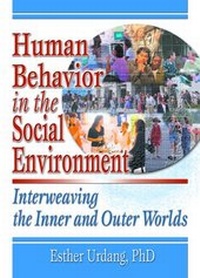
Human Behavior in the Social Environment
Interweaving the Inner and Outer Worlds
Published on 28. March 2002
Book
Paperback/Softback
658 pages
978-0-7890-1522-8 (ISBN)
Description
Design and implement appropriate, effective social work education programs!This vital human behavior textbook for graduate-level social work students emphasizes the biopsychosocial framework with a psychodynamic and developmental perspective. Written from the perspective of a classroom teacher, faculty advisor, and clinician, this book discusses ego functions, defenses, psychoanalytic theory, object relations, attachment theory, self-psychology, constructivism, and cognitive-behavioral theories. In addition, current social problems such as violence and abuse are addressed.Human Behavior in the Social Environment: Interweaving the Inner and Outer Worlds addresses development through the life cycle, discussing the developmental challenges, tasks, and problems of each stage. Presenting complex concepts in a clear and understandable way, it also examines and integrates systems and organizational factors, as well as the impact of culture on clients and treatment programs.Each chapter of Human Behavior in the Social Environment includes learning exercises and suggested readings. Some of the issues emphasized in this text are:
development though the life cycle and the challenges, tasks, and problems of each stage
the diversity of forms of families
patterns of internal organization and communication within families
illness and disabilities
mental health problems such as schizophrenia, depression, borderline personalities, anxiety disorders, addictions, and developmental disabilitiesWith case vignettes as well as material from literary works, biographies, and newspapers, this well-referenced volume illustrates the complexities of human existence, the multiple social conflicts operating in society, and the relevance of social policy dilemmas.
development though the life cycle and the challenges, tasks, and problems of each stage
the diversity of forms of families
patterns of internal organization and communication within families
illness and disabilities
mental health problems such as schizophrenia, depression, borderline personalities, anxiety disorders, addictions, and developmental disabilitiesWith case vignettes as well as material from literary works, biographies, and newspapers, this well-referenced volume illustrates the complexities of human existence, the multiple social conflicts operating in society, and the relevance of social policy dilemmas.
More details
Language
English
Place of publication
Binghamton
United States
Publishing group
Taylor & Francis Inc
Target group
College/higher education
Professional and scholarly
Dimensions
Height: 216 mm
Width: 156 mm
Weight
978 gr
ISBN-13
978-0-7890-1522-8 (9780789015228)
Copyright in bibliographic data and cover images is held by Nielsen Book Services Limited or by the publishers or by their respective licensors: all rights reserved.
Schweitzer Classification
Other editions
Additional editions
Book
04/2002
Haworth Press Inc
€207.98
Article exhausted; check different version
Person
Content
Preface
Acknowledgments
Section I: The Biopsychosocial Perspective
Chapter 1. Overview
Introduction
Goals of This Book
Structure of the Book
Theoretical Perspectives
The Embattled Place of Psychodynamic Theory
Additional Perspectives
Special Issues
Illustration of the Biopsychosocial Approach to a Case
Conclusion
Learning Exercises
Suggested Readings
Chapter 2. Psychoanalytic and Ego Psychology Theories
Introduction
Psychoanalytic Theory
Ego Psychology
Conclusion
Learning Exercises
Suggested Readings
Chapter 3. Object Relations, Self Psychology, and Cognitive-Behavioral Theories
Introduction
Object Relations Theory
Self Psychology
Cognitive and Behavioral Theories
Resilience
Conclusion
Learning Exercise
Suggested Readings
Chapter 4. Social Systems and the Community
Introduction
The Ecological Perspective
The Physical Environment
The Social Environment
Organizations
Social Issues
Conclusion
Learning Exercises
Suggested Readings
Chapter 5. Culture and Diversity
Introduction
Constructivism
Diversity
Immigration
Developing New Cultures
The Impact of Cultural Issues on Clinical Social Work
Conclusion
Learning Exercise
Suggested Readings
Chapter 6. The Family: Forms and Organization
Introduction
Forms and Structures of Family Life
Systemic Issues in Child Welfare
Conclusion
Learning Exercise
Suggested Readings
Chapter 7. The Family: Internal Structures and Special Family Problems
Introduction
Structural Theory
Object Relations Family Therapy
Working with Families: The Biopsychosocial Perspective
Special Family Problems
Special Approaches to Family Treatment
Conclusion
Learning Exercise
Suggested Readings
Section II: The Life Cycle
Chapter 8. Reproductive Issues, Infancy, and Early Childhood Development
Introduction
Reproduction
The Evolving Child
Preventive Programs
Conclusion
Learning Exercise
Suggested Readings
Chapter 9. Middle Childhood and Adolescence
Elementary School Years
Adolescence
Conclusion
Learning Exercise
Suggested Readings
Chapter 10. Adult Development
Gender
Stages of Adult Development
Conclusion
Learning Exercise
Suggested Readings
Section III: Special Issues
Chapter 11. Life Transitions, Crises, and Loss
Transitions
Crisis Theory
Loss and Grief
Facing Death
The Mourning Process
Conclusion
Learning Exercise
Suggested Readings
Chapter 12. Illness and Disability
Introduction
The Biopsychosocial Perspective in Clinical Work with People with Illness and Disability
The Body-Mind Interaction
AIDS
Systems Issues
Conclusion
Learning Exercise
Suggested Readings
Chapter 13. Mental Health Problems
Schizophrenia
Depression
Borderline Personalities
Anxiety Disorders
The Addictions
Developmental Disabilities
Conclusion
Learning Exercise
Suggested Readings Section IV: Integration
Chapter 14. Conclusion
Case Illustration of Ego Functions
The Life Course
Conclusion
Learning Exercise
References
Index
Acknowledgments
Section I: The Biopsychosocial Perspective
Chapter 1. Overview
Introduction
Goals of This Book
Structure of the Book
Theoretical Perspectives
The Embattled Place of Psychodynamic Theory
Additional Perspectives
Special Issues
Illustration of the Biopsychosocial Approach to a Case
Conclusion
Learning Exercises
Suggested Readings
Chapter 2. Psychoanalytic and Ego Psychology Theories
Introduction
Psychoanalytic Theory
Ego Psychology
Conclusion
Learning Exercises
Suggested Readings
Chapter 3. Object Relations, Self Psychology, and Cognitive-Behavioral Theories
Introduction
Object Relations Theory
Self Psychology
Cognitive and Behavioral Theories
Resilience
Conclusion
Learning Exercise
Suggested Readings
Chapter 4. Social Systems and the Community
Introduction
The Ecological Perspective
The Physical Environment
The Social Environment
Organizations
Social Issues
Conclusion
Learning Exercises
Suggested Readings
Chapter 5. Culture and Diversity
Introduction
Constructivism
Diversity
Immigration
Developing New Cultures
The Impact of Cultural Issues on Clinical Social Work
Conclusion
Learning Exercise
Suggested Readings
Chapter 6. The Family: Forms and Organization
Introduction
Forms and Structures of Family Life
Systemic Issues in Child Welfare
Conclusion
Learning Exercise
Suggested Readings
Chapter 7. The Family: Internal Structures and Special Family Problems
Introduction
Structural Theory
Object Relations Family Therapy
Working with Families: The Biopsychosocial Perspective
Special Family Problems
Special Approaches to Family Treatment
Conclusion
Learning Exercise
Suggested Readings
Section II: The Life Cycle
Chapter 8. Reproductive Issues, Infancy, and Early Childhood Development
Introduction
Reproduction
The Evolving Child
Preventive Programs
Conclusion
Learning Exercise
Suggested Readings
Chapter 9. Middle Childhood and Adolescence
Elementary School Years
Adolescence
Conclusion
Learning Exercise
Suggested Readings
Chapter 10. Adult Development
Gender
Stages of Adult Development
Conclusion
Learning Exercise
Suggested Readings
Section III: Special Issues
Chapter 11. Life Transitions, Crises, and Loss
Transitions
Crisis Theory
Loss and Grief
Facing Death
The Mourning Process
Conclusion
Learning Exercise
Suggested Readings
Chapter 12. Illness and Disability
Introduction
The Biopsychosocial Perspective in Clinical Work with People with Illness and Disability
The Body-Mind Interaction
AIDS
Systems Issues
Conclusion
Learning Exercise
Suggested Readings
Chapter 13. Mental Health Problems
Schizophrenia
Depression
Borderline Personalities
Anxiety Disorders
The Addictions
Developmental Disabilities
Conclusion
Learning Exercise
Suggested Readings Section IV: Integration
Chapter 14. Conclusion
Case Illustration of Ego Functions
The Life Course
Conclusion
Learning Exercise
References
Index