

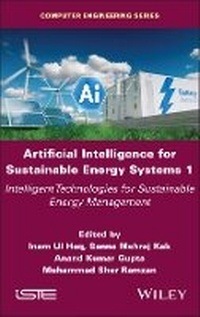
Artificial Intelligence for Sustainable Energy Systems 1
Intelligent Technologies for Sustainable Energy Management
1st Edition
Will be published approx. on 14. September 2026
Book
Hardback
304 pages
978-1-83669-097-9 (ISBN)
Description
Artificial Intelligence for Sustainable Energy Systems 1 presents a comprehensive exploration of how intelligent technologies are transforming modern energy infrastructures toward a more sustainable and efficient future.
This book brings together the fundamental concepts of artificial intelligence (AI), machine learning, deep learning and big data analytics, with their practical integration into renewable energy systems, smart grids and digital energy management platforms. The book covers key developments such as AI-driven renewable optimization, predictive modeling for energy demand, digital twins for asset maintenance, blockchain-enabled energy trading, IoT-based smart grids and intelligent monitoring systems. By blending theoretical insights with real-world technological implementations, the book highlights how data-driven intelligence enhances reliability, security and sustainability across energy ecosystems.
Designed for researchers, engineers, graduate students and policymakers, this book serves as a fundamental reference for advancing intelligent solutions in next-generation sustainable energy systems.
This book brings together the fundamental concepts of artificial intelligence (AI), machine learning, deep learning and big data analytics, with their practical integration into renewable energy systems, smart grids and digital energy management platforms. The book covers key developments such as AI-driven renewable optimization, predictive modeling for energy demand, digital twins for asset maintenance, blockchain-enabled energy trading, IoT-based smart grids and intelligent monitoring systems. By blending theoretical insights with real-world technological implementations, the book highlights how data-driven intelligence enhances reliability, security and sustainability across energy ecosystems.
Designed for researchers, engineers, graduate students and policymakers, this book serves as a fundamental reference for advancing intelligent solutions in next-generation sustainable energy systems.
More details
Series
Language
English
Place of publication
London
United Kingdom
Target group
Professional and scholarly
ISBN-13
978-1-83669-097-9 (9781836690979)
Copyright in bibliographic data and cover images is held by Nielsen Book Services Limited or by the publishers or by their respective licensors: all rights reserved.
Schweitzer Classification
Other editions
Additional editions
Inam Ul Haq | Sanna Mehraj Kak | Anand Kumar Gupta
Artificial Intelligence for Sustainable Energy Systems 1
Intelligent Technologies for Sustainable Energy Management
E-Book
06/2026
1st Edition
Wiley
€130.99
Available for download
Inam Ul Haq | Sanna Mehraj Kak | Anand Kumar Gupta
Artificial Intelligence for Sustainable Energy Systems 1
Intelligent Technologies for Sustainable Energy Management
E-Book
05/2026
1st Edition
Wiley-Scrivener
€130.99
Available for download
Persons
Inam Ul Haq is an assistant professor at the CGC University, Mohali, India. His research specializes in AI, quantum computing, renewable energy analytics, medical research and integrating AI-driven solutions across engineering and healthcare domains.
Sanna Mehraj Kak is an assistant professor at the Noida Institute of Engineering and Technology, India. Her research specializes in AI, cybersecurity and cloud computing.
Anand Kumar Gupta is a professor and head of CSE (AI) at the Noida Institute of Engineering and Technology, India. His research specializes in AI, ML, DL, social network analysis, NLP and link prediction.
Muhammad Sher Ramzan is a professor at the Faculty of Computing and Information Technology (FCIT), King Abdulaziz University, Saudi Arabia. His research specializes in information security, next-generation networks, information systems, ubiquitous and smart computing, and cloud computing.
Sanna Mehraj Kak is an assistant professor at the Noida Institute of Engineering and Technology, India. Her research specializes in AI, cybersecurity and cloud computing.
Anand Kumar Gupta is a professor and head of CSE (AI) at the Noida Institute of Engineering and Technology, India. His research specializes in AI, ML, DL, social network analysis, NLP and link prediction.
Muhammad Sher Ramzan is a professor at the Faculty of Computing and Information Technology (FCIT), King Abdulaziz University, Saudi Arabia. His research specializes in information security, next-generation networks, information systems, ubiquitous and smart computing, and cloud computing.
Content
Preface xv
Inam UL HAQ, Sanna Mehraj KAK, Anand Kumar GUPTA and Muhammad Sher RAMZAN
Chapter 1. Introduction to Sustainable Energy Systems 1
Inam UL HAQ
1.1. Introduction 1
1.2. Components of sustainable energy systems 4
1.3. Sustainability issues in energy 7
1.4. AI in sustainable energy systems 8
1.5. Case studies and applications 11
1.6. Future directions 13
1.7. Conclusion 14
1.8. References 15
Chapter 2. Overview of AI, ML and DL Applications in Energy and Sustainability 17
Priya PANDEY, Ashish PANDEY and Hema MAHAWAR
2.1. Introduction 17
2.2. Literature review 25
2.3. Methodology 27
2.4. Challenges 30
2.5. Conclusion and future scope 32
2.6. References 33
Chapter 3. Overview of AI, ML and DL Applications in Energy and Sustainability 37
Mrinal PANDEY and Monika GOYAL
3.1. Introduction 37
3.2. Literature survey 39
3.3. Brief description of AI, ML and DL 40
3.4. Applications of AI in energy sectors and sustainability 42
3.5. Case study 45
3.6. Conclusion 49
3.7. References 49
Chapter 4. Conceptual and Methodological Insights into AI, ML and DL for Energy and Environmental Challenges 51
Inderdeep KAUR
4.1. Introduction 52
4.2. Conceptual foundations of AI, ML and DL 57
4.3. Methodologies for environmental data acquisition 64
4.4. AI-based predictive modeling for environmental challenges 68
4.5. AI-driven energy system optimization 73
4.6. Smart agriculture and precision forestry 76
4.7. Challenges and ethical considerations 78
4.8. Future directions and emerging trends 81
4.9. Conclusion 83
4.10. References 84
Chapter 5. AI in Renewable Energy Technologies 89
Jagdeep KAUR, Vidhi GUPTA and Aditi RAJ
5.1. Introduction to sustainable energy systems 89
5.2. Introduction to AI in renewable energy technologies 94
5.3. Smart grids, IoT and AI for energy management 99
5.4. Global policies and AI-enabled energy strategies 106
5.5. Future directions, pathways to net-zero: challenges, risks and future of AI in sustainable energy 114
5.6. Conclusion 118
5.7. References 119
Chapter 6. Big Data Analytics and Predictive Models in Energy Systems 121
Biswajit DAS, Himanshu PABBI, Shweta SINGH, Monika MEHRA and Sanny KUMAR
6.1. Introduction 121
6.2. Big data analytics in energy systems basics 126
6.3. Predictive modeling: concepts and techniques 131
6.4. Applications of big data analytics in energy systems 140
6.5. Integration of IoT, Edge and cloud technologies 144
6.6. Case studies and real-world implementations 147
6.7. Challenges, limitations and future directions 150
6.8. Conclusion 154
6.9. References 156
Chapter 7. Smart Grids, IoT and AI: Transforming Energy Management for a Sustainable Future 161
Khalid Hafiz MIR and Anzah BASHIR
7.1. Introduction 162
7.2. Ethical considerations 164
7.3. Regulatory frameworks 170
7.4. Metrics for ethical and regulatory compliance 172
7.5. Future directions 173
7.6. Conclusion 173
7.7. References 174
Chapter 8. Digital Twins and AI for Predictive Maintenance of Renewable Energy Assets 177
Abdul Malik ANSARI
8.1. Introduction 177
8.2. DTs in renewable energy 179
8.3. System architecture of DT-AI integration 183
8.4. Integration of DTs and AI 185
8.5. Comparative analysis of maintenance strategies 192
8.6. Conclusion 194
8.7. References 194
Chapter 9. Digitally Enhanced Fire Alarm System Using Sensor Driven Arduino Implementation for Smart Energy Management 197
Ranjit Kumar BINDAL and Akhil NIGAM
9.1. Introduction 198
9.2. Literature review 198
9.3. Problem formulation 201
9.4. Constraints 202
9.5. Advantages of Arduino Uno over other types of Arduino modules 207
9.6. Concluding remarks 210
9.7. References 211
Chapter 10. AI and Blockchain for Renewable Energy Trading 215
Hitendra SINGH, Pradeep Kumar SHARMA, Deepti GUPTA, Fardeen Ahmad KHAN, Bandana KUMARI, Shivani SHARMA, Prashant KUMAR and Sanny KUMAR
10.1. Introduction 215
10.2. AI in renewable energy 218
10.3. Renewable energy with blockchain 220
10.4. AI-blockchain synergy 226
10.5. Challenges and limitations in blockchain and AI-based renewable energy trading 230
10.6. Future prospects 233
10.7. Summary 236
10.8. References 237
Chapter 11. Smart Energy Grids: Architecture, Security and Emerging Technologies 241
Dhruv GOEL, Pratham KUMAR, Mamta NARWARIA and Md Jauhar IMAM
11.1. Introduction 241
11.2. Literature review/background 242
11.3. IoT-enabled smart energy grid framework (methodology) 245
11.4. Results and discussion 248
11.5. Security vulnerabilities and threat models 249
11.6. Challenges and future scope 252
11.7. Conclusion 254
11.8. References 255
List of Authors 257
Index 261
Inam UL HAQ, Sanna Mehraj KAK, Anand Kumar GUPTA and Muhammad Sher RAMZAN
Chapter 1. Introduction to Sustainable Energy Systems 1
Inam UL HAQ
1.1. Introduction 1
1.2. Components of sustainable energy systems 4
1.3. Sustainability issues in energy 7
1.4. AI in sustainable energy systems 8
1.5. Case studies and applications 11
1.6. Future directions 13
1.7. Conclusion 14
1.8. References 15
Chapter 2. Overview of AI, ML and DL Applications in Energy and Sustainability 17
Priya PANDEY, Ashish PANDEY and Hema MAHAWAR
2.1. Introduction 17
2.2. Literature review 25
2.3. Methodology 27
2.4. Challenges 30
2.5. Conclusion and future scope 32
2.6. References 33
Chapter 3. Overview of AI, ML and DL Applications in Energy and Sustainability 37
Mrinal PANDEY and Monika GOYAL
3.1. Introduction 37
3.2. Literature survey 39
3.3. Brief description of AI, ML and DL 40
3.4. Applications of AI in energy sectors and sustainability 42
3.5. Case study 45
3.6. Conclusion 49
3.7. References 49
Chapter 4. Conceptual and Methodological Insights into AI, ML and DL for Energy and Environmental Challenges 51
Inderdeep KAUR
4.1. Introduction 52
4.2. Conceptual foundations of AI, ML and DL 57
4.3. Methodologies for environmental data acquisition 64
4.4. AI-based predictive modeling for environmental challenges 68
4.5. AI-driven energy system optimization 73
4.6. Smart agriculture and precision forestry 76
4.7. Challenges and ethical considerations 78
4.8. Future directions and emerging trends 81
4.9. Conclusion 83
4.10. References 84
Chapter 5. AI in Renewable Energy Technologies 89
Jagdeep KAUR, Vidhi GUPTA and Aditi RAJ
5.1. Introduction to sustainable energy systems 89
5.2. Introduction to AI in renewable energy technologies 94
5.3. Smart grids, IoT and AI for energy management 99
5.4. Global policies and AI-enabled energy strategies 106
5.5. Future directions, pathways to net-zero: challenges, risks and future of AI in sustainable energy 114
5.6. Conclusion 118
5.7. References 119
Chapter 6. Big Data Analytics and Predictive Models in Energy Systems 121
Biswajit DAS, Himanshu PABBI, Shweta SINGH, Monika MEHRA and Sanny KUMAR
6.1. Introduction 121
6.2. Big data analytics in energy systems basics 126
6.3. Predictive modeling: concepts and techniques 131
6.4. Applications of big data analytics in energy systems 140
6.5. Integration of IoT, Edge and cloud technologies 144
6.6. Case studies and real-world implementations 147
6.7. Challenges, limitations and future directions 150
6.8. Conclusion 154
6.9. References 156
Chapter 7. Smart Grids, IoT and AI: Transforming Energy Management for a Sustainable Future 161
Khalid Hafiz MIR and Anzah BASHIR
7.1. Introduction 162
7.2. Ethical considerations 164
7.3. Regulatory frameworks 170
7.4. Metrics for ethical and regulatory compliance 172
7.5. Future directions 173
7.6. Conclusion 173
7.7. References 174
Chapter 8. Digital Twins and AI for Predictive Maintenance of Renewable Energy Assets 177
Abdul Malik ANSARI
8.1. Introduction 177
8.2. DTs in renewable energy 179
8.3. System architecture of DT-AI integration 183
8.4. Integration of DTs and AI 185
8.5. Comparative analysis of maintenance strategies 192
8.6. Conclusion 194
8.7. References 194
Chapter 9. Digitally Enhanced Fire Alarm System Using Sensor Driven Arduino Implementation for Smart Energy Management 197
Ranjit Kumar BINDAL and Akhil NIGAM
9.1. Introduction 198
9.2. Literature review 198
9.3. Problem formulation 201
9.4. Constraints 202
9.5. Advantages of Arduino Uno over other types of Arduino modules 207
9.6. Concluding remarks 210
9.7. References 211
Chapter 10. AI and Blockchain for Renewable Energy Trading 215
Hitendra SINGH, Pradeep Kumar SHARMA, Deepti GUPTA, Fardeen Ahmad KHAN, Bandana KUMARI, Shivani SHARMA, Prashant KUMAR and Sanny KUMAR
10.1. Introduction 215
10.2. AI in renewable energy 218
10.3. Renewable energy with blockchain 220
10.4. AI-blockchain synergy 226
10.5. Challenges and limitations in blockchain and AI-based renewable energy trading 230
10.6. Future prospects 233
10.7. Summary 236
10.8. References 237
Chapter 11. Smart Energy Grids: Architecture, Security and Emerging Technologies 241
Dhruv GOEL, Pratham KUMAR, Mamta NARWARIA and Md Jauhar IMAM
11.1. Introduction 241
11.2. Literature review/background 242
11.3. IoT-enabled smart energy grid framework (methodology) 245
11.4. Results and discussion 248
11.5. Security vulnerabilities and threat models 249
11.6. Challenges and future scope 252
11.7. Conclusion 254
11.8. References 255
List of Authors 257
Index 261