

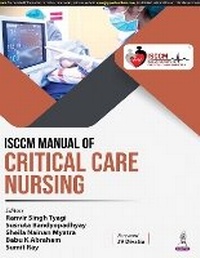
Manual of Critical Care Nursing
Published on 19. February 2024
Book
Paperback/Softback
380 pages
978-93-5696-503-4 (ISBN)
More details
Language
English
Place of publication
New Delhi
India
Target group
College/higher education
Dimensions
Height: 241 mm
Width: 170 mm
Thickness: 14 mm
Weight
658 gr
ISBN-13
978-93-5696-503-4 (9789356965034)
Copyright in bibliographic data and cover images is held by Nielsen Book Services Limited or by the publishers or by their respective licensors: all rights reserved.
Schweitzer Classification
Persons
Ranvir Singh Tyagi MD FICCM FCCM
Director, Department of Anaesthesia and Critical Care Medicine, Synergy Plus Hospital and Galaxy Hospital, Agra, Uttar Pradesh, India
Susruta Bandyopadhyay MD (Medicine) Diploma in Cardiology
Director, Department of Critical Care, Manipal Hospitals,Kolkata, West Bengal, India
Sheila Nainan Myatra MD FCCM FICCM
Professor of Critical Care Medicine, Department of Anaesthesiology, Critical Care and Pain, Tata Memorial Hospital, Mumbai, Maharashtra, India; Immediate Past President, ISCCM Chair, Intensive and Critical Care Medicine Committee, World Federation of Societies of Anaesthesiologists (WFSA)
Babu K Abraham MD MRCP (UK) Fellowship in Critical Care Medicine (University of Toronto) FICCM
Senior Consultant, Department of Critical Care Medicine, Apollo Hospitals, Chennai, Tamil Nadu, India
Sumit Ray MD FICCM
Medical Director and Head, Department of Critical Care Medicine, Holy Family Hospital New Delhi, India
Director, Department of Anaesthesia and Critical Care Medicine, Synergy Plus Hospital and Galaxy Hospital, Agra, Uttar Pradesh, India
Susruta Bandyopadhyay MD (Medicine) Diploma in Cardiology
Director, Department of Critical Care, Manipal Hospitals,Kolkata, West Bengal, India
Sheila Nainan Myatra MD FCCM FICCM
Professor of Critical Care Medicine, Department of Anaesthesiology, Critical Care and Pain, Tata Memorial Hospital, Mumbai, Maharashtra, India; Immediate Past President, ISCCM Chair, Intensive and Critical Care Medicine Committee, World Federation of Societies of Anaesthesiologists (WFSA)
Babu K Abraham MD MRCP (UK) Fellowship in Critical Care Medicine (University of Toronto) FICCM
Senior Consultant, Department of Critical Care Medicine, Apollo Hospitals, Chennai, Tamil Nadu, India
Sumit Ray MD FICCM
Medical Director and Head, Department of Critical Care Medicine, Holy Family Hospital New Delhi, India
Content
SECTION 1: An Introduction to Critical Care Nursing
1. Intensive Care Unit Nursing: How is it Different?
2. Initial Nursing Assessment of a Patient Admitted to the Intensive Care Unit
3. Intensive Care Unit Rounds (FAST HUG BIDS) and Beyond
4. Resuscitation of an Acutely Ill Patient
SECTION 2: Monitoring
5. Bedside Monitoring: Oxygen, Carbon Dioxide, Blood Sugar, and Temperature
6. Electrocardiogram and Arrhythmias
7. Arterial Blood Gas Analysis and Electrolyte Imbalances
8. Hemodynamic Monitoring
SECTION 3: Organ Support
9. High-flow Nasal Oxygen and Noninvasive Ventilation
10. Mechanical Ventilation Simplified
11. Renal Replacement Therapy
12. The Role of Nurses in the Care of Extracorporeal Membrane Oxygenation Patients
SECTION 4: Systems
13. Cardiac Critical Care
14. Critical Care Neurology and Neurosurgery
15. Pulmonary Critical Care Nursing
16. Emergencies in Gastroenterology
17. Care of a Patient Undergoing Major Surgery
18. Endocrine Emergencies
19. Trauma and Burns
SECTION 5: General Nursing
20. Airway Management
21. Oral and Eye Care in Critically Ill Patients
22. Delirium and Sedation in Intensive Care Unit
23. Bedsore and Pressure Injuries
24. Physiotherapy and Mobilization
25. Transferring a Critically Ill Patient
26. Nutrition
27. Defibrillation, Cardioversion, and Transcutaneous Pacing
28. Injections and Infusions
29. Transfusion Medicine
30. Intravenous Fluid Therapy in Intensive Care Nursing
31. Setting Up Trays
32. Alarm Fatigue and Burn Out
33. Sample Collection
34. Nursing Care of the Terminally Ill
SECTION 6: Infection
35. Infection Control
36. Needlestick Injury
37. Sterilization, Disinfection, and Waste Disposal
SECTION 7: Soft Skills
38. Communication for Nurses
39. Documentation in Intensive Care Unit: Nursing Guideline
40. Nursing Standards and Quality Indicators
SECTION 8: Disaster Management
41. Disaster Management
SECTION 9: Brain Death and Organ Donation
42. Brain Death
SECTION 10: Formulas and Scores
43. Formulas and Scores Used in Intensive Care Unit
1. Intensive Care Unit Nursing: How is it Different?
2. Initial Nursing Assessment of a Patient Admitted to the Intensive Care Unit
3. Intensive Care Unit Rounds (FAST HUG BIDS) and Beyond
4. Resuscitation of an Acutely Ill Patient
SECTION 2: Monitoring
5. Bedside Monitoring: Oxygen, Carbon Dioxide, Blood Sugar, and Temperature
6. Electrocardiogram and Arrhythmias
7. Arterial Blood Gas Analysis and Electrolyte Imbalances
8. Hemodynamic Monitoring
SECTION 3: Organ Support
9. High-flow Nasal Oxygen and Noninvasive Ventilation
10. Mechanical Ventilation Simplified
11. Renal Replacement Therapy
12. The Role of Nurses in the Care of Extracorporeal Membrane Oxygenation Patients
SECTION 4: Systems
13. Cardiac Critical Care
14. Critical Care Neurology and Neurosurgery
15. Pulmonary Critical Care Nursing
16. Emergencies in Gastroenterology
17. Care of a Patient Undergoing Major Surgery
18. Endocrine Emergencies
19. Trauma and Burns
SECTION 5: General Nursing
20. Airway Management
21. Oral and Eye Care in Critically Ill Patients
22. Delirium and Sedation in Intensive Care Unit
23. Bedsore and Pressure Injuries
24. Physiotherapy and Mobilization
25. Transferring a Critically Ill Patient
26. Nutrition
27. Defibrillation, Cardioversion, and Transcutaneous Pacing
28. Injections and Infusions
29. Transfusion Medicine
30. Intravenous Fluid Therapy in Intensive Care Nursing
31. Setting Up Trays
32. Alarm Fatigue and Burn Out
33. Sample Collection
34. Nursing Care of the Terminally Ill
SECTION 6: Infection
35. Infection Control
36. Needlestick Injury
37. Sterilization, Disinfection, and Waste Disposal
SECTION 7: Soft Skills
38. Communication for Nurses
39. Documentation in Intensive Care Unit: Nursing Guideline
40. Nursing Standards and Quality Indicators
SECTION 8: Disaster Management
41. Disaster Management
SECTION 9: Brain Death and Organ Donation
42. Brain Death
SECTION 10: Formulas and Scores
43. Formulas and Scores Used in Intensive Care Unit