

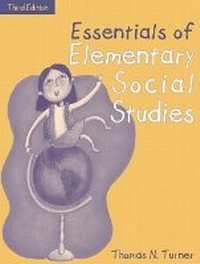
Essentials of Elementary Social Studies, (Part of the Essentials of Classroom Teaching Series)
3rd Edition
Published on 17. February 2004
Book
Paperback/Softback
240 pages
978-0-205-40266-3 (ISBN)
Description
Essentials of Elementary Social Studies presents the essentials of pertinent research, valued classroom methodology, and current practice in teaching elementary social studies at a length, format, and price perfect for the undergraduate course in social studies methods and ideal for " block" courses where more than one content area's methods are taught.
More details
Edition
3rd edition
Language
English
Place of publication
United States
Publishing group
Pearson Education (US)
Target group
Professional and scholarly
Dimensions
Height: 235 mm
Width: 178 mm
Weight
454 gr
ISBN-13
978-0-205-40266-3 (9780205402663)
Copyright in bibliographic data and cover images is held by Nielsen Book Services Limited or by the publishers or by their respective licensors: all rights reserved.
Schweitzer Classification
Other editions
New editions
Thomas N. Turner
Essentials of Elementary Social Studies, (Part of the Essentials of Classroom Teaching Series), MyLabSchool Edition
Book
02/2005
3rd Edition
Pearson
€58.83
Article is exhausted; no reprint
Previous edition

Thomas N. Turner
Essentials of Elementary Social Studies
(Part of the Essentials of Classroom Teaching Series)
Book
09/1998
2nd Edition
Pearson
€39.80
Article exhausted; check for reprint
Content
1. Today's Elementary Social Studies Classrooms.
Change in the Society and Change in the Social Studies.
Observing the Problems Approach in Operation in a Primary Classroom.
Observing the Problems Approach in Operation in an Intermediate Classroom.
Goals of Social Studies.
2. Making Plans to Teach.
Focus Activity.
Why Is Planning Important?
Setting the Stage: Creating the Environment.
Why Teachers Do Not Plan.
Types of Planning for International Units: Why Different Units Are Suited to Different Kinds of Instructional Planning.
Deciding on Unit Topics.
Developing the Unit Plan.
Instructional Objectives.
Content Outlines and Flowcharts.
Concept Webs.
Unit Elements Format.
What Makes a Unit Plan Suitable for Social Studies?
Finding and Using Prepared Units.
Planning for Shorter Instruction Sequences.
Two or Alternative Types of Plans.
3. The Social Studies Program.
Why Is There Controversy over Social Studies Programs?
Incorporating themes from the standards in Social Studies Education.
What Is the Place of the Social Science Disciplines?
4. Making Textbook Units Work for You.
Textbook Units.
Maximizing Effective Textbook Learning.
Reading Abilities and Skills Needed in the Social Studies.
Reading Problems and How to Deal with Them.
5. Purposeful and Authentic Assessment and Evaluation.
The Role of Assessment in the Social Studies.
Principles of Assessment.
The Changing Face of Assessment.
Guidelines for Assessment.
Authentic Assessment and Portfolios.
Assessment Through Tests and Quizzes.
Problems in Assessing Projects and Reports.
Subjective Assessment.
Peer Assessment and Self-Evaluation.
Checklist Assessment.
Analytical Assessment.
Teacher Observations and Anecdotal Records.
6. Reading, Writing, and Technology as Tools for Social Studies Learning.
Effective Reading, Writing, and Computer Use Assignments in the Social Studies.
Use of Reference Reading and Children's Literature: Providing for Individual Differences.
Dictionaries, Glossaries, and Indexes.
Encyclopedias, Atlases, and Almanacs.
Biographies and Other Nonfiction.
Fiction and Poetry.
Ten Ways to Do Book Reports "The Social Studies Way."
Whole Language and the Social Studies.
Organizing to Write: Note Taking, Question Answering, and Outlining.
Developing Research and Reporting Skills.
Writing Creatively.
Mathematics and the Social Studies: Charts, Graphs, and Maps.
Using Computers for Social Studies Learning and Research.
7. Study, Map, Time, and Economic Skills: The Urge Is the Edge.
Building the Desire to Master Study Skills.
Finding Information
Teaching about Maps and Globes.
Maps Are to Use.
Time Concepts and Skills.
Economic Skills.
8. Teaching Thinking and Learning Skills.
Focus Activity
The Thinking Skills of Observing, Listening and Comprehending.
Logical Thinking and Analyzing Skills.
Critical and Creative Thinking.
Problem Solving and Inquiry.
Incorporating Thinking and Learning Skills into the Social Studies.
9. Character Education and the Development of Values, Attitudes, and Appreciation.
Focus Activity
Character Education and Citizenship.
Looking at Character Education and Values from a World Views Perspective.
Decision Making Skills in Relation to Values.
What Values Do We Want to Teach?
How Do We Develop Values?
10. Using Simulation Games and Other Types of Drama in the Social Studies.
Focus Activity
The Importance of Drama in the Social Studies.
Simulation Games.
Mock Trials.
Drama Through Reading: Guided Fantasy, Class Action Drama, Readers' Theater, and Dramatic Reading.
Role Plays and Other Structured Drama Techniques.
Art- and Story-Related Dramatic Techniques.
Reenactment.
Interactional Drama.
Drama Units.
Story Telling.
Effective Use of Drama.
Change in the Society and Change in the Social Studies.
Observing the Problems Approach in Operation in a Primary Classroom.
Observing the Problems Approach in Operation in an Intermediate Classroom.
Goals of Social Studies.
2. Making Plans to Teach.
Focus Activity.
Why Is Planning Important?
Setting the Stage: Creating the Environment.
Why Teachers Do Not Plan.
Types of Planning for International Units: Why Different Units Are Suited to Different Kinds of Instructional Planning.
Deciding on Unit Topics.
Developing the Unit Plan.
Instructional Objectives.
Content Outlines and Flowcharts.
Concept Webs.
Unit Elements Format.
What Makes a Unit Plan Suitable for Social Studies?
Finding and Using Prepared Units.
Planning for Shorter Instruction Sequences.
Two or Alternative Types of Plans.
3. The Social Studies Program.
Why Is There Controversy over Social Studies Programs?
Incorporating themes from the standards in Social Studies Education.
What Is the Place of the Social Science Disciplines?
4. Making Textbook Units Work for You.
Textbook Units.
Maximizing Effective Textbook Learning.
Reading Abilities and Skills Needed in the Social Studies.
Reading Problems and How to Deal with Them.
5. Purposeful and Authentic Assessment and Evaluation.
The Role of Assessment in the Social Studies.
Principles of Assessment.
The Changing Face of Assessment.
Guidelines for Assessment.
Authentic Assessment and Portfolios.
Assessment Through Tests and Quizzes.
Problems in Assessing Projects and Reports.
Subjective Assessment.
Peer Assessment and Self-Evaluation.
Checklist Assessment.
Analytical Assessment.
Teacher Observations and Anecdotal Records.
6. Reading, Writing, and Technology as Tools for Social Studies Learning.
Effective Reading, Writing, and Computer Use Assignments in the Social Studies.
Use of Reference Reading and Children's Literature: Providing for Individual Differences.
Dictionaries, Glossaries, and Indexes.
Encyclopedias, Atlases, and Almanacs.
Biographies and Other Nonfiction.
Fiction and Poetry.
Ten Ways to Do Book Reports "The Social Studies Way."
Whole Language and the Social Studies.
Organizing to Write: Note Taking, Question Answering, and Outlining.
Developing Research and Reporting Skills.
Writing Creatively.
Mathematics and the Social Studies: Charts, Graphs, and Maps.
Using Computers for Social Studies Learning and Research.
7. Study, Map, Time, and Economic Skills: The Urge Is the Edge.
Building the Desire to Master Study Skills.
Finding Information
Teaching about Maps and Globes.
Maps Are to Use.
Time Concepts and Skills.
Economic Skills.
8. Teaching Thinking and Learning Skills.
Focus Activity
The Thinking Skills of Observing, Listening and Comprehending.
Logical Thinking and Analyzing Skills.
Critical and Creative Thinking.
Problem Solving and Inquiry.
Incorporating Thinking and Learning Skills into the Social Studies.
9. Character Education and the Development of Values, Attitudes, and Appreciation.
Focus Activity
Character Education and Citizenship.
Looking at Character Education and Values from a World Views Perspective.
Decision Making Skills in Relation to Values.
What Values Do We Want to Teach?
How Do We Develop Values?
10. Using Simulation Games and Other Types of Drama in the Social Studies.
Focus Activity
The Importance of Drama in the Social Studies.
Simulation Games.
Mock Trials.
Drama Through Reading: Guided Fantasy, Class Action Drama, Readers' Theater, and Dramatic Reading.
Role Plays and Other Structured Drama Techniques.
Art- and Story-Related Dramatic Techniques.
Reenactment.
Interactional Drama.
Drama Units.
Story Telling.
Effective Use of Drama.