

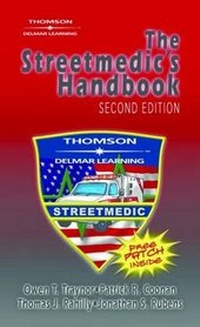
The Streetmedic's Handbook
2nd Edition
Published on 21. December 2004
Book
Paperback/Softback
544 pages
978-1-4018-5924-4 (ISBN)
Description
The Streetmedic's Handbook, now in its second edition, is a concise field reference that presents essential information for pre-hospital emergencies that Paramedics and EMT's do not encounter on a daily basis. With its compact size or the new, separately sold downloadable PDA content, this resource makes an ideal companion and quick-reference tool for EMT's in the field. The Streetmedic's Handbook also lends itself well to the classroom setting for students who are studying emergency medicine. From the classroom to the field, those who use this book will appreciate the standardized, problem-oriented format that sets it apart from other quick-reference manuals.
Reviews / Votes
SECTION ONE. COMMONLY ENCOUNTERED PROBLEMS. 1. Abdominal Pain. 2. Allergic Reactions and Anaphylaxis. 3. Altered Mental Status. 4. Bites and Envenomations. 5. Bradycardia. 6. Burns. 7. Cardiac Arrest: Adults. 8. Cardiac Arrest: Pediatrics. 9. CVAs and TIAs. 10. Chest Pain. 11. Child Abuse. 12. Croup and epiglottitis. 13. DKA and Hyperglycemia. 14. Domestic Violence. 15. Drug Withdrawal Syndrome. 16. Dyspnea. 17. Fever. 18. GI Bleeding. 19. Headache. 20. Head Injury. 21. HIV Infection. 22. Hypertensive Emergencies. 23. Hyperthermia. 24. Hypoglycemia. 25. Hypotension. 26. Hypothermia. 27. Multitrauma. 28. Musculoskeletal trauma. 29. Nausea and Vomiting. 30. Near Drowning. 31. Obstetric Emergencies. 32. Obstructed Airway. 33. Overdose and Poisoning. 34. Palpitations. 35. Rape and Sexual Abuse. 36. Seizure. 37. Shock. 38. Sickle Cell Crisis. 39. Smoke Inhalation. 40. Spinal Cord Injury. 41. Sudden Infant Death Syndrome. 42. Syncope. 43. Tachycardia. 44. Vaginal Bleeding. 45. Wheezing. SECTION TWO. SPECIAL SITUATIONS. 46. Advance Directives. 47. Critic Incident Stress. 48. Exposure to Infectious disease. 49. The Fire Scene. 50. The Hazardous Material Incident. 51. Interpretation of the 12 lead ECG. 52 Multiple Casualty Incidents. 53 Psychiatric Emergencies. 54 Approach to Pediatric patients. 55 Response to Terrorism. SECTION THREE. Procedures. 56 Capnography. 57 Cardioversion and Defibrillation. 58 Central Venous Catheterization. 59 Combitube Insertion. 60 Cricothyrotomy. 61 Endotracheal Intubation and Extubation. 62 Intraosseous Insertion. 63 LMA Insertion. 64 Medication Administration. 65 Needle Chest Decompression. 66 Peripheral IV insertion. 67 PTL Insertion. 68 Pulse oximetry. 69 Rapid Sequence Intubation. 70 Transcutaneous pacingMore details
Edition
2nd Revised edition
Language
English
Place of publication
Clifton Park
United States
Publishing group
Cengage Learning, Inc
Target group
College/higher education
Professional and scholarly
Edition type
Revised edition
Dimensions
Height: 185 mm
Width: 109 mm
Thickness: 38 mm
Weight
522 gr
ISBN-13
978-1-4018-5924-4 (9781401859244)
Copyright in bibliographic data and cover images is held by Nielsen Book Services Limited or by the publishers or by their respective licensors: all rights reserved.
Schweitzer Classification
Other editions
Previous edition

Owen T. Traynor | Patrick R. Coonan | Thomas J. Rahilly
The Streetmedic's Handbook
Book
04/1995
F.A. Davis Company
€42.26
Shipment within 10-20 days
Content
SECTION ONE. COMMONLY ENCOUNTERED PROBLEMS. 1. Abdominal Pain. 2. Allergic Reactions and Anaphylaxis. 3. Altered Mental Status. 4. Bites and Envenomations. 5. Bradycardia. 6. Burns. 7. Cardiac Arrest: Adults. 8. Cardiac Arrest: Pediatrics. 9. CVAs and TIAs. 10. Chest Pain. 11. Child Abuse. 12. Croup and epiglottitis. 13. DKA and Hyperglycemia. 14. Domestic Violence. 15. Drug Withdrawal Syndrome. 16. Dyspnea. 17. Fever. 18. GI Bleeding. 19. Headache. 20. Head Injury. 21. HIV Infection. 22. Hypertensive Emergencies. 23. Hyperthermia. 24. Hypoglycemia. 25. Hypotension. 26. Hypothermia. 27. Multitrauma. 28. Musculoskeletal trauma. 29. Nausea and Vomiting. 30. Near Drowning. 31. Obstetric Emergencies. 32. Obstructed Airway. 33. Overdose and Poisoning. 34. Palpitations. 35. Rape and Sexual Abuse. 36. Seizure. 37. Shock. 38. Sickle Cell Crisis. 39. Smoke Inhalation. 40. Spinal Cord Injury. 41. Sudden Infant Death Syndrome. 42. Syncope. 43. Tachycardia. 44. Vaginal Bleeding. 45. Wheezing. SECTION TWO. SPECIAL SITUATIONS. 46. Advance Directives. 47. Critic Incident Stress. 48. Exposure to Infectious disease. 49. The Fire Scene. 50. The Hazardous Material Incident. 51. Interpretation of the 12 lead ECG. 52 Multiple Casualty Incidents. 53 Psychiatric Emergencies. 54 Approach to Pediatric patients. 55 Response to Terrorism. SECTION THREE. Procedures. 56 Capnography. 57 Cardioversion and Defibrillation. 58 Central Venous Catheterization. 59 Combitube Insertion. 60 Cricothyrotomy. 61 Endotracheal Intubation and Extubation. 62 Intraosseous Insertion. 63 LMA Insertion. 64 Medication Administration. 65 Needle Chest Decompression. 66 Peripheral IV insertion. 67 PTL Insertion. 68 Pulse oximetry. 69 Rapid Sequence Intubation. 70 Transcutaneous pacing