


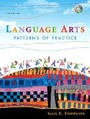
Language Arts
Content and Learning Pkg.
5th Edition
Published on 28. May 2003
Book
Mixed media product
653 pages
978-0-13-074689-4 (ISBN)
Description
Built on a solid research base, this exceptionally applied, accessible, and teacher-friendly text continues to provide balanced coverage of all six of the language arts, including extensive application as well as student artifacts. Features new to the fifth edition include: *New full-color inserts, emphasize the four prime instructional processes of language arts: literature focus units, literature circles, reading and writing workshops, and theme cycles *Piecing a Lesson Together expands lesson topics to include full minilessons and the opportunity for users to create their own lessons online *Weaving Assessment Into the Classroom features in each chapter take readers into real classrooms to witness the ongoing assessment necessary for masterful language arts teaching *A fully integrated Companion Website provides users with access to minilessons, research, meaningful activities, and an online journal *A free CD-ROM with footage of a Language Arts classroom gives users an intimate look at using instructional patterns in practice
More details
Edition
5th edition
Language
English
Place of publication
United States
Publishing group
Pearson Education (US)
Target group
Professional and scholarly
ISBN-13
978-0-13-074689-4 (9780130746894)
Copyright in bibliographic data is held by Nielsen Book Services Limited or its licensors: all rights reserved.
Schweitzer Classification
Other editions
New editions
Book
07/2004
6th Edition
Pearson
€73.03
Article exhausted; check for reprint
Person
Gail E. Tompkins is a Professor at California State University, Fresno, in the Department of Literacy and Early Education, where shy teaches courses in reading, language arts, and writing for preservice teachers and students in the reading/language arts master's degree program. She directs the San Joaquin Valley Writing Project and works regularly with teachers, both by teaching model lessons in classrooms and by leading staff development programs. Recently Dr. Tompkins was inducted into the California Reading Association's Reading Hall of Fame in recognition of her publications and other accomplishments in the field of reading. She has also been awarded the prestigious Provost's Award for Excellence in Teaching at California State University, Fresno.
Previously, Dr. Tompkins taught at Miami University in Ohio and at the University of Oklahoma in Norman where she received the prestigious Regents' Award for Superior Teaching. She was also an elementary teacher in Virginia for eight years.
Dr. Tompkins is the author of three other books published by Merrill/Prentice Hall: Teaching Writing: Balancing Process and Product, 3rd ed. (2000), 50 Literacy Strategies (1998), and Literacy for the 21st Century: A Balanced Approach, 2nd ed. (2001). She has written numerous articles related to reading and language arts that have appeared in The Reading Teacher, Language Arts, and other professional journals.
Previously, Dr. Tompkins taught at Miami University in Ohio and at the University of Oklahoma in Norman where she received the prestigious Regents' Award for Superior Teaching. She was also an elementary teacher in Virginia for eight years.
Dr. Tompkins is the author of three other books published by Merrill/Prentice Hall: Teaching Writing: Balancing Process and Product, 3rd ed. (2000), 50 Literacy Strategies (1998), and Literacy for the 21st Century: A Balanced Approach, 2nd ed. (2001). She has written numerous articles related to reading and language arts that have appeared in The Reading Teacher, Language Arts, and other professional journals.
Content
All chapters end with a Review, Extensions, Professional References and Children's Books.
1. Learning and the Language Arts.
How Children Learn. Language Learning and Culture. How Children Learn Language Arts.
2. Teaching and Assessing Language Arts.
Language Arts Classrooms and Materials. Patterns of Practice.
3. The Reading and Writing Processes.
The Reading Process. The Writing Process. Connections Between Reading and Writing.
4. Emerging into Literacy.
Fostering Young Children's Interest in Literacy. Young Children Emerge into Reading. Young Children Emerge into Writing. Minilessons About Reading and Writing.
5. Looking Closely at Words.
History of the English Language. Words and Their Meanings. Teaching Students About Words.
6. Personal Writing.
Writing in Journals. Letter Writing.
7. Listening to Learn.
The Listening Process. Aesthetic Listening. Efferent Listening. Critical Listening.
8. Sustaining Talk in the Classroom.
Aesthetic Talk. Efferent Talk. Dramatic Activities.
9. Reading and Writing Stories.
Developing Student's Concept of Story. Reading Stories. Writing Stories.
10. Reading and Writing Information.
Developing Student's Knowledge About Informational Books. Reports of Information. Life Stories.
11. Reading and Writing Poetry.
Playing with Words. Reading Poems. Writing Poems.
12. Learning to Spell Conventionally.
Children's Spelling Development. Teaching Spelling in the Elementary Grades.
13. Learning about Grammar and Usage.
Grammatical Concepts. Teaching Grammar in the Elementary Grades.
14. Developing Legible Handwriting.
Handwriting Forms. Children's Handwriting Development. Teaching Handwriting in the Elementary Grades.
15. Putting It All Together.
Literature Focus Units. Literature Circles. Reading and Writing Workshop. Theme Cycles.
Name Index.
Subject Index.
1. Learning and the Language Arts.
How Children Learn. Language Learning and Culture. How Children Learn Language Arts.
2. Teaching and Assessing Language Arts.
Language Arts Classrooms and Materials. Patterns of Practice.
3. The Reading and Writing Processes.
The Reading Process. The Writing Process. Connections Between Reading and Writing.
4. Emerging into Literacy.
Fostering Young Children's Interest in Literacy. Young Children Emerge into Reading. Young Children Emerge into Writing. Minilessons About Reading and Writing.
5. Looking Closely at Words.
History of the English Language. Words and Their Meanings. Teaching Students About Words.
6. Personal Writing.
Writing in Journals. Letter Writing.
7. Listening to Learn.
The Listening Process. Aesthetic Listening. Efferent Listening. Critical Listening.
8. Sustaining Talk in the Classroom.
Aesthetic Talk. Efferent Talk. Dramatic Activities.
9. Reading and Writing Stories.
Developing Student's Concept of Story. Reading Stories. Writing Stories.
10. Reading and Writing Information.
Developing Student's Knowledge About Informational Books. Reports of Information. Life Stories.
11. Reading and Writing Poetry.
Playing with Words. Reading Poems. Writing Poems.
12. Learning to Spell Conventionally.
Children's Spelling Development. Teaching Spelling in the Elementary Grades.
13. Learning about Grammar and Usage.
Grammatical Concepts. Teaching Grammar in the Elementary Grades.
14. Developing Legible Handwriting.
Handwriting Forms. Children's Handwriting Development. Teaching Handwriting in the Elementary Grades.
15. Putting It All Together.
Literature Focus Units. Literature Circles. Reading and Writing Workshop. Theme Cycles.
Name Index.
Subject Index.