


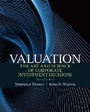
Valuation
The Art and Science of Corporate Investment Decisions
Published on 7. September 2007
Book
Hardback
592 pages
978-0-321-33610-1 (ISBN)
Description
Valuation: The Art and Science of Corporate Investment Decisions is the first textbook to offer an integrated approach to both project and enterprise valuation. The text goes beyond standard DCF analysis by including additional valuation methods commonly used in practice, such as comparables, simulations (including Crystal Ball (R)), and real options. In addition, discussions are considered against the backdrop of other quantitative and qualitative corporate issues that affect valuation, including:
Organizational structure and incentives: The text examines how the corporate decision-making process as well as the incentive system can positively or negatively affect valuation.
Strategic analysis and real options: Real options are presented as a tool to complement executive intuition and provide a more disciplined evaluation process that focuses on creating value.
Risk management and hedging: Risks associated with interest rate fluctuations, variable foreign exchange rates, and fluctuating commodity prices can create hedging and risk management opportunities that affect value.
Financing: The ability to secure attractive financing terms is an important source of value, and readers should understand how financing opportunities influence the value of an investment opportunity.
Irrational behavior: The text examines how limitations in cognitive abilities and biases in assessing abilities of key players can affect valuation.
Organizational structure and incentives: The text examines how the corporate decision-making process as well as the incentive system can positively or negatively affect valuation.
Strategic analysis and real options: Real options are presented as a tool to complement executive intuition and provide a more disciplined evaluation process that focuses on creating value.
Risk management and hedging: Risks associated with interest rate fluctuations, variable foreign exchange rates, and fluctuating commodity prices can create hedging and risk management opportunities that affect value.
Financing: The ability to secure attractive financing terms is an important source of value, and readers should understand how financing opportunities influence the value of an investment opportunity.
Irrational behavior: The text examines how limitations in cognitive abilities and biases in assessing abilities of key players can affect valuation.
More details
Language
English
Place of publication
United States
Publishing group
Pearson Education (US)
Target group
Professional and scholarly
Dimensions
Height: 237 mm
Width: 195 mm
Thickness: 27 mm
Weight
1092 gr
ISBN-13
978-0-321-33610-1 (9780321336101)
Copyright in bibliographic data is held by Nielsen Book Services Limited or its licensors: all rights reserved.
Schweitzer Classification
Other editions

Persons
Sheridan Titman holds the McCallister Centennial Chair in Financial Services at the University of Texas, Austin. Before his present post, he taught for a number of years at UCLA. Among his prolific research projects are studies in optimal capital structure, irrational investors, tangible and intangible information and market reactions, and Asian stock markets. He is coauthor of the textbook, Financial Markets and Corporate Strategy, with Mark Grinblatt.
John Martin holds the Carr P. Collins Chair in Finance at Baylor University, where he teaches corporate finance and financial modeling. He has published widely in the academic literature and in addition to Valuation, is the coauthor of four other textbooks: Financial Management, Foundations of Finance, Financial Analysis, and The Theory of Finance. He is especially interested in research in the areas of corporate governance, evaluation of firm performance, and the design of incentive compensation programs.
John Martin holds the Carr P. Collins Chair in Finance at Baylor University, where he teaches corporate finance and financial modeling. He has published widely in the academic literature and in addition to Valuation, is the coauthor of four other textbooks: Financial Management, Foundations of Finance, Financial Analysis, and The Theory of Finance. He is especially interested in research in the areas of corporate governance, evaluation of firm performance, and the design of incentive compensation programs.
Content
Preface
Chapter 1: Overview of Valuation
Introduction
The Nature of Major Investment Decisions
Dealing with Complexity-Process and Discipline
Case Study-CP3 Corporation, Inc.
Summing Up and Looking Forward
Summary
PART I. PROJECT ANALYSIS USING DISCOUNTED CASH FLOW (DCF)
Chapter 2: Forecasting and Valuing Cash Flows
Discounted Cash Flows and Valuation
Defining Investment Cash Flows
Comprehensive Example-Forecasting Project Free Cash Flows
Valuing Investment Cash Flows
Summary
Problems
Chapter 3: Project Risk Analysis
Introduction
Uncertainty and Investment Analysis
Sensitivity Analysis-Learning More about the Project
Decision Trees-Valuing Project Flexibility
Summary
Problems
Appendix: An Introduction to Simulation Analysis and Crystal Ball
PART II. COST OF CAPITAL
Chapter 4: Estimating a Firm's Cost of Capital
Introduction
Value, Cash Flows, and Discount Rates
Estimating the WACC
Summary
Appendix: Extensions and Refinements of the WACC Estimate
Chapter 5: Estimating Required Rates of Return for Projects
Introduction
The Pros and Cons of Multiple Risk-Adjusted Costs of Capital
Choosing a Project Discount Rate
Hurdle Rates and the Cost of Capital
Summary
Problems
PARTIII. ENTERPRISE VALUATION
Chapter 6: Relative Valuation Using Market Comparables
Introduction
Valuation Using Comparables
Enterprise Valuation Using EBITDA Multiples
Equity Valuation Using the Price-Earnings Multiple
Pricing an Initial Public Offering
Other Practical Considerations
Summary
Problems
Chapter 7: Enterprise Valuation
Introduction
Using a Two-Step Approach to Estimate Enterprise Value
Using the APV Model to Estimate Enterprise Value
Summary
Problems
Chapter 8: Valuation in a Private Equity Setting
Introduction
Overview of the Market for Private Equity
Valuing Investments in Start-ups and Deal Structuring
Valuing LBO Investments
Summary
Problems
Chapter 9: Earnings Dilution, Incentive Compensation, and Project Selection
Introduction
Project Analysis-Earnings per Share and Project Selection
Economic Profit and the Disconnect between EPS and NPV
Practical Solutions-Using Economic Profit Effectively
Summary
Problems
PARTIV. FUTURES, OPTIONS, AND THE VALUATION OF REAL INVESTMENTS
Chapter 10: Using Futures and Contractual Options to Value Real Investments
Introduction
The Certainty-Equivalence Method
Using Forward Prices to Value Investment Projects
Using Option Prices to Value Investment Opportunities
Caveats and Limitations-Tracking Errors
Summary
Problems
Appendix A: Option Basics-A Quick Review
Appendix B: Multi-Period Probability Trees and Lattices
Appendix C: Calibrating the Binomial Option Pricing Model
Chapter 11: Managerial Flexibility and Project Valuation: Real Options
Introduction
Types of Real Options
Valuing Investments That Contain Embedded Real Options
Analyzing Real Options as American-Style Options
Using Simulation to Value Switching Options
Mistakes Made in Real Option Valuation
Summary
Problems
Appendix: Constructing Binomial Lattices
Chapter 12: Strategic Options: Evaluating Strategic Opportunities
Introduction
Where Do Positive-NPV Investments Come From?
Valuing a Strategy with Staged Investments
Strategic Value When the Future Is Not Well Defined
Summary
Problems
Epilogue
Glossary
Index
Chapter 1: Overview of Valuation
Introduction
The Nature of Major Investment Decisions
Dealing with Complexity-Process and Discipline
Case Study-CP3 Corporation, Inc.
Summing Up and Looking Forward
Summary
PART I. PROJECT ANALYSIS USING DISCOUNTED CASH FLOW (DCF)
Chapter 2: Forecasting and Valuing Cash Flows
Discounted Cash Flows and Valuation
Defining Investment Cash Flows
Comprehensive Example-Forecasting Project Free Cash Flows
Valuing Investment Cash Flows
Summary
Problems
Chapter 3: Project Risk Analysis
Introduction
Uncertainty and Investment Analysis
Sensitivity Analysis-Learning More about the Project
Decision Trees-Valuing Project Flexibility
Summary
Problems
Appendix: An Introduction to Simulation Analysis and Crystal Ball
PART II. COST OF CAPITAL
Chapter 4: Estimating a Firm's Cost of Capital
Introduction
Value, Cash Flows, and Discount Rates
Estimating the WACC
Summary
Appendix: Extensions and Refinements of the WACC Estimate
Chapter 5: Estimating Required Rates of Return for Projects
Introduction
The Pros and Cons of Multiple Risk-Adjusted Costs of Capital
Choosing a Project Discount Rate
Hurdle Rates and the Cost of Capital
Summary
Problems
PARTIII. ENTERPRISE VALUATION
Chapter 6: Relative Valuation Using Market Comparables
Introduction
Valuation Using Comparables
Enterprise Valuation Using EBITDA Multiples
Equity Valuation Using the Price-Earnings Multiple
Pricing an Initial Public Offering
Other Practical Considerations
Summary
Problems
Chapter 7: Enterprise Valuation
Introduction
Using a Two-Step Approach to Estimate Enterprise Value
Using the APV Model to Estimate Enterprise Value
Summary
Problems
Chapter 8: Valuation in a Private Equity Setting
Introduction
Overview of the Market for Private Equity
Valuing Investments in Start-ups and Deal Structuring
Valuing LBO Investments
Summary
Problems
Chapter 9: Earnings Dilution, Incentive Compensation, and Project Selection
Introduction
Project Analysis-Earnings per Share and Project Selection
Economic Profit and the Disconnect between EPS and NPV
Practical Solutions-Using Economic Profit Effectively
Summary
Problems
PARTIV. FUTURES, OPTIONS, AND THE VALUATION OF REAL INVESTMENTS
Chapter 10: Using Futures and Contractual Options to Value Real Investments
Introduction
The Certainty-Equivalence Method
Using Forward Prices to Value Investment Projects
Using Option Prices to Value Investment Opportunities
Caveats and Limitations-Tracking Errors
Summary
Problems
Appendix A: Option Basics-A Quick Review
Appendix B: Multi-Period Probability Trees and Lattices
Appendix C: Calibrating the Binomial Option Pricing Model
Chapter 11: Managerial Flexibility and Project Valuation: Real Options
Introduction
Types of Real Options
Valuing Investments That Contain Embedded Real Options
Analyzing Real Options as American-Style Options
Using Simulation to Value Switching Options
Mistakes Made in Real Option Valuation
Summary
Problems
Appendix: Constructing Binomial Lattices
Chapter 12: Strategic Options: Evaluating Strategic Opportunities
Introduction
Where Do Positive-NPV Investments Come From?
Valuing a Strategy with Staged Investments
Strategic Value When the Future Is Not Well Defined
Summary
Problems
Epilogue
Glossary
Index