


The Information Paradox
Realizing the Business Benefits of Information Technology
Published on 30. September 1998
Book
Hardback
273 pages
978-0-07-560103-6 (ISBN)
Description
As corporations invest more and more in cutting-edge information technology, figuring out how these investments affect the bottom line becomes increasingly problematic. This book explores the issue of how to measure the effectiveness of IT.'
More details
Language
English
Place of publication
New York
United States
Publishing group
McGraw-Hill Education - Europe
Target group
College/higher education
Professional and scholarly
Dimensions
Height: 231 mm
Width: 155 mm
Thickness: 22 mm
Weight
567 gr
ISBN-13
978-0-07-560103-6 (9780075601036)
Copyright in bibliographic data and cover images is held by Nielsen Book Services Limited or by the publishers or by their respective licensors: all rights reserved.
Schweitzer Classification
Other editions
New editions
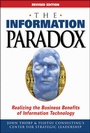
John Thorp
The Information Paradox
Book
11/2003
McGraw Hill Higher Education
€24.75
Article is exhausted; no reprint
Person
John Thorp is a vice-president in the Strategic Consulting Practice at Fujitsu Consulting and heads the Fujitsu Consulting's Center for Strategic Leadership. He is an internationally sought-after management consultant and a frequent speaker with over 35 years of experience in information management. He lives in Victoria, B.C. Canada. Fujitsu Consulting is a leading provider of management and technology consulting services with more than 70 offices worlwide.
Content
Introduction Information Technology: The Best of Times and the Worst of Times
PART 1 - THE INFORMATION PARADOX AND THE BENEFITS REALIZATION SOLUTION
Chapter 1 - The Information Paradox
The Impact of IT on the Economy: The Productivity Issue
Measurement Error
Small Installed Base
Poor Quality Software and Information Systems
Learning Lags
The Impact of IT on the Business: The Profitability Issue
The Impact of IT on Knowledge Workers: The Individual Performance Issue
Information Technology Projects: The Delivery Issue
A Balanced View
Evolving Applications of Information Technology
Automation of Work
Information Management
Business Transformation
Management's Lagging Mind-Set
Silver Bullet Thinking
Management Blind Spots: Four Critical Dimensions of Complexity
Linkage
Reach
People
Time
The Management Challenge: The Evolving Complexity of IT
Applications
Business Transformation and the Knowledge Economy
Selection and the Problem of Relative Value
Window on the Real World: Client Stories
A North American Utility
Alberta Pool
Summary
Chapter 2 - The Benefits Realization Approach
Managing IT-enabled Technological Change: The Benefits Realization Process
Cornerstones of the Benefits Realization Approach
Three Fundamentals
Three Necessary Conditions
Two Techniques to Support Benefits Realization
Modeling
Value Assessment Technique
Managers Must Have Patience: This is Not a Quick Fix
Window on the Real World: Client Stories
Ericsson
Sollac
A Regional Bank in Asia-Pacific
National Bank of Canada
Quebec Workers Compensation Board
Summary
PART II - THREE FUNDAMENTALS
Chapter 3 - First Fundamental: Program Management
Project World: The Blinkered View
Program Universe: The Big Picture
Meshing Technological and Organizational Change
Three Core Components of Program Management
Defining Program Scope: The Blended Investment Perspective
IT as Part of the BTOPP Business System
Programs that Produce Results
How to Assess Program Value: Multiple Dimensions
Translating the Four "Ares" into Measurements
Designing and Managing Programs: Getting from Here to There
Define Benefits and Articulate Linkages
Define Program Scope
Design Program: Map the Benefits Realization Process
Design Program: Select the Best Benefits Realization Path
Define Accountabilities
Address the People Factor
Recognize the Time Factor
Prepare for Risk and Uncertainty
Window on the Real World: Client Stories
Royal Belge
SUNCORP-Metway
Bank of America
SaskTel
Summary
Chapter 4 - Second Fundamental: Portfolio Management
The Manager's Dilemma: Too Many Choices, Too Few Resources
Budget
Gelivery Capabilities of the IT Group
Delivery Capabilities of the Business
Capabilities of the Business To Absorb Change
Program Selection Challenge
Lagging Management Mind-set
Three Selection Blind Spots
The Manager's New Weapon: Portfolio Power
Selecting and Managing Portfolios: Getting from Here to There
Categorize Programs
Prepare Value Cases for Business Opportunity Programs
Manage Risk to Increase Value
Manage and Leverage Program Interdependencies
Adjust Portfolio Composition
Window on the Real World: Client Stories
Transportation Development and Operations Branch, Oregon Department of Transportation (ODOT)
Boeing Shared Services Group, Supplier Management & Procurement
Summary
Chapter 5 - Third Fundamental: Full Cycle Governance
A Major Change in Management Processes, Structures and Attitudes: Practical Steps
Value Cases
Stage Gates and Progressive Resource Commitment
Program Decision Options and Portfolio Composition
Organization Structure and Decision Making
Window on the Real World: Client Stories
Nova Gas Transmission
Summary
PART III - THREE NECESSARY CONDITIONS
Chapter 6 - First Necessary Condition: Activist Accountability
Three Routes to Activist Accountability
Understand the Essence of Activist Accountability
Introduce Seven Plus One Key Conditions for Activist Accountability
Introduce the Accountabilities Required for Full Cycle Governance
Succession Management
Window on the Real World: Client Stories
Nova Gas Transmission
Summary
Chapter 7 - Second Necessary Condition: Relevant Measurement
The "New" Manager: Navigating in the Program Universe
Four Measurement Blind Spots
Benefits Realization Approach to Measurement
Results Chain Models: A Unique Perspective
Managing the Four Dimensions of Complexity with Good Measurement Systems
Designing a Measurement System
Make Sure Measures Exist
Measure the Right Things
Measure Things the Right Way
Managers Must Make Sure Measurement Systems Guide Decisions and Action
Benefits Realization and Other Measurement Approaches
Window on the Real World: Client Stories
Nova Gas Transmission
Summary
Chapter 8 - Third Necessary Condition: Proactive Management of Change
Making Results the Leverage Point of Change
Business Sponsor Responsibility
Only the Business Application of Technology Can Deliver Value
Results-Focused Change Programs: Managing the Four Dimensions of Complexity
First Dimension of Complexity: Linkage
Second Dimension of Complexity: Reach
Third Dimension of Complexity: People
Fourth Dimension of Complexity: Time
Window on the Real World: Client Stories
Montreal Urban Community Police Service
Barclays Bank
The Boeing Company
Quantas Airways
Summary
PART IV - CONCLUSION
Chapter 9 - Getting Started
Define Your Challenge
Range of Solutions
Program Management
Portfolio Management and full Cycle Governance
Support from the Top
Practical Steps: Getting from Here to There
Exlore the Potential of Benefits Realization
Define Scope
Get Organized
Manage Change
Implement Full Cycle Governance (or Program Management)
Surviving and Thriving in a Changing World
Afterword: The Time to Act is Now
Risk Today
Risk Tomorrow
Rewards of Benefits Realization
Results
Glossary
Bibliography
Index
PART 1 - THE INFORMATION PARADOX AND THE BENEFITS REALIZATION SOLUTION
Chapter 1 - The Information Paradox
The Impact of IT on the Economy: The Productivity Issue
Measurement Error
Small Installed Base
Poor Quality Software and Information Systems
Learning Lags
The Impact of IT on the Business: The Profitability Issue
The Impact of IT on Knowledge Workers: The Individual Performance Issue
Information Technology Projects: The Delivery Issue
A Balanced View
Evolving Applications of Information Technology
Automation of Work
Information Management
Business Transformation
Management's Lagging Mind-Set
Silver Bullet Thinking
Management Blind Spots: Four Critical Dimensions of Complexity
Linkage
Reach
People
Time
The Management Challenge: The Evolving Complexity of IT
Applications
Business Transformation and the Knowledge Economy
Selection and the Problem of Relative Value
Window on the Real World: Client Stories
A North American Utility
Alberta Pool
Summary
Chapter 2 - The Benefits Realization Approach
Managing IT-enabled Technological Change: The Benefits Realization Process
Cornerstones of the Benefits Realization Approach
Three Fundamentals
Three Necessary Conditions
Two Techniques to Support Benefits Realization
Modeling
Value Assessment Technique
Managers Must Have Patience: This is Not a Quick Fix
Window on the Real World: Client Stories
Ericsson
Sollac
A Regional Bank in Asia-Pacific
National Bank of Canada
Quebec Workers Compensation Board
Summary
PART II - THREE FUNDAMENTALS
Chapter 3 - First Fundamental: Program Management
Project World: The Blinkered View
Program Universe: The Big Picture
Meshing Technological and Organizational Change
Three Core Components of Program Management
Defining Program Scope: The Blended Investment Perspective
IT as Part of the BTOPP Business System
Programs that Produce Results
How to Assess Program Value: Multiple Dimensions
Translating the Four "Ares" into Measurements
Designing and Managing Programs: Getting from Here to There
Define Benefits and Articulate Linkages
Define Program Scope
Design Program: Map the Benefits Realization Process
Design Program: Select the Best Benefits Realization Path
Define Accountabilities
Address the People Factor
Recognize the Time Factor
Prepare for Risk and Uncertainty
Window on the Real World: Client Stories
Royal Belge
SUNCORP-Metway
Bank of America
SaskTel
Summary
Chapter 4 - Second Fundamental: Portfolio Management
The Manager's Dilemma: Too Many Choices, Too Few Resources
Budget
Gelivery Capabilities of the IT Group
Delivery Capabilities of the Business
Capabilities of the Business To Absorb Change
Program Selection Challenge
Lagging Management Mind-set
Three Selection Blind Spots
The Manager's New Weapon: Portfolio Power
Selecting and Managing Portfolios: Getting from Here to There
Categorize Programs
Prepare Value Cases for Business Opportunity Programs
Manage Risk to Increase Value
Manage and Leverage Program Interdependencies
Adjust Portfolio Composition
Window on the Real World: Client Stories
Transportation Development and Operations Branch, Oregon Department of Transportation (ODOT)
Boeing Shared Services Group, Supplier Management & Procurement
Summary
Chapter 5 - Third Fundamental: Full Cycle Governance
A Major Change in Management Processes, Structures and Attitudes: Practical Steps
Value Cases
Stage Gates and Progressive Resource Commitment
Program Decision Options and Portfolio Composition
Organization Structure and Decision Making
Window on the Real World: Client Stories
Nova Gas Transmission
Summary
PART III - THREE NECESSARY CONDITIONS
Chapter 6 - First Necessary Condition: Activist Accountability
Three Routes to Activist Accountability
Understand the Essence of Activist Accountability
Introduce Seven Plus One Key Conditions for Activist Accountability
Introduce the Accountabilities Required for Full Cycle Governance
Succession Management
Window on the Real World: Client Stories
Nova Gas Transmission
Summary
Chapter 7 - Second Necessary Condition: Relevant Measurement
The "New" Manager: Navigating in the Program Universe
Four Measurement Blind Spots
Benefits Realization Approach to Measurement
Results Chain Models: A Unique Perspective
Managing the Four Dimensions of Complexity with Good Measurement Systems
Designing a Measurement System
Make Sure Measures Exist
Measure the Right Things
Measure Things the Right Way
Managers Must Make Sure Measurement Systems Guide Decisions and Action
Benefits Realization and Other Measurement Approaches
Window on the Real World: Client Stories
Nova Gas Transmission
Summary
Chapter 8 - Third Necessary Condition: Proactive Management of Change
Making Results the Leverage Point of Change
Business Sponsor Responsibility
Only the Business Application of Technology Can Deliver Value
Results-Focused Change Programs: Managing the Four Dimensions of Complexity
First Dimension of Complexity: Linkage
Second Dimension of Complexity: Reach
Third Dimension of Complexity: People
Fourth Dimension of Complexity: Time
Window on the Real World: Client Stories
Montreal Urban Community Police Service
Barclays Bank
The Boeing Company
Quantas Airways
Summary
PART IV - CONCLUSION
Chapter 9 - Getting Started
Define Your Challenge
Range of Solutions
Program Management
Portfolio Management and full Cycle Governance
Support from the Top
Practical Steps: Getting from Here to There
Exlore the Potential of Benefits Realization
Define Scope
Get Organized
Manage Change
Implement Full Cycle Governance (or Program Management)
Surviving and Thriving in a Changing World
Afterword: The Time to Act is Now
Risk Today
Risk Tomorrow
Rewards of Benefits Realization
Results
Glossary
Bibliography
Index