

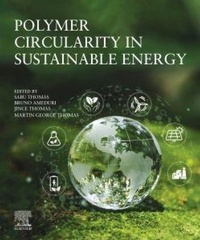
Polymer Circularity in Sustainable Energy
Will be published approx. on 1. September 2026
Book
Paperback/Softback
570 pages
978-0-443-27739-9 (ISBN)
Description
Polymer Circularity in Sustainable Energy offers a comprehensive overview of the recycling and reuse of polymers in specific energy technologies. The book discusses the fundamental aspects of polymer chemistry, global challenges in polymer waste management, regulatory frameworks for polymer recycling, and technological advances in polymer sorting and separation. The initial chapters explore different methods of polymer reuse, including mechanical and chemical recycling, as well as chemical depolymerization for electroactive polymers. Sections then examine the applications of recycled polymers such as polyurethanes, polyvinylidene fluoride, and other polymers in specific energy technologies, including photovoltaics, fuel cells, space energy systems, and battery technologies.
The book also discusses the integration of artificial intelligence in polymer recycling for energy solutions and presents case studies on polymer recycling projects in the energy sector. It further addresses the challenges and opportunities in scaling up polymer recycling infrastructure. It will serve as a valuable reference for researchers and scientists in polymer science and engineering, as well as industry professionals in renewable energy and waste management who are interested on optimizing the use of polymers while minimizing waste generation in the energy industry.
The book also discusses the integration of artificial intelligence in polymer recycling for energy solutions and presents case studies on polymer recycling projects in the energy sector. It further addresses the challenges and opportunities in scaling up polymer recycling infrastructure. It will serve as a valuable reference for researchers and scientists in polymer science and engineering, as well as industry professionals in renewable energy and waste management who are interested on optimizing the use of polymers while minimizing waste generation in the energy industry.
More details
Language
English
Place of publication
Philadelphia
United States
Target group
Professional and scholarly
Product notice
Paperback (trade)
Unsewn / adhesive bound
Dimensions
Height: 235 mm
Width: 191 mm
Weight
449 gr
ISBN-13
978-0-443-27739-9 (9780443277399)
Copyright in bibliographic data and cover images is held by Nielsen Book Services Limited or by the publishers or by their respective licensors: all rights reserved.
Schweitzer Classification
Persons
Prof. Sabu Thomas is a globally renowned scientist and one of the leading researchers in polymer science and nanotechnology. He currently serves as Professor of Polymer Science & Engineering and was the former Vice Chancellor of Mahatma Gandhi University, Kerala, India. Prof. Thomas is internationally recognized for his pioneering work on polymer blends, nanocomposites, green materials, and sustainable polymers. Dr Bruno Ameduri leads the "Fluoropolymers and Energy? team at the Polymer Department of the Institute Charles Gerhardt in Montpellier, France. His main interests focus on the synthesis and the characterization of fluorinated monomers, including cure site monomers and telechelics, telomers, and copolymers for various applications such as F-surfactants, elastomers, coatings, and polymers related to energy (fuel cell membranes, polymer gel electrolytes for Li-ions batteries, electroactive materials and PV).
Dr. Jince Thomas is currently a Postdoctoral Fellow in the Department of Mechanical and Industrial Engineering at the University of Toronto, Canada. He previously served as an Assistant Professor (on contract) at the International and Inter- University Centre for Nanoscience and Nanotechnology, Mahatma Gandhi University, Kerala, India, where he was later awarded the Chief Minister's Nava Kerala Postdoctoral Fellowship. He earned his Ph.D. in Chemistry from Mahatma Gandhi University. Dr. Thomas has contributed to a collaborative Indo- Malaysian research program with Universiti Teknologi MARA, Malaysia, and has held visiting research positions at Ariel University in Israel and the University of Tennessee, Knoxville, USA. He is the author and co- author of numerous peer- reviewed journal articles, book chapters, and edited volumes. His research focuses on polymeric membranes,
electrolytes, polymer nanocomposites, and electrochemical energy systems, with a strong focus on computational simulations to support materials design and performance evaluation Dr. Martin George Thomas is a post-doctoral fellow at the Institute Charles Gerhardt, University of Montpellier, CNRS, France. Dr. Thomas works in the area of recycling and reuse of fluoropolymers being used in membrane applications. Prior to joining the University of Montpellier, he worked as a Research Engineer in Selenis Specialty Polyester Solutions, Italy. Dr. Thomas has completed his undergraduate and postgraduate degrees in the area of polymer science and engineering. He earned his PhD in the domain of polymer materials science/physical chemistry at the University of Pau, France, where he focused on marine-based bio-polymer-based materials. During his undergraduate and master programmes, he has undertaken research internships under the supervision of Prof. Manfred Stamm at the Institute of Polymer Research Dresden (IPF Dresden), Germany, and the University of Maastricht under the guidance of Prof. Sanjay Rastogi in the Netherlands, respectively.
Dr. Jince Thomas is currently a Postdoctoral Fellow in the Department of Mechanical and Industrial Engineering at the University of Toronto, Canada. He previously served as an Assistant Professor (on contract) at the International and Inter- University Centre for Nanoscience and Nanotechnology, Mahatma Gandhi University, Kerala, India, where he was later awarded the Chief Minister's Nava Kerala Postdoctoral Fellowship. He earned his Ph.D. in Chemistry from Mahatma Gandhi University. Dr. Thomas has contributed to a collaborative Indo- Malaysian research program with Universiti Teknologi MARA, Malaysia, and has held visiting research positions at Ariel University in Israel and the University of Tennessee, Knoxville, USA. He is the author and co- author of numerous peer- reviewed journal articles, book chapters, and edited volumes. His research focuses on polymeric membranes,
electrolytes, polymer nanocomposites, and electrochemical energy systems, with a strong focus on computational simulations to support materials design and performance evaluation Dr. Martin George Thomas is a post-doctoral fellow at the Institute Charles Gerhardt, University of Montpellier, CNRS, France. Dr. Thomas works in the area of recycling and reuse of fluoropolymers being used in membrane applications. Prior to joining the University of Montpellier, he worked as a Research Engineer in Selenis Specialty Polyester Solutions, Italy. Dr. Thomas has completed his undergraduate and postgraduate degrees in the area of polymer science and engineering. He earned his PhD in the domain of polymer materials science/physical chemistry at the University of Pau, France, where he focused on marine-based bio-polymer-based materials. During his undergraduate and master programmes, he has undertaken research internships under the supervision of Prof. Manfred Stamm at the Institute of Polymer Research Dresden (IPF Dresden), Germany, and the University of Maastricht under the guidance of Prof. Sanjay Rastogi in the Netherlands, respectively.
Content
1. Fundamentals of Polymer Chemistry
2. Global Challenges in Polymer Waste Management
3. Regulatory Frameworks and Policies for Polymer Recycling
4. Technological Advances in Polymer Sorting and Separation
5. Advancing Polymer Reuse. Mechanical and Chemical Recycling Methods
6. Advances in Chemical Depolymerization for Electroactive Polymers
7. Recycling and Reuse of Polymers in Photovoltaic Technologies
8. Recycling and Reuse of Polymers in Fuel Cells
9. Recycling of Polymers in Space Energy Systems
10. Recycling and Reuse of Conductive Polymers
11. Recycling and Reuse of Fluoropolymers in Battery Technologies
12. Polyvinylidene Fluoride. Recycling and Reuse in Piezoelectric and Triboelectric Technologies
13. Sensing Technologies. Recycling and Reuse of Silicone Rubber
14. Recycled Polyurethanes. Applications in Renewable Energy Technologies
15. Ethylene Propylene Diene Monomer. Reuse and Recycling in Solar Technologies
16. Degradation and Recycling of Perfluorosulfonic Acid Membranes for Fuel Cells
17. Nafion. Circular Strategies for Recovery, Recycling, and Reuse in Energy Applications
18. Polymer Binders in Battery Electrodes. Sustainable Recovery and Recycling Strategies
19. Upcycling of Polymer Waste into High-Value Energy Products
20. Integration of Artificial Intelligence in Polymer Recycling for Energy Solutions
21. Case Studies on Polymer Recycling Projects in the Energy Sector
22. Challenges and Opportunities in Scaling Up Polymer Recycling Infrastructure
2. Global Challenges in Polymer Waste Management
3. Regulatory Frameworks and Policies for Polymer Recycling
4. Technological Advances in Polymer Sorting and Separation
5. Advancing Polymer Reuse. Mechanical and Chemical Recycling Methods
6. Advances in Chemical Depolymerization for Electroactive Polymers
7. Recycling and Reuse of Polymers in Photovoltaic Technologies
8. Recycling and Reuse of Polymers in Fuel Cells
9. Recycling of Polymers in Space Energy Systems
10. Recycling and Reuse of Conductive Polymers
11. Recycling and Reuse of Fluoropolymers in Battery Technologies
12. Polyvinylidene Fluoride. Recycling and Reuse in Piezoelectric and Triboelectric Technologies
13. Sensing Technologies. Recycling and Reuse of Silicone Rubber
14. Recycled Polyurethanes. Applications in Renewable Energy Technologies
15. Ethylene Propylene Diene Monomer. Reuse and Recycling in Solar Technologies
16. Degradation and Recycling of Perfluorosulfonic Acid Membranes for Fuel Cells
17. Nafion. Circular Strategies for Recovery, Recycling, and Reuse in Energy Applications
18. Polymer Binders in Battery Electrodes. Sustainable Recovery and Recycling Strategies
19. Upcycling of Polymer Waste into High-Value Energy Products
20. Integration of Artificial Intelligence in Polymer Recycling for Energy Solutions
21. Case Studies on Polymer Recycling Projects in the Energy Sector
22. Challenges and Opportunities in Scaling Up Polymer Recycling Infrastructure