

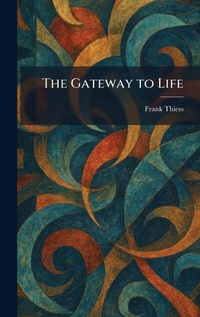
The Gateway to Life
Description
"The Gateway to Life" is a profound and evocative exploration of the turbulent years of adolescence, set within the structured environment of a German gymnasium in the early 20th century. Frank Thiess presents a masterful Bildungsroman that follows a group of schoolboys as they navigate the complexities of intellectual awakening, social pressures, and the internal conflicts that define the transition from youth to adulthood. Through the lens of these young protagonists, the novel delves into the rigid educational systems of the time and the innate desire for personal freedom and self-discovery.
The narrative captures the intensity of first loves, the weight of academic expectations, and the philosophical inquiries that occupy the minds of youth standing on the precipice of a changing world. Thiess provides a sensitive portrayal of character development, illustrating how the experiences of school life shape the moral and emotional landscape of his characters. "The Gateway to Life" remains a significant piece of European literature, offering a timeless reflection on the universal struggles and triumphs of growing up. Its rich prose and psychological depth provide readers with an intimate look into the spiritual and social foundations of a generation caught between tradition and the dawn of a new era.
This work has been selected by scholars as being culturally important, and is part of the knowledge base of civilization as we know it. This work was reproduced from the original artifact, and remains as true to the original work as possible. Therefore, you may see the original copyright references, library stamps (as most of these works have been housed in our most important libraries around the world), and other notations in the work.
This work is in the public domain in the United States of America, and possibly other nations. Within the United States, you may freely copy and distribute this work, as no entity (individual or corporate) has a copyright on the body of the work.
As a reproduction of a historical artifact, this work may contain missing or blurred pages, poor pictures, errant marks, etc. Scholars believe, and we concur, that this work is important enough to be preserved, reproduced, and made generally available to the public. We appreciate your support of the preservation process, and thank you for being an important part of keeping this knowledge alive and relevant.