

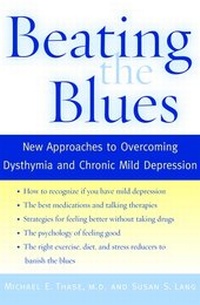
Beating the Blues
New Approaches to Overcoming Dysthymia and Chronic Mild Depression
Published on 15. January 2004
Book
Hardback
206 pages
978-0-19-515918-9 (ISBN)
Description
This is a clear, practical resource for the millions of people plagued by persistent mild depression. One of the most underrecognized and undertreated mood disorders, dysthymia can be treated through self-help measures, psychotherapy, medication, or a combination of all three. This book is designed to offer general information on dysthymia and outline specific measures individuals can take in order to reclaim a positive outlook on life. Practical advice and thorough research will make this the ultimate guide for those who might otherwise have resigned themselves to a lifetime of apathy, lethargy, and pessimism.
More details
Language
English
Place of publication
New York
United States
Target group
Patients and practitioners
Illustrations
num. text boxes, 5 Abbildungen
5 line illustrations & numerous text boxes
ISBN-13
978-0-19-515918-9 (9780195159189)
Copyright in bibliographic data and cover images is held by Nielsen Book Services Limited or by the publishers or by their respective licensors: all rights reserved.
Schweitzer Classification
Other editions
Additional editions
Michael E. M. D. Thase | Susan S. Lang
Beating the Blues
New Approaches to Overcoming Dysthymia and Chronic Mild Depression
E-Book
01/2004
1st Edition
OUP USA
€15.49
Available for download
Michael E. M. D. Thase | Susan S. Lang
Beating the Blues
New Approaches to Overcoming Dysthymia and Chronic Mild Depression
E-Book
01/2004
1st Edition
OUP USA
€15.49
Available for download
Persons
MICHAEL E. THASE, Professor of Psychiatry and Medical Director of the Mood Disorders Module, University of Pittsburgh School of Medicine, and SUSAN S. LANG, Senior Science Writer, Cornell University
Content
PART I: UNDERSTANDING DYSTHYMIA AND ITS MILDER FORMS; 1. What is Dysthymia?; 2. The Spectrum of Dysthymia and Depression; 3. How Dysthymia is Diagnosed; 4. Who Gets Dysthymia and Why: Causes and Risk Factors; PART II: HOW TO FEEL BETTER; 5. The Psychology of Feeling Good; 6. Psychotherapy; 7. Medications; 8. Exercise and Nutrition; 9. Herbal and Other Supplements; 10. Supplemental Strategies; PART III: SPECIAL CONCERNS OF VARIOUS POPULATIONS; 11. Dysthymia in Children, Adolescents and Young Adults; 12. Gender and Dysthymia; 13. Dysthymia and Ageing; Conclusion: Putting It All Together; Appendix I: Daily Symptom Log; Appendix II: Most Commonly Used Antidepressants for Dysthymia; Appendix III: Resources