

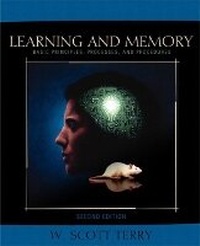
Learning and Memory
Basic Principles, Processes, and Procedures
2nd Edition
Published on 8. October 2002
Book
Hardback
462 pages
978-0-205-35462-7 (ISBN)
Description
This comprehensive text explores the core principles of learning and memory in a clear, reader-friendly style, covering animal learning and human memory in a balanced fashion.
More details
Edition
2nd edition
Language
English
Place of publication
New York
United States
Publishing group
Taylor & Francis Inc
Target group
Professional and scholarly
Dimensions
Height: 196 mm
Width: 243 mm
Thickness: 26 mm
Weight
923 gr
ISBN-13
978-0-205-35462-7 (9780205354627)
Copyright in bibliographic data and cover images is held by Nielsen Book Services Limited or by the publishers or by their respective licensors: all rights reserved.
Schweitzer Classification
Other editions
New editions
Book
07/2005
3rd Edition
Routledge
Unfortunately, price unknown
No shipping information available
Content
Each chapter includes "Introduction," "Summary," and "Box."
1. Introduction.
The Origins of the Study of Learning.
The Definition of Learning.
The Learning/Performance Distinction.
The Relationship between the Terms "Learning" and "Memory."
Basic and Applied Research.
Conceptual Approaches to the Study of Learning.
2. Habituation and Other Forms of Simple Stimulus Learning.
The Orienting Response.
Habituation.
Explanations of Habituation.
Other Effects of Stimulus Exposure.
Applications.
3. Classical Conditioning.
The Definition of Classical Conditioning.
Methods of Studying Classical Conditioning.
Basic Phenomena of Conditioning.
The Role of Contiguity.
Other Factors Affecting Conditioning.
What Is Learned in Classical Conditioning?
Extensions of Conditioning.
Applications of Conditioning.
4. Instrumental Learning: Reward.
Definition and History.
Methods of Study.
Positive Reinforcement.
Reinforcement Variables Affecting Acquisition.
Theories of Reinforcement.
Is Reinforcement Necessary for Learning?
Conscious Awareness in Human Instrumental Learning.
Criticisms of the Use of Reinforcement.
Response Learning.
Discriminative Stimulus Control.
What Is Learned in Instrumental Conditioning?
Applications.
5. Instrumental Conditioning: Nonreward, Punishment, and Avoidance.
Defining the Contingencies: Nonreward, Punishment, and Avoidance.
Nonreward.
Punishment.
Persistence.
Avoidance Learning.
Learned Helplessness.
Applications of Aversive Learning Contingencies.
6. Verbal Learning.
The Ebbinghaus Legacy.
Serial Learning.
Paired-Associate Learning.
Free Recall.
Available Versus Accessible Memories.
Relationships Among the Verbal-Learning Tasks.
Application: Mnemonics.
7. Human Memory: Conceptual Approaches.
Partitioning Memory.
Components of Memory Approach.
Stages of Memory.
Processing Approaches.
Connectionist Models.
Applications.
8. Short-Term Retention.
Definitions.
Short-Term Memory Tasks.
Characteristics of Verbal Short-Term Retention.
Other Modalities of Short-Term Memory.
Working Memory.
Is There Really a Separate STM?
Applications.
9. Encoding.
Separating Encoding from Retrieval.
Some Basic Variables in Encoding.
Presentation Variables.
Learner Variables.
Schemas.
Metamemory.
Applications.
10. Storage and Retrieval.
Storage.
Retrieval.
Remembering to Remember.
Metamemory and Partial Retrieval.
False Retrieval.
Retrieval versus Reconstruction.
Automatic Retrieval.
Applications.
11. Spatial, Motor-Skill, and Implicit Learning.
Spatial Learning.
Motor-Skills Learning.
Implicit Learning.
Expertise.
Applications.
12. Individual Differences in Learning and Memory.
The Nature of Nurture: The Genetics of Learning Ability.
Age Differences in Learning and Memory.
Intellectual Deficits.
Exceptional Memory: The Mnemonists.
Gender and Cognitive Abilities.
Personality and Learning.
Learning Styles.
Social and Cultural Differences.
References.
Index.
1. Introduction.
The Origins of the Study of Learning.
The Definition of Learning.
The Learning/Performance Distinction.
The Relationship between the Terms "Learning" and "Memory."
Basic and Applied Research.
Conceptual Approaches to the Study of Learning.
2. Habituation and Other Forms of Simple Stimulus Learning.
The Orienting Response.
Habituation.
Explanations of Habituation.
Other Effects of Stimulus Exposure.
Applications.
3. Classical Conditioning.
The Definition of Classical Conditioning.
Methods of Studying Classical Conditioning.
Basic Phenomena of Conditioning.
The Role of Contiguity.
Other Factors Affecting Conditioning.
What Is Learned in Classical Conditioning?
Extensions of Conditioning.
Applications of Conditioning.
4. Instrumental Learning: Reward.
Definition and History.
Methods of Study.
Positive Reinforcement.
Reinforcement Variables Affecting Acquisition.
Theories of Reinforcement.
Is Reinforcement Necessary for Learning?
Conscious Awareness in Human Instrumental Learning.
Criticisms of the Use of Reinforcement.
Response Learning.
Discriminative Stimulus Control.
What Is Learned in Instrumental Conditioning?
Applications.
5. Instrumental Conditioning: Nonreward, Punishment, and Avoidance.
Defining the Contingencies: Nonreward, Punishment, and Avoidance.
Nonreward.
Punishment.
Persistence.
Avoidance Learning.
Learned Helplessness.
Applications of Aversive Learning Contingencies.
6. Verbal Learning.
The Ebbinghaus Legacy.
Serial Learning.
Paired-Associate Learning.
Free Recall.
Available Versus Accessible Memories.
Relationships Among the Verbal-Learning Tasks.
Application: Mnemonics.
7. Human Memory: Conceptual Approaches.
Partitioning Memory.
Components of Memory Approach.
Stages of Memory.
Processing Approaches.
Connectionist Models.
Applications.
8. Short-Term Retention.
Definitions.
Short-Term Memory Tasks.
Characteristics of Verbal Short-Term Retention.
Other Modalities of Short-Term Memory.
Working Memory.
Is There Really a Separate STM?
Applications.
9. Encoding.
Separating Encoding from Retrieval.
Some Basic Variables in Encoding.
Presentation Variables.
Learner Variables.
Schemas.
Metamemory.
Applications.
10. Storage and Retrieval.
Storage.
Retrieval.
Remembering to Remember.
Metamemory and Partial Retrieval.
False Retrieval.
Retrieval versus Reconstruction.
Automatic Retrieval.
Applications.
11. Spatial, Motor-Skill, and Implicit Learning.
Spatial Learning.
Motor-Skills Learning.
Implicit Learning.
Expertise.
Applications.
12. Individual Differences in Learning and Memory.
The Nature of Nurture: The Genetics of Learning Ability.
Age Differences in Learning and Memory.
Intellectual Deficits.
Exceptional Memory: The Mnemonists.
Gender and Cognitive Abilities.
Personality and Learning.
Learning Styles.
Social and Cultural Differences.
References.
Index.