

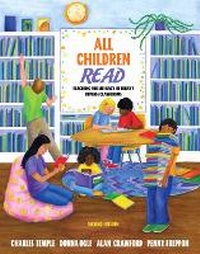
All Children Read
Teaching for Literacy in Today's Diverse Classroom
2nd Edition
Published on 27. April 2007
Book
Paperback/Softback
592 pages
978-0-205-51731-2 (ISBN)
Description
Written by one of the most dynamic author teams in the field of Reading and Literacy, the second edition of All Children Read continues to offer K-8 teachers the best practices for nurturing emergent literacy, teaching early literacy concepts, and developing reading and writing in all students - those of varying reading levels and abilities, as well as those who are English language learners. The new edition increases its emphasis on the professional aspects of literacy instruction, and also includes significant new coverage of fluency and vocabulary, differentiated instruction (and connections to the SIOP), and the all-important topics of literacy assessment. Central to the text are the six overriding themes--the troubled reader, family/community literacy, technology, writing and reading connections, language diversity, and phonics/phonetic awareness---interwoven throughout, making this book the most contemporary and critical learning aid to come out in the field in years.
More details
Edition
2nd edition
Language
English
Place of publication
United States
Publishing group
Pearson Education (US)
Target group
Professional and scholarly
Dimensions
Height: 276 mm
Width: 216 mm
Weight
1182 gr
ISBN-13
978-0-205-51731-2 (9780205517312)
Copyright in bibliographic data and cover images is held by Nielsen Book Services Limited or by the publishers or by their respective licensors: all rights reserved.
Schweitzer Classification
Other editions
Previous edition
Charles A. Temple | Donna Ogle | Alan N. Crawford
All Children Read
Teaching for Literacy in Today's Diverse Classrooms (Book Alone)
Book
11/2004
Pearson
€71.79
Article exhausted; check for reprint
Content
Part I: The Literary Process
Chapter 1. The Reading Process
Chapter 2. The Social Contexts for Teaching All Children to Read
Chapter 3. What Teachers Need to Know about Language
Part II: Aspects of Reading
Chapter 4. Emergent Literacy
Chapter 5. Building Word Knowledge
Chapter 6. Fluency and Vocabulary
Chapter 7. Comprehension: Using and Responding to Narrative Texts
Chapter 8. Comprehension: Understanding and Learning from Informational Texts
Chapter 9. The Writing Process
PART III: Organizing and Managing the Literacy Program
Chapter 10: Assessment Chapter 11. Putting Effective Literacy Instruction into Practice ( Grades K to 2)
Chapter 12. Putting Effective Literacy Instruction into Practice: Grades Three to Five
Chapter 13. Reading in the Middle Grades: Grades Six to Eight
Chapter 14. Models and Strategies for Teaching Reading in the Mother Tongue
Chapter 1. The Reading Process
Chapter 2. The Social Contexts for Teaching All Children to Read
Chapter 3. What Teachers Need to Know about Language
Part II: Aspects of Reading
Chapter 4. Emergent Literacy
Chapter 5. Building Word Knowledge
Chapter 6. Fluency and Vocabulary
Chapter 7. Comprehension: Using and Responding to Narrative Texts
Chapter 8. Comprehension: Understanding and Learning from Informational Texts
Chapter 9. The Writing Process
PART III: Organizing and Managing the Literacy Program
Chapter 10: Assessment Chapter 11. Putting Effective Literacy Instruction into Practice ( Grades K to 2)
Chapter 12. Putting Effective Literacy Instruction into Practice: Grades Three to Five
Chapter 13. Reading in the Middle Grades: Grades Six to Eight
Chapter 14. Models and Strategies for Teaching Reading in the Mother Tongue