

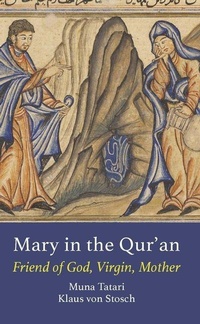
Mary in the Qur'an
Friend of God, Virgin, Mother
Published on 10. April 2025
Book
Paperback/Softback
342 pages
978-1-914983-27-6 (ISBN)
Description
An entire chapter (surah) is dedicated to her, and she is the only woman mentioned by name in the Qur'an-indeed, her name appears more frequently than that of either Muhammad or Jesus. From the earliest times to the present day, Mary, the mother of Jesus, continues to be held in high regard by Christians and Muslims alike, yet she has also been the cause of much tension between these two religions.
In this groundbreaking study, Muna Tatari and Klaus von Stosch painstakingly reconstruct the picture of Mary that is presented in the Qur'an and show how veneration of the Blessed Virgin Mary in the Roman Catholic Church intersects and interacts with the testimony of the Qur'an. This sensitive and scholarly treatise offers a significant contribution to contemporary interfaith dialogue.
In this groundbreaking study, Muna Tatari and Klaus von Stosch painstakingly reconstruct the picture of Mary that is presented in the Qur'an and show how veneration of the Blessed Virgin Mary in the Roman Catholic Church intersects and interacts with the testimony of the Qur'an. This sensitive and scholarly treatise offers a significant contribution to contemporary interfaith dialogue.
More details
Series
Language
English
Place of publication
London
United Kingdom
Target group
Professional and scholarly
Product notice
Paperback (UK-trade)
Dimensions
Height: 216 mm
Width: 136 mm
Thickness: 24 mm
Weight
376 gr
ISBN-13
978-1-914983-27-6 (9781914983276)
Copyright in bibliographic data and cover images is held by Nielsen Book Services Limited or by the publishers or by their respective licensors: all rights reserved.
Schweitzer Classification
Persons
Muna Tatari is Professor of Islamic Systematic Theology at the University of Paderborn and is a member of the German ethics council.
Klaus von Stosch is Schlegel-Professor for Systematic Theology and head of the International Center for Comparative Theology and Social Issues at the Catholic Theological Faculty of Bonn University.
Klaus von Stosch is Schlegel-Professor for Systematic Theology and head of the International Center for Comparative Theology and Social Issues at the Catholic Theological Faculty of Bonn University.
Content
Note on Transcription ix Introduction 1
I. MARY IN THE CHRISTIAN TRADITION
1. Mary in the Bible
a) Mary in the Corpus Paulinum and the Gospel of Mark
b) Mary in the Gospel of Matthew
c) Mary in the Gospel of Luke
d) Mary in the Gospel of John
e) Summary
2. Mary in Patristics
a) The Protevangelium of James
b) Mary as the New Eve
c) Mary as the archetype of the Church
d) Mary's purity and lack of sin
e) Virginity and labour pains
3. Dogmatic Precepts of Mariology
a) Perpetual virginity
b) Mary as the new human being freed from original sin
c) Other dogmatic precepts
4. Mary in the Political Theology of Late Antiquity
a) The political situation during the emergence of the Qur?an
b) The religious propaganda of Heraclius
c) Mary as military commander
d) Jewish apocalyptic counter-images
II. MARY IN THE QUR?AN
1. The Surah Maryam
a) Zechariah and John the Baptist
b) Mary's withdrawal and the proclamation of Jesus's birth
c) Pregnancy and birth
d) Mary's conflicts and Jesus as the bringer of peace
e) Mary as the mother of Jesus and as a prophet?
f) Summary
2. The Surah A?l ?Imra?n
a) On the genealogy of Mary
b) Mary's birth and childhood - the connection with Zechariah
c) The first Annunciation scene
d) The second Annunciation scene
e) Other verses from the Medinan period prior to the confrontation with Byzantium
f) Summary
3. The Surah al-Ma??ida
a) Criticism of the political Mariology of Byzantium
b) Criticism of the imperial downplaying of Mary's humanity
c) On the significance of Mary's eating
d) Limits and opportunities of the presentation of Mary in the Surah al-Ma??ida
III. MARY IN THE CONTEXT OF ISLAMIC SYSTEMATIC
THEOLOGY
1. The Qur?anic Mary as an Impulse for Prophetology
a) The portrayal of Mary as an impulse for Islamic prophetology
b) On the meaning of vulnerability in the relationship with God
c) Was Mary a prophet?
2. The Qur?anic Mary as a Stimulus to a Traditional
Understanding of God's Actions
a) Distinctions in the perception of miracles in classical scholastic theology
b) On the crisis of the classical perception of the concept of miracles in the modern period and its consequences for the distinctions drawn by classical theology
c) A reappraisal of our understanding of miracles through the Qur?anic Mary
d) Mary and Muhammad
3. Mary as a Figure of Emancipation
a) The story of Mary in the Qur?an as a stimulus for greater
gender equality
b) Mary as a boundary breaker
c) Mary as a stumbling-block and an incitement to subversion
4. Mary as an Aesthetic Role Model
a) An invitation to visibly reserve something for God alone
b) An invitation to a culture of disruption and renunciation
5. In Dialogue with Christianity
a) Obstacles to dialogue
b) Between appropriation and syncretism
c) A warning against projecting
IV. IMPLICATIONS FOR COMPARATIVE THEOLOGY
1. Christian Perspectives
a) Intensification: freedom through devotion
b) Recovery: Mary as a prophet and as a protagonist of anti-imperial theology
c) Reinterpretation: Mary as a transgressor of boundaries
d) Appropriation: from a Christian mascot to a typological figure binding together religions
e) Rectification: rehabilitation of a Mariology based on prerogatives
f) Reaffirmation: Mary's lowliness as a pointer to God's kenosis
2. Islamic Perspectives
a) Intensification: on the beauty and the political significance of Mary
b) Recovery: Muhammad's special connection with Mary
c) Reinterpretation: on the dialectical interconnectedness of 'Yes' and 'No' before God - clarity in the process
d) appropriation: Mary and God's unqualified gift of grace
e) Rectification: Mary as a warning to exercise care in passing theological judgement on others
f) Reaffirmation: radicalism and the Golden Mean
Bibliography
Index
I. MARY IN THE CHRISTIAN TRADITION
1. Mary in the Bible
a) Mary in the Corpus Paulinum and the Gospel of Mark
b) Mary in the Gospel of Matthew
c) Mary in the Gospel of Luke
d) Mary in the Gospel of John
e) Summary
2. Mary in Patristics
a) The Protevangelium of James
b) Mary as the New Eve
c) Mary as the archetype of the Church
d) Mary's purity and lack of sin
e) Virginity and labour pains
3. Dogmatic Precepts of Mariology
a) Perpetual virginity
b) Mary as the new human being freed from original sin
c) Other dogmatic precepts
4. Mary in the Political Theology of Late Antiquity
a) The political situation during the emergence of the Qur?an
b) The religious propaganda of Heraclius
c) Mary as military commander
d) Jewish apocalyptic counter-images
II. MARY IN THE QUR?AN
1. The Surah Maryam
a) Zechariah and John the Baptist
b) Mary's withdrawal and the proclamation of Jesus's birth
c) Pregnancy and birth
d) Mary's conflicts and Jesus as the bringer of peace
e) Mary as the mother of Jesus and as a prophet?
f) Summary
2. The Surah A?l ?Imra?n
a) On the genealogy of Mary
b) Mary's birth and childhood - the connection with Zechariah
c) The first Annunciation scene
d) The second Annunciation scene
e) Other verses from the Medinan period prior to the confrontation with Byzantium
f) Summary
3. The Surah al-Ma??ida
a) Criticism of the political Mariology of Byzantium
b) Criticism of the imperial downplaying of Mary's humanity
c) On the significance of Mary's eating
d) Limits and opportunities of the presentation of Mary in the Surah al-Ma??ida
III. MARY IN THE CONTEXT OF ISLAMIC SYSTEMATIC
THEOLOGY
1. The Qur?anic Mary as an Impulse for Prophetology
a) The portrayal of Mary as an impulse for Islamic prophetology
b) On the meaning of vulnerability in the relationship with God
c) Was Mary a prophet?
2. The Qur?anic Mary as a Stimulus to a Traditional
Understanding of God's Actions
a) Distinctions in the perception of miracles in classical scholastic theology
b) On the crisis of the classical perception of the concept of miracles in the modern period and its consequences for the distinctions drawn by classical theology
c) A reappraisal of our understanding of miracles through the Qur?anic Mary
d) Mary and Muhammad
3. Mary as a Figure of Emancipation
a) The story of Mary in the Qur?an as a stimulus for greater
gender equality
b) Mary as a boundary breaker
c) Mary as a stumbling-block and an incitement to subversion
4. Mary as an Aesthetic Role Model
a) An invitation to visibly reserve something for God alone
b) An invitation to a culture of disruption and renunciation
5. In Dialogue with Christianity
a) Obstacles to dialogue
b) Between appropriation and syncretism
c) A warning against projecting
IV. IMPLICATIONS FOR COMPARATIVE THEOLOGY
1. Christian Perspectives
a) Intensification: freedom through devotion
b) Recovery: Mary as a prophet and as a protagonist of anti-imperial theology
c) Reinterpretation: Mary as a transgressor of boundaries
d) Appropriation: from a Christian mascot to a typological figure binding together religions
e) Rectification: rehabilitation of a Mariology based on prerogatives
f) Reaffirmation: Mary's lowliness as a pointer to God's kenosis
2. Islamic Perspectives
a) Intensification: on the beauty and the political significance of Mary
b) Recovery: Muhammad's special connection with Mary
c) Reinterpretation: on the dialectical interconnectedness of 'Yes' and 'No' before God - clarity in the process
d) appropriation: Mary and God's unqualified gift of grace
e) Rectification: Mary as a warning to exercise care in passing theological judgement on others
f) Reaffirmation: radicalism and the Golden Mean
Bibliography
Index