

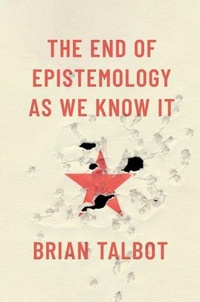
The End of Epistemology As We Know It
Published on 26. February 2024
Book
Hardback
272 pages
978-0-19-774363-8 (ISBN)
Description
In The End of Epistemology As We Know It Brian Talbot explores various ways in which epistemic norms could matter, and shows how epistemic norms as standardly understood fall short on each. He argues that we can and should replace existing norms with norms that matter more. These replacement norms will be quite different from the norms standardly accepted by philosophers.
In whichever way we try to explain the importance of the epistemic, it does not matter at all what we believe about most topics or why we believe it. When what we believe does matter, it is often not particularly important that our beliefs are true, but rather just that they are good enough for our purposes. When the truth is not what really matters, then no truth-connected epistemic notions, such as reliability, evidence, coherence, accuracy, or knowledge, are really normatively significant. Even when truth is genuinely important, Talbot argues, the standard epistemic norms do not properly aim at truth, because they do not allow us to sacrifice one true belief for the sake of others. In light of all of this, epistemic norms as standardly conceived are not really concerned with what matters.
Talbot explains how epistemic norms that genuinely matter should replace truth-based epistemic notions with conceptions of success, reasons, and justification aimed at the "good enough." These new norms will require us to form some seemingly bad beliefs--beliefs that violate all standard norms by going against our evidence, being incoherent, or even being clearly false--in order to improve other beliefs. In fact, they will sometimes allow our beliefs to be bad for no reason whatsoever. These arguments open the door for new projects in epistemology. They reveal the need for new accounts of epistemic goodness and rationality, and illuminate how to rigorously pursue these in ways that are genuinely attuned to what is worthwhile.
In whichever way we try to explain the importance of the epistemic, it does not matter at all what we believe about most topics or why we believe it. When what we believe does matter, it is often not particularly important that our beliefs are true, but rather just that they are good enough for our purposes. When the truth is not what really matters, then no truth-connected epistemic notions, such as reliability, evidence, coherence, accuracy, or knowledge, are really normatively significant. Even when truth is genuinely important, Talbot argues, the standard epistemic norms do not properly aim at truth, because they do not allow us to sacrifice one true belief for the sake of others. In light of all of this, epistemic norms as standardly conceived are not really concerned with what matters.
Talbot explains how epistemic norms that genuinely matter should replace truth-based epistemic notions with conceptions of success, reasons, and justification aimed at the "good enough." These new norms will require us to form some seemingly bad beliefs--beliefs that violate all standard norms by going against our evidence, being incoherent, or even being clearly false--in order to improve other beliefs. In fact, they will sometimes allow our beliefs to be bad for no reason whatsoever. These arguments open the door for new projects in epistemology. They reveal the need for new accounts of epistemic goodness and rationality, and illuminate how to rigorously pursue these in ways that are genuinely attuned to what is worthwhile.
Reviews / Votes
This is a fresh take on epistemic norms, and this reviewer hopes that Talbot will return to the topic with fresh suggestions for nonstandard norms that do matter. * Choice *More details
Language
English
Place of publication
New York
United States
Target group
Professional and scholarly
Product notice
sewn/stitched
Cloth over boards
Dimensions
Height: 203 mm
Width: 147 mm
Thickness: 38 mm
Weight
431 gr
ISBN-13
978-0-19-774363-8 (9780197743638)
Copyright in bibliographic data and cover images is held by Nielsen Book Services Limited or by the publishers or by their respective licensors: all rights reserved.
Schweitzer Classification
Other editions
Additional editions
Brian Talbot
The End of Epistemology As We Know It
E-Book
12/2023
OUP eBook
€57.99
Available for download
Brian Talbot
The End of Epistemology As We Know It
E-Book
12/2023
OUP eBook
€57.99
Available for download
Person
Brian Talbot is Assistant Professor of Philosophy at the University of Colorado Boulder. He previously taught at Washington University, St. Louis and also holds a law degree.
Content
Preface
1: The importance of epistemic norms demands an explanation
2. Consequentialist vindication
3. Responding to some fundamental objections
4. Respect-based vindication
5. Epistemic norms and action
6. Social vindication
7. Tying up loose ends
8. Speculation about replacement epistemic norms
References
1: The importance of epistemic norms demands an explanation
2. Consequentialist vindication
3. Responding to some fundamental objections
4. Respect-based vindication
5. Epistemic norms and action
6. Social vindication
7. Tying up loose ends
8. Speculation about replacement epistemic norms
References