


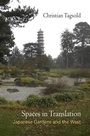
Spaces in Translation
Japanese Gardens and the West
Published on 26. September 2017
Book
Hardback
256 pages
978-0-8122-4674-2 (ISBN)
Description
One may visit famous gardens in Tokyo, Kyoto, or Osaka-or one may visit Japanese-styled gardens in New York, San Francisco, Philadelphia, Berlin, London, Paris, SAo Paulo, or Singapore. We often view these gardens as representative of the essence of Japanese culture. Christian Tagsold argues, however, that the idea of the Japanese garden has less do to with Japan's history and traditions, and more to do with its interactions with the West.
The first Japanese gardens in the West appeared at the world's fairs in Vienna in 1873 and Philadelphia in 1876 and others soon appeared in museums, garden expositions, the estates of the wealthy, and public parks. By the end of the nineteenth century, the Japanese garden, described as mystical and attuned to nature, had usurped the popularity of the Chinese garden, so prevalent in the eighteenth century. While Japan sponsored the creation of some gardens in a series of acts of cultural diplomacy, the Japanese style was interpreted and promulgated by Europeans and Americans as well. But the fashion for Japanese gardens would decline in inverse relation to the rise of Japanese militarism in the 1930s, their rehabilitation coming in the years following World War II, with the rise of the Zen meditation garden style that has come to dominate the Japanese garden in the West.
Tagsold has visited over eighty gardens in ten countries with an eye to questioning how these places signify Japan in non-Japanese geographical and cultural contexts. He ponders their history, the reasons for their popularity, and their connections to geopolitical events, explores their shifting aesthetic, and analyzes those elements which convince visitors that these gardens are "authentic." He concludes that a constant process of cultural translation between Japanese and Western experts and commentators marked these spaces as expressions of otherness, creating an idea of the Orient and its distinction from the West.
The first Japanese gardens in the West appeared at the world's fairs in Vienna in 1873 and Philadelphia in 1876 and others soon appeared in museums, garden expositions, the estates of the wealthy, and public parks. By the end of the nineteenth century, the Japanese garden, described as mystical and attuned to nature, had usurped the popularity of the Chinese garden, so prevalent in the eighteenth century. While Japan sponsored the creation of some gardens in a series of acts of cultural diplomacy, the Japanese style was interpreted and promulgated by Europeans and Americans as well. But the fashion for Japanese gardens would decline in inverse relation to the rise of Japanese militarism in the 1930s, their rehabilitation coming in the years following World War II, with the rise of the Zen meditation garden style that has come to dominate the Japanese garden in the West.
Tagsold has visited over eighty gardens in ten countries with an eye to questioning how these places signify Japan in non-Japanese geographical and cultural contexts. He ponders their history, the reasons for their popularity, and their connections to geopolitical events, explores their shifting aesthetic, and analyzes those elements which convince visitors that these gardens are "authentic." He concludes that a constant process of cultural translation between Japanese and Western experts and commentators marked these spaces as expressions of otherness, creating an idea of the Orient and its distinction from the West.
Reviews / Votes
"Christian Tagsold provides a detailed social and intellectual history and a phenomenological study all at once. There is nothing remotely like this book, and with it, Tagsold becomes a central figure in the study of Japanese gardens." (Kendall Brown, California State University, Long Beach)More details
Series
Language
English
Place of publication
Pennsylvania
United States
Target group
College/higher education
Product notice
Paper over boards
Illustrations
47 illus.
Dimensions
Height: 238 mm
Width: 163 mm
Thickness: 25 mm
Weight
561 gr
ISBN-13
978-0-8122-4674-2 (9780812246742)
Copyright in bibliographic data and cover images is held by Nielsen Book Services Limited or by the publishers or by their respective licensors: all rights reserved.
Schweitzer Classification
Other editions
Additional editions
E-Book
09/2017
1st Edition
University of Pennsylvania Press
€68.49
Available for download
Person
Christian Tagsold is Associate Professor at the Institute for Modern Japanese Studies, University of Dusseldorf.
Content
Introduction
Chapter 1. From China to Japan: The History of Asian Spaces
Chapter 2. Discourses of Spaces
Chapter 3. Spreading the Japanese Garden Worldwide
Chapter 4. Between Essence and Invention
Chapter 5. Zen and the Art of Gardens
Chapter 6. Elements of the Japanese Garden
Chapter 7. Authoritarian Gardens
Chapter 8. Connecting Spaces, Disconnecting Spaces
Chapter 9. Postmodernizing Japanese Gardens
Conclusion
Notes
Bibliography
Index
Acknowledgments
Chapter 1. From China to Japan: The History of Asian Spaces
Chapter 2. Discourses of Spaces
Chapter 3. Spreading the Japanese Garden Worldwide
Chapter 4. Between Essence and Invention
Chapter 5. Zen and the Art of Gardens
Chapter 6. Elements of the Japanese Garden
Chapter 7. Authoritarian Gardens
Chapter 8. Connecting Spaces, Disconnecting Spaces
Chapter 9. Postmodernizing Japanese Gardens
Conclusion
Notes
Bibliography
Index
Acknowledgments