

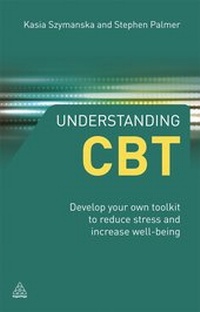
Understanding CBT
Develop Your Own Toolkit to Reduce Stress and Increase Well-being
1st Edition
Published on 3. June 2012
Book
Paperback/Softback
184 pages
978-0-7494-5966-6 (ISBN)
Description
Cognitive Behavioural Therapy is not just useful in therapeutic and mental health settings, but is now widely recognised as a valuable tool in the workplace. Understanding CBT introduces the basics of cognitive behavioural therapy and provides insights into how you can change the way you think, stand up to anxiety, face fear, develop assertiveness defuse anger and develop new beliefs and attitudes. It offers practical workplace change techniques that can help you to transform stressful situations by changing the way you think and behave. Packed with real life examples and helpful tips, this jargon-free guide is for anyone who wants to know more about CBT and what it can do for them.
More details
Language
English
Place of publication
London
United Kingdom
Target group
College/higher education
Professional and scholarly
Product notice
Paperback (trade)
Dimensions
Height: 216 mm
Width: 139 mm
Thickness: 10 mm
Weight
235 gr
ISBN-13
978-0-7494-5966-6 (9780749459666)
Copyright in bibliographic data and cover images is held by Nielsen Book Services Limited or by the publishers or by their respective licensors: all rights reserved.
Schweitzer Classification
Persons
Kasia Szymanska is a Chartered Psychologist, an accredited cognitive behavioural psychotherapist and an Associate Fellow of the British Psychological Society. She works both as a psychotherapist and a coaching psychologist.
Professor Stephen Palmer is Honorary Professor of Psychology at City University and Director of the Coaching Psychology Unit (the first university based coaching psychology unit to be set up in the UK). He is also Founder Director of the Centre for Stress Management and has written and edited over 20 books on stress management and counselling.
Professor Stephen Palmer is Honorary Professor of Psychology at City University and Director of the Coaching Psychology Unit (the first university based coaching psychology unit to be set up in the UK). He is also Founder Director of the Centre for Stress Management and has written and edited over 20 books on stress management and counselling.
Content
Chapter - 00: Introduction;
Chapter - 01: How does the cognitive behaviour approach work?;
Chapter - 02: How to recognize and manage unhelpful or inflexible thinking patterns;
Chapter - 03: Behavioural techniques;
Chapter - 04: How to use imagery to cope with strong emotions and unhelpful thinking;
Chapter - 05: Understanding and managing anxiety, panic and phobias;
Chapter - 06: Dealing with worry;
Chapter - 07: Managing stress;
Chapter - 08: How to manage your angry feelings;
Chapter - 09: Managing responses to trauma;
Chapter - 10: Conquering depression;
Chapter - 11: Managing workplace bullying;
Chapter - 12: Developing assertiveness techniques;
Chapter - 13: Developing time-management skills and overcoming procrastination;
Chapter - 14: Dealing with difficult people
Chapter - 01: How does the cognitive behaviour approach work?;
Chapter - 02: How to recognize and manage unhelpful or inflexible thinking patterns;
Chapter - 03: Behavioural techniques;
Chapter - 04: How to use imagery to cope with strong emotions and unhelpful thinking;
Chapter - 05: Understanding and managing anxiety, panic and phobias;
Chapter - 06: Dealing with worry;
Chapter - 07: Managing stress;
Chapter - 08: How to manage your angry feelings;
Chapter - 09: Managing responses to trauma;
Chapter - 10: Conquering depression;
Chapter - 11: Managing workplace bullying;
Chapter - 12: Developing assertiveness techniques;
Chapter - 13: Developing time-management skills and overcoming procrastination;
Chapter - 14: Dealing with difficult people