

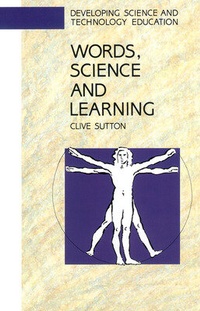
WORDS, SCIENCE AND LEARNING
Published on 16. June 1992
Book
Paperback/Softback
100 pages
978-0-335-09956-6 (ISBN)
Description
Despite the power of words to move minds, appreciating the written or spoken word is rarely thought to be the essence of teaching and learning science and much more effort goes into organizing practical work. There is an exaggerated confidence in the value of the direct experience of things as opposed to "mere words", and a corresponding neglect of how words are actually involved in developing anyone's scientific understanding. Clive Sutton does not wish to deny the value of first hand scientific understanding, and shows that they cannot just be taken for granted while we busy ourselves in the organization of practical work. He explores the role of language in the growth of science itself, in the growth of learners' ideas, and in classroom practice; and how these relate, for instance, to some pupils' alienation from science and the isolation of science in the curriculum.
More details
Other editions
Additional editions
Unknown
Words, Science And Learning
E-Book
06/1992
1st Edition
McGraw-Hill Education
€63.89
Available for download
Content
In praise of words
fossils of old thoughts
figuring things out with words
delightful deceits in words?
words, seeing, and seeing as
ways of seeing and ways of talking
interpretations and labels
variation and change in meaning
well, Mary what are they saying here?
questions of style
"Discoveries", theories and "Facts"
public knowledge and private understandings
afterword - how we talk about school learning
fossils of old thoughts
figuring things out with words
delightful deceits in words?
words, seeing, and seeing as
ways of seeing and ways of talking
interpretations and labels
variation and change in meaning
well, Mary what are they saying here?
questions of style
"Discoveries", theories and "Facts"
public knowledge and private understandings
afterword - how we talk about school learning