

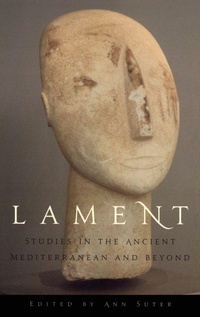
Lament
Studies in the Ancient Mediterranean and Beyond
Published on 10. April 2008
Book
Hardback
304 pages
978-0-19-533692-4 (ISBN)
Description
Lament seems to have been universal in the ancient world. As such, it is an excellent touchstone for the comparative study of attitudes towards death and the afterlife, human relations to the divine, views of the cosmos, and the constitution of the fabric of society in different times and places. This collection of essays offers the first ever comparative approach to ancient Mediterranean and Near Eastern traditions of lament. Beginning with the Sumerian and Hittite traditions, the volume moves on to examine Bronze Age iconographic representations of lamentation, Homeric lament, depictions of lament in Greek tragedy and parodic comedy, and finally lament in ancient Rome. The list of contributors includes such noted scholars as Richard Martin, Ian Rutherford, and Alison Keith.
Lament comes at a time when the conclusions of the first wave of the study of lament-especially Greek lament-have received widespread acceptance, including the notions that lament is a female genre; that men risked feminization if they lamented; that there were efforts to control female lamentation; and that a lamenting woman was a powerful figure and a threat to the orderly functioning of the male public sphere. Lament revisits these issues by reexamining what kinds of functions the term lament can include, and by expanding the study of lament to other genres of literature, cultures, and periods in the ancient world. The studies included here reflect the variety of critical issues raised over the past 25 years, and as such, provide an overview of the history of critical thinking on the subject.
Lament comes at a time when the conclusions of the first wave of the study of lament-especially Greek lament-have received widespread acceptance, including the notions that lament is a female genre; that men risked feminization if they lamented; that there were efforts to control female lamentation; and that a lamenting woman was a powerful figure and a threat to the orderly functioning of the male public sphere. Lament revisits these issues by reexamining what kinds of functions the term lament can include, and by expanding the study of lament to other genres of literature, cultures, and periods in the ancient world. The studies included here reflect the variety of critical issues raised over the past 25 years, and as such, provide an overview of the history of critical thinking on the subject.
Reviews / Votes
Suter's collection offers a valuable corrective to what have become almost ideological attitudes to lament in Greek tragedy. * Maureen Alden BMCR *More details
Language
English
Place of publication
New York
United States
Target group
College/higher education
Illustrations
14 black-and-white halftones
Dimensions
Height: 240 mm
Width: 161 mm
Thickness: 21 mm
Weight
619 gr
ISBN-13
978-0-19-533692-4 (9780195336924)
Copyright in bibliographic data and cover images is held by Nielsen Book Services Limited or by the publishers or by their respective licensors: all rights reserved.
Schweitzer Classification
Other editions
Person
Ann Suter is Professor of Classical Studies at the University of Rhode Island and author of The Narcissus and the Pomegranate: An Archaeology of the Homeric Hymn to Demeter.
Content
1. Introduction - Ann Suter ; 2. Sumerian Gala Priests and Eastern Mediterranean Returning Gods: Tragic Lamentation in Cross-cultural Perspective Bachvarova ; 3. "When you go to the meadow...": The Lament of the Taptara-women in the Hittite "Sallais Wastais" Ritual Rutherford ; 4. Mycenaean Memory and Bronze Age Lament Burke ; 5. Keens from the Absent Chorus: Troy to Ulster Martin ; 6. Reading the Laments of Iliad 24 Perkell ; 7. Death Becomes Her: Gender and Athenian Death Ritual Stears ; 8. Male Lament in Greek Tragedy Suter ; 9. Greek Comedy's Parody of Lament Karanika ; 10. Lament and Hymenaios in Erinna's Distaff Levaniouk ; 11. Lament in Lucan's Bellum Ciuile Keith ; 12. Nenia: Gender, Genre, and Lament in Ancient Rome Dutsch