

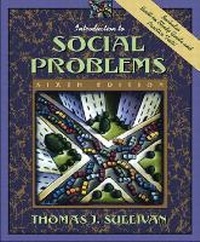
Introduction to Social Problems
6th Edition
Published on 16. August 2002
Book
Paperback/Softback
624 pages
978-0-205-35105-3 (ISBN)
Description
This economical introduction to social problems text with a built-in study guide emphasizes an applied approach that looks at the interplay between research and policy in finding solutions.
This book explores the nature and extent of social problems, documents the advances and setbacks that we as a society have made, and analyzes what works and what doesn't work regarding solutions to today's problems. This straightforward text helps students study this constantly changing field by applying social science research to the solutions of some of the most difficult and controversial problems confronting the United States and the world today.
This book explores the nature and extent of social problems, documents the advances and setbacks that we as a society have made, and analyzes what works and what doesn't work regarding solutions to today's problems. This straightforward text helps students study this constantly changing field by applying social science research to the solutions of some of the most difficult and controversial problems confronting the United States and the world today.
More details
Edition
6th edition
Language
English
Place of publication
United States
Publishing group
Pearson Education (US)
Target group
Professional and scholarly
Dimensions
Height: 232 mm
Width: 190 mm
Thickness: 22 mm
Weight
930 gr
ISBN-13
978-0-205-35105-3 (9780205351053)
Copyright in bibliographic data and cover images is held by Nielsen Book Services Limited or by the publishers or by their respective licensors: all rights reserved.
Schweitzer Classification
Other editions
New editions
Thomas J. Sullivan
Introduction to Social Problems
Book
06/2005
7th Edition
Pearson
€88.08
Article exhausted; check for reprint
Previous edition
Thomas J. Sullivan
Introduction to Social Problems
Book
04/2000
5th Edition
Pearson
€67.03
Article exhausted; check for reprint
Content
Each chapter concludes with "Linkages," "Summary," "Researching Social Problems on the Internet," and "Study and Review."
1. Approaches to the Study of Social Problems.
What Is a Social Problem?
Theoretical Perspectives on Social Problems.
Research on Social Problems.
Future Prospects: Solving Social Problems.
2. Growth of Corporate and Government Power.
Types of Economic Systems.
The Concentration of Economic and Political Power.
Perspectives on the Concentration of Power.
Problems Created by the Concentration of Power.
3. Family-Related Problems.
The Family in Society.
Attitudes Toward Marriage and the Family.
Divorce.
Emerging Family Lifestyles.
Violence in the Family.
Constructing Family Problems: Media Images.
4. Health and Illness.
Perspectives on Health Care.
Health, Illness, and Society.
Mental Illness.
Problems in Health Care.
Bioethics: Technology and Health.
Future Prospects.
5. Poverty.
The Extent of Poverty.
Who Are the Poor?
The Causes of Poverty.
Future Prospects.
6. Race and Ethnic Relations.
Minority Groups.
Sources of Prejudice and Discrimination.
Racial and Ethnic Minorities in the United States.
Future Prospects.
7. Gender and Social Inequality.
Men and Women in Society.
The Socialization of Men and Women.
The Extent of Gender Inequality in the United States.
A Global Perspective on Gender Inequality.
8. Age, Sexual Orientation, and Social Inequality.
Age, Life Course, and Social Structure.
Problems of the Young.
Problems of the Elderly.
Homosexuality and Homophobia.
Future Prospects.
9. Crime and Delinquency.
Types of Crime.
Who Are the Criminals?
The Criminal Justice System.
Future Prospects.
10. Alcohol and Other Drugs.
Drugs and Their Consequences.
The Extent of Drug Abuse in the United States.
Explanations of Drug Abuse.
Future Prospects.
11. Prostitution, Pornography, and the Sex Trade.
Variety in Human Sexuality.
Prostitution.
Pornography.
Perspectives on Sexual Deviance.
Future Prospects.
12. Population Growth and Urbanization.
Population Growth.
The Growth of Cities.
Perspectives on Population and Urban Problems.
Consequences of World Population Growth.
Problems in Cities in the United States.
Future Prospects.
13. Environmental Problems.
The Ecosystem.
Social Resources of Environmental Problems.
Perspectives on Environmental Problems.
Social Construction of Environmental Problems.
Extent of Environmental Problems.
Future Prospects.
14. Violence, War, and Terrorism.
The Extent of Violence.
Explanations of Collective Violence and War.
The Consequences of War.
Future Prospects.
15. Education, Science, and Technology.
Growth of Education and Technology.
Perspectives on Education, Science, and Technology.
Problems in Education.
Problems of Science and Technology.
Future Prospects.
Glossary.
Bibliography.
Photo Credits.
Name Index.
Subject Index.
1. Approaches to the Study of Social Problems.
What Is a Social Problem?
Theoretical Perspectives on Social Problems.
Research on Social Problems.
Future Prospects: Solving Social Problems.
2. Growth of Corporate and Government Power.
Types of Economic Systems.
The Concentration of Economic and Political Power.
Perspectives on the Concentration of Power.
Problems Created by the Concentration of Power.
3. Family-Related Problems.
The Family in Society.
Attitudes Toward Marriage and the Family.
Divorce.
Emerging Family Lifestyles.
Violence in the Family.
Constructing Family Problems: Media Images.
4. Health and Illness.
Perspectives on Health Care.
Health, Illness, and Society.
Mental Illness.
Problems in Health Care.
Bioethics: Technology and Health.
Future Prospects.
5. Poverty.
The Extent of Poverty.
Who Are the Poor?
The Causes of Poverty.
Future Prospects.
6. Race and Ethnic Relations.
Minority Groups.
Sources of Prejudice and Discrimination.
Racial and Ethnic Minorities in the United States.
Future Prospects.
7. Gender and Social Inequality.
Men and Women in Society.
The Socialization of Men and Women.
The Extent of Gender Inequality in the United States.
A Global Perspective on Gender Inequality.
8. Age, Sexual Orientation, and Social Inequality.
Age, Life Course, and Social Structure.
Problems of the Young.
Problems of the Elderly.
Homosexuality and Homophobia.
Future Prospects.
9. Crime and Delinquency.
Types of Crime.
Who Are the Criminals?
The Criminal Justice System.
Future Prospects.
10. Alcohol and Other Drugs.
Drugs and Their Consequences.
The Extent of Drug Abuse in the United States.
Explanations of Drug Abuse.
Future Prospects.
11. Prostitution, Pornography, and the Sex Trade.
Variety in Human Sexuality.
Prostitution.
Pornography.
Perspectives on Sexual Deviance.
Future Prospects.
12. Population Growth and Urbanization.
Population Growth.
The Growth of Cities.
Perspectives on Population and Urban Problems.
Consequences of World Population Growth.
Problems in Cities in the United States.
Future Prospects.
13. Environmental Problems.
The Ecosystem.
Social Resources of Environmental Problems.
Perspectives on Environmental Problems.
Social Construction of Environmental Problems.
Extent of Environmental Problems.
Future Prospects.
14. Violence, War, and Terrorism.
The Extent of Violence.
Explanations of Collective Violence and War.
The Consequences of War.
Future Prospects.
15. Education, Science, and Technology.
Growth of Education and Technology.
Perspectives on Education, Science, and Technology.
Problems in Education.
Problems of Science and Technology.
Future Prospects.
Glossary.
Bibliography.
Photo Credits.
Name Index.
Subject Index.