

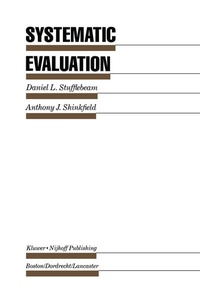
Systematic Evaluation
A Self-Instructional Guide to Theory and Practice
Published on 18. November 2011
Book
Paperback/Softback
368 pages
978-94-010-8995-1 (ISBN)
Description
1 Introduction to Evaluation.- Objectives.- What Is Evaluation?.- Methods.- Standards.- History.- Roles in Evaluation Work.- Knowledge Test for Unit 1.- Application Exercise.- Questions Without Answers.- References.- 2 An Analysis of Alternative Approaches to Evaluation.- Objectives.- Alternative Conceptualizations of Evaluation.- Pseudoevaluation.- Quasievaluations.- True Evaluations.- Conclusion.- Knowledge Test for Unit 2.- Application Exercises.- Questions Without Answers.- References.- 3 Objectives-oriented Evaluation: The Tylerian Tradition.- Objectives.- The Intention of the Tylerian Approach.- Some Limitations of the Tylerian Approach.- Metfessel and Michael: An Extension of the Tylerian Approach.- Knowledge Test for Unit 2.- Application Exercises.- Questions Without Answers.- References.- 4 Edward A. Suchman and the Scientific Approach to Evaluation.- Objectives.- Conceptual Aspects of Evaluation.- Methodological Aspects of Evaluation.- Evaluation and Program Administration.- Knowledge Test for Unit 4.- Questions Without Answers.- References.- 5 Cronbach's Designing Evaluations: A Synopsis.- Objectives.- to the Issues.- Cronbach's Concepts of the Elements in an Evaluation Design: Uto.- Planning for Communication.- The Promise of Evaluation.- Knowledge Test for Unit 5.- Application Exercises.- Questions Without Answers.- References.- 6 Stufflebeam's Improvement-oriented Evaluation.- Objectives.- Some Personal History.- Development of the CIPP Model.- The PDK Study Committee's Elaboration of CIPP Evaluation.- CIPP Compared to Other Recent Evaluation Proposals.- CIPP as a Strategy for Improving Systems.- An Overview of CIPP Categories.- Designing Evaluations.- Metaevaluation and Standards.- Conclusion.- Knowledge Test for Unit 6.- Application Exercises.-Questions Without Answers.- References.- 7 Stake's Client-centered Approach to Evaluation.- Objectives.- The Countenance Statement of Evaluation.- Format for Data Collection.- Responsive Evaluation.- General Observations.- Knowledge Test for Unit 7.- Application Exercises.- Questions Without Answers.- References.- 8 T.R. Owens, R.L. Wolf: An Adversary Approach to Evaluation.- Objectives.- Intention of the Adversary Model.- One Form of the Adversary Approach: Wolf's Judicial Model.- Pros and Cons of Adversary Evaluation.- Knowledge Test for Unit 8.- Application Exercises.- Questions Without Answers.- References.- 9 Illuminative Evaluation: The Holistic Approach.- Objectives.- Traditional Evaluation: Seeds of Doubt.- Stake's Concept of Evaluation as Portrayal.- Illuminative Evaluation: A Social-Anthropological Paradigm.- The Context of Educational Programs.- Organization and Methods of Illuminative Evaluation.- Reporting and Decision Making.- Problems Associated with Illuminative Evaluation.- Knowledge Test for Unit 9.- Application Exercises.- Questions Without Answers.- References.- 10 Michael Scrlven's Consumer-Oriented Approach to Evaluation.- Objectives.- Evaluation Defined.- Critique of Other Persuasions.- Formative and Summative Evaluation.- Amateur versus Professional Evaluation.- Intrinsic and Payoff Evaluation.- Goal-free Evaluation.- Needs Assessment.- The Key Evaluation Checklist.- Metaevaluation.- Evaluation Ideologies.- Professionalization of Evaluation.- Knowledge Test for Unit 10.- Application Exercises.- Questions Without Answers.- References.- Indexes.
More details
Series
Edition
1985
Language
English
Place of publication
Dordrecht
Netherlands
Target group
Professional and scholarly
Research
Illustrations
368 p.
Dimensions
Height: 229 mm
Width: 152 mm
Thickness: 20 mm
Weight
527 gr
ISBN-13
978-94-010-8995-1 (9789401089951)
DOI
10.1007/978-94-009-5656-8
Schweitzer Classification
Other editions
Additional editions
D.L. Stufflebeam | Anthony J. Shinkfield
Systematic Evaluation
A Self-Instructional Guide to Theory and Practice
E-Book
12/2012
Springer
€53.49
Available for download
Daniel L. Stufflebeam | A.J. Shinkfield
Systematic Evaluation
A Self-instructional Guide to Theory and Practice
Book
11/1984
Kluwer Academic Publishers
€109.13
Article exhausted; check different version
Content
1 Introduction to Evaluation.- Objectives.- What Is Evaluation?.- Methods.- Standards.- History.- Roles in Evaluation Work.- Knowledge Test for Unit 1.- Application Exercise.- Questions Without Answers.- References.- 2 An Analysis of Alternative Approaches to Evaluation.- Objectives.- Alternative Conceptualizations of Evaluation.- Pseudoevaluation.- Quasievaluations.- True Evaluations.- Conclusion.- Knowledge Test for Unit 2.- Application Exercises.- Questions Without Answers.- References.- 3 Objectives-oriented Evaluation: The Tylerian Tradition.- Objectives.- The Intention of the Tylerian Approach.- Some Limitations of the Tylerian Approach.- Metfessel and Michael: An Extension of the Tylerian Approach.- Knowledge Test for Unit 2.- Application Exercises.- Questions Without Answers.- References.- 4 Edward A. Suchman and the Scientific Approach to Evaluation.- Objectives.- Conceptual Aspects of Evaluation.- Methodological Aspects of Evaluation.- Evaluation and Program Administration.- Knowledge Test for Unit 4.- Questions Without Answers.- References.- 5 Cronbach's Designing Evaluations: A Synopsis.- Objectives.- to the Issues.- Cronbach's Concepts of the Elements in an Evaluation Design: Uto.- Planning for Communication.- The Promise of Evaluation.- Knowledge Test for Unit 5.- Application Exercises.- Questions Without Answers.- References.- 6 Stufflebeam's Improvement-oriented Evaluation.- Objectives.- Some Personal History.- Development of the CIPP Model.- The PDK Study Committee's Elaboration of CIPP Evaluation.- CIPP Compared to Other Recent Evaluation Proposals.- CIPP as a Strategy for Improving Systems.- An Overview of CIPP Categories.- Designing Evaluations.- Metaevaluation and Standards.- Conclusion.- Knowledge Test for Unit 6.- Application Exercises.-Questions Without Answers.- References.- 7 Stake's Client-centered Approach to Evaluation.- Objectives.- The Countenance Statement of Evaluation.- Format for Data Collection.- Responsive Evaluation.- General Observations.- Knowledge Test for Unit 7.- Application Exercises.- Questions Without Answers.- References.- 8 T.R. Owens, R.L. Wolf: An Adversary Approach to Evaluation.- Objectives.- Intention of the Adversary Model.- One Form of the Adversary Approach: Wolf's Judicial Model.- Pros and Cons of Adversary Evaluation.- Knowledge Test for Unit 8.- Application Exercises.- Questions Without Answers.- References.- 9 Illuminative Evaluation: The Holistic Approach.- Objectives.- Traditional Evaluation: Seeds of Doubt.- Stake's Concept of Evaluation as Portrayal.- Illuminative Evaluation: A Social-Anthropological Paradigm.- The Context of Educational Programs.- Organization and Methods of Illuminative Evaluation.- Reporting and Decision Making.- Problems Associated with Illuminative Evaluation.- Knowledge Test for Unit 9.- Application Exercises.- Questions Without Answers.- References.- 10 Michael Scrlven's Consumer-Oriented Approach to Evaluation.- Objectives.- Evaluation Defined.- Critique of Other Persuasions.- Formative and Summative Evaluation.- Amateur versus Professional Evaluation.- Intrinsic and Payoff Evaluation.- Goal-free Evaluation.- Needs Assessment.- The Key Evaluation Checklist.- Metaevaluation.- Evaluation Ideologies.- Professionalization of Evaluation.- Knowledge Test for Unit 10.- Application Exercises.- Questions Without Answers.- References.- Indexes.