

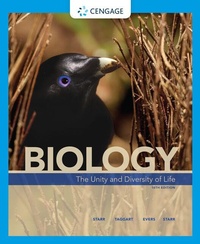
Biology: The Unity and Diversity of Life
15th Edition
Published on 1. January 2018
Book
Hardback
992 pages
978-1-337-40833-2 (ISBN)
Description
BIOLOGY: THE UNITY AND DIVERSITY OF LIFE, 15th Edition, reveals the biological world in wondrous detail. Its multitude of eye-catching photos and images will keep you fascinated, while helpful text features help you master the material. Chapter-opening Core Concepts enable you to focus on the topics that matter most in every chapter. Each section within a chapter begins with clear Learning Objectives, and section-ending Take Home Messages reinforce these key concepts. Other invaluable features include a running glossary, case studies, self-test questions and data-analysis problems. Available with MindTap Biology, the online program that powers you from memorization to mastery. BIOLOGY: THE UNITY AND DIVERSITY OF LIFE puts the living world of biology under a microscope for you to analyze, understand and enjoy!
More details
Edition
15th edition
Language
English
Place of publication
CA
United States
Publishing group
Cengage Learning, Inc
Target group
College/higher education
Product notice
sewn/stitched
Cloth over boards
Dimensions
Height: 279 mm
Width: 234 mm
Thickness: 38 mm
Weight
2449 gr
ISBN-13
978-1-337-40833-2 (9781337408332)
Copyright in bibliographic data and cover images is held by Nielsen Book Services Limited or by the publishers or by their respective licensors: all rights reserved.
Schweitzer Classification
Persons
For decades, Cecie Starr has been known as one of the best-selling biology textbook authors. Her texts, appreciated for their clarity in both the written word and the visual representation of biological concepts, include multiple editions of BIOLOGY: THE UNITY AND DIVERSITY OF LIFE, BIOLOGY: CONCEPTS AND APPLICATIONS, and BIOLOGY TODAY AND TOMORROW. Her original dream was to become an architect. Instead of building houses, she now builds, with care and attention to detail, texts based on this philosophy: "I invite students into a chapter through an intriguing story. Once inside, they get the great windows that biologists construct on the world of life. Biology is not just another house. It is a conceptual mansion. I hope to do it justice." Ralph Taggart, Former Chair of Biological Sciences at Michigan State University, Ralph Taggert is now the chair of Geological Sciences. Professor Taggart, known for his outstanding research in Paleobotany, has taught the general biology course for over 20 years. Christine Evers has been providing tools for biology education for more than 20 years. Before becoming a textbook author, she provided content for Genentech's Access Excellence website and developed digital course materials for a variety of publishers. She received her undergraduate education at SUNY Stony Brook and did graduate work at Yale University. Lisa Starr has been creating incredible art for the Starr biology textbooks since 1997 and began authoring the books in 2004. She has a passion for all things science, and particularly enjoys parsing complex scientific concepts into written and visual content that engages nonscientists. She has an education in chemistry and biochemistry and an extensive background in molecular biology-based research in both academic and industrial settings.
Content
1. Invitation to Biology.
UNIT 1: PRINCIPLES OF CELLULAR LIFE.
2. Life's Chemical Basis.
3. Molecules of Life.
4. Cell Structure.
5. Ground Rules of Metabolism.
6. Where it Starts: Photosynthesis.
7. How Cells Release Chemical Energy.
UNIT II: GENETICS.
8. DNA Structure and Function.
9. From DNA to Protein.
10. Control of Gene Expression.
11. How Cells Reproduce.
12. Meiosis and Sexual Reproduction.
13. Observing Patterns in Inherited Traits.
14. Chromosomes and Human Inheritance.
15. Studying and Manipulating Genomes.
UNIT III: PRINCIPLES OF EVOLUTION.
16. Evidence of Evolution.
17. Processes of Evolution.
18. Organizing Information about Species.
19. Life's Origin and Early Evolution.
UNIT IV: EVOLUTION AND BIODIVERSITY.
20. Viruses, Bacteria, and Archaea.
21. Protists: The Simplest Eukaryotes.
22. The Land Plants.
23. Fungi.
24. Animal Evolution: The Invertebrates.
25. Animal Evolution: The Chordates.
26. Human Evolution.
UNIT V: HOW PLANTS WORK.
27. Plant Tissues.
28. Plant Nutrition and Transport.
29. Life Cycles of Flowering Plants.
30. Communication Strategies in Plants.
UNIT VI: HOW ANIMALS WORK.
31. Animal Tissues and Organ Systems.
32. Neural Control.
33. Sensory Perception.
34. Endocrine Control.
35. Structural Support and Movement.
36. Circulation.
37. Immunity.
38. Respiration.
39. Digestion and Nutrition.
40. Maintaining the Internal Environment.
41. Animal Reproductive System.
42. Animal Development.
43. Animal Behavior.
UNIT VII: PRINCIPLES OF ECOLOGY.
44. Population Ecology.
45. Community Ecology.
46. Ecosystems.
47. The Biosphere.
48. Human Impacts on the Biosphere.
UNIT 1: PRINCIPLES OF CELLULAR LIFE.
2. Life's Chemical Basis.
3. Molecules of Life.
4. Cell Structure.
5. Ground Rules of Metabolism.
6. Where it Starts: Photosynthesis.
7. How Cells Release Chemical Energy.
UNIT II: GENETICS.
8. DNA Structure and Function.
9. From DNA to Protein.
10. Control of Gene Expression.
11. How Cells Reproduce.
12. Meiosis and Sexual Reproduction.
13. Observing Patterns in Inherited Traits.
14. Chromosomes and Human Inheritance.
15. Studying and Manipulating Genomes.
UNIT III: PRINCIPLES OF EVOLUTION.
16. Evidence of Evolution.
17. Processes of Evolution.
18. Organizing Information about Species.
19. Life's Origin and Early Evolution.
UNIT IV: EVOLUTION AND BIODIVERSITY.
20. Viruses, Bacteria, and Archaea.
21. Protists: The Simplest Eukaryotes.
22. The Land Plants.
23. Fungi.
24. Animal Evolution: The Invertebrates.
25. Animal Evolution: The Chordates.
26. Human Evolution.
UNIT V: HOW PLANTS WORK.
27. Plant Tissues.
28. Plant Nutrition and Transport.
29. Life Cycles of Flowering Plants.
30. Communication Strategies in Plants.
UNIT VI: HOW ANIMALS WORK.
31. Animal Tissues and Organ Systems.
32. Neural Control.
33. Sensory Perception.
34. Endocrine Control.
35. Structural Support and Movement.
36. Circulation.
37. Immunity.
38. Respiration.
39. Digestion and Nutrition.
40. Maintaining the Internal Environment.
41. Animal Reproductive System.
42. Animal Development.
43. Animal Behavior.
UNIT VII: PRINCIPLES OF ECOLOGY.
44. Population Ecology.
45. Community Ecology.
46. Ecosystems.
47. The Biosphere.
48. Human Impacts on the Biosphere.