

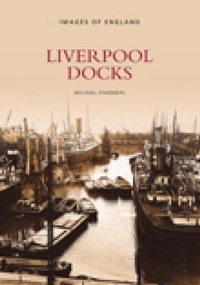
Liverpool Docks
Published on 1. September 1999
Book
Paperback/Softback
128 pages
978-0-7524-1712-7 (ISBN)
Description
The story of Liverpool is, in many ways, the story of its docks. Before the docks, trade was limited by the tides and at the mercy of the Mersey's currents. After dock construction began, the city became a hub of Britain's worldwide trading network. Cheshire Salt, Lancashire coal and textiles, Staffordshire pottery and Birmingham metal goods were all export staples and played an important part - until the 1807 abolition - in the infamous African slave trade. At the same time, sugar, rum, cotton and timber were exported in huge quantities. Through the expansion of the empire and the opportunities presented by steam power, the docks continued to grow and prosper. Even after the setbacks and bombing of the Second World War, trade rapidly recovered. However, the pace of change increased in the late 1950s and not to Liverpool's benefit. Passenger liners lost out to airliners (Cunard ships last called here in 1964) and changes in cargo handling led to the displacement of six traditional cargo liners for every new container vessel. There was competition from new container ports like Felixstowe as well as a range of local difficulties. With many contemporary illustrations of people, ships, buildings and machinery, Michael Stammers chronicles not just the rise and fall of Mersey shipping but also the way the docks have bounced back. Redevelopment, restoration and new modes of commerce have put Liverpool's docks back in the black and the docks continue to be a significant part of the Liverpool of today, albeit a very different-looking docks to the port of over sixty years ago.
More details
Language
English
Place of publication
Stroud
United Kingdom
Product notice
Paperback (trade)
Unsewn / adhesive bound
Dimensions
Height: 233 mm
Width: 164 mm
Thickness: 12 mm
Weight
317 gr
ISBN-13
978-0-7524-1712-7 (9780752417127)
Copyright in bibliographic data and cover images is held by Nielsen Book Services Limited or by the publishers or by their respective licensors: all rights reserved.
Schweitzer Classification