

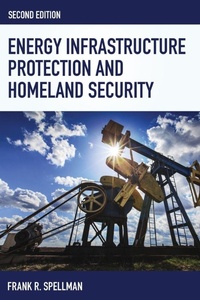
Energy Infrastructure Protection and Homeland Security
2nd Edition
Published on 4. March 2016
Book
Paperback/Softback
304 pages
978-1-59888-816-4 (ISBN)
Description
In the post-9/11 world, the possibility of energy infrastructure-terrorism-the use of weapons to cause devastating damage to the energy industrial sector and cause cascading effects-is very real. Energy Infrastructure Protection and Homeland Security, Second Edition, is a reference for those involved with our energy infrastructure who want quick answers to complicated questions. It is intended to help employers and employees handle security threats they must be prepared to meet on a daily basis.
This updated second edition focuses on all components of the energy sector, including sites involved in producing, refining, transporting, generating, transmitting, conserving, building, distributing, maintaining, and controlling energy systems and system components. It presents common-sense methodologies in a straightforward manner and is accessible to those who have no experience with energy infrastructure or homeland security.
Through this text, readers gain an understanding of the challenges of domestic preparedness and the immediate need for heightened awareness regarding the present threats faced by the energy sector as a potential terrorist target. This book provides knowledge of security principles and measures that can be implemented, adding a critical component not only to one's professional knowledge but also giving one the tools needed to combat terrorism.
This updated second edition focuses on all components of the energy sector, including sites involved in producing, refining, transporting, generating, transmitting, conserving, building, distributing, maintaining, and controlling energy systems and system components. It presents common-sense methodologies in a straightforward manner and is accessible to those who have no experience with energy infrastructure or homeland security.
Through this text, readers gain an understanding of the challenges of domestic preparedness and the immediate need for heightened awareness regarding the present threats faced by the energy sector as a potential terrorist target. This book provides knowledge of security principles and measures that can be implemented, adding a critical component not only to one's professional knowledge but also giving one the tools needed to combat terrorism.
More details
Series
Edition
2nd edition
Language
English
Place of publication
United States
Publishing group
Bloomsbury Publishing Plc
Target group
Professional and scholarly
Illustrations
5 BW Illustrations, 2 BW Photos, 21 Tables
Dimensions
Height: 229 mm
Width: 152 mm
Thickness: 16 mm
Weight
443 gr
ISBN-13
978-1-59888-816-4 (9781598888164)
Copyright in bibliographic data and cover images is held by Nielsen Book Services Limited or by the publishers or by their respective licensors: all rights reserved.
Schweitzer Classification
Other editions
Additional editions
Frank R. Spellman
Energy Infrastructure Protection and Homeland Security
E-Book
03/2016
2nd Edition
Bernan Press
€124.99
Available for download
Person
Frank R. Spellman is the author or co-author of more than 70 books on safety, occupational health, and natural and environmental sciences. He has 45 years of experience in safety and health and has served as a consultant for the U.S. Department of Justice, a variety of law firms, and a number of non-governmental organizations on environmental issues and health-related matters. He is formerly an assistant professor of environmental health at Old Dominion University.
Content
CONTENTS
Preface
Chapter 1Introduction
U.S. Energy Infrastructure: Kid in Candy Store Syndrome
We Call it 9/11; others Call it Cantor Fitzgerald
Case Study 1.1 When Whiskey Sours
Case Study 2.1 Bracing for the Big One!
What is Terrorism?
Vocabulary of Hate
References and Recommended Reading
Chapter 2Critical Infrastructure
What is Critical Infrastructure?
Energy Sector Infrastructure
The Bottom Line
References and Recommended Reading
Chapter 3The Energy Sector
Introduction
Electricity
Petroleum
Natural Gas
Energy Sector: A Regulated Environment
The Bottom Line
References and Recommended Reading
Chapter 4Energy Sector Security
Introduction
Energy Assets and System Parameters
Homeland Security Directives
Assessing Consequences
References and Recommended Reading
Chapter 5Vulnerability Assessments (VA)
Introduction
Vulnerabilities
Insider Threat Vulnerability
Vulnerability Assessment (VA)
Vulnerability Assessment Methodology
Vulnerability Assessment Procedures
Vulnerability Assessment: Checklist Procedure
References and Recommended Reading
Chapter 6Preparation: When is Enough, Enough?
Introduction
Threats and Incidents
Response to Threats
Preparation
Site Characterization and Sampling
References and Recommended Reading
Chapter 7SCADA
The Energy Sector & Cyberspace
What is SCADA?
SCADA Vulnerabilities
Steps to Improve SCADA Security
References and Recommended Reading
Chapter 8Emergency Response
Energy Sector Contingency Planning
Emergency Support Function #12: Energy Sector
Emergency Response Planning (ERP): Standard Template
OSHA and Emergency Response
The Bottom Line
References and Recommended Reading
Chapter 9Security Techniques & Hardware
Security Hardware Devices
Petrochemical and Waste Monitoring Devices
Communication Integration
Cyber Protection Devices
References and Recommended Reading
Chapter 10The Paradigm Shift
The 14 Features of Active & Effective Security
Reference and Recommended Reading
Appendix A Definitions of Terms
Preface
Chapter 1Introduction
U.S. Energy Infrastructure: Kid in Candy Store Syndrome
We Call it 9/11; others Call it Cantor Fitzgerald
Case Study 1.1 When Whiskey Sours
Case Study 2.1 Bracing for the Big One!
What is Terrorism?
Vocabulary of Hate
References and Recommended Reading
Chapter 2Critical Infrastructure
What is Critical Infrastructure?
Energy Sector Infrastructure
The Bottom Line
References and Recommended Reading
Chapter 3The Energy Sector
Introduction
Electricity
Petroleum
Natural Gas
Energy Sector: A Regulated Environment
The Bottom Line
References and Recommended Reading
Chapter 4Energy Sector Security
Introduction
Energy Assets and System Parameters
Homeland Security Directives
Assessing Consequences
References and Recommended Reading
Chapter 5Vulnerability Assessments (VA)
Introduction
Vulnerabilities
Insider Threat Vulnerability
Vulnerability Assessment (VA)
Vulnerability Assessment Methodology
Vulnerability Assessment Procedures
Vulnerability Assessment: Checklist Procedure
References and Recommended Reading
Chapter 6Preparation: When is Enough, Enough?
Introduction
Threats and Incidents
Response to Threats
Preparation
Site Characterization and Sampling
References and Recommended Reading
Chapter 7SCADA
The Energy Sector & Cyberspace
What is SCADA?
SCADA Vulnerabilities
Steps to Improve SCADA Security
References and Recommended Reading
Chapter 8Emergency Response
Energy Sector Contingency Planning
Emergency Support Function #12: Energy Sector
Emergency Response Planning (ERP): Standard Template
OSHA and Emergency Response
The Bottom Line
References and Recommended Reading
Chapter 9Security Techniques & Hardware
Security Hardware Devices
Petrochemical and Waste Monitoring Devices
Communication Integration
Cyber Protection Devices
References and Recommended Reading
Chapter 10The Paradigm Shift
The 14 Features of Active & Effective Security
Reference and Recommended Reading
Appendix A Definitions of Terms