

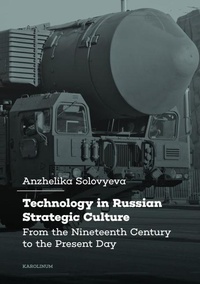
Technology in Russian Strategic Culture
From the Nineteenth Century to the Present Day
Published on 28. January 2025
Book
Paperback/Softback
198 pages
978-80-246-5663-2 (ISBN)
Description
A history of military-technological innovation in Russia.
This book traces the dynamics of military-technological innovation in Russia over the last hundred and fifty years, particularly focusing on three distinct periods: the introduction of rifled breech-loading weapons in Imperial Russia in the nineteenth century, the invention of nuclear weapons in the Soviet Union in the twentieth century, and the development of precision-guided weapons in post-Soviet Russia in the twenty-first century. The analysis relies extensively on primary data obtained from Russian archives, complemented by a series of expert interviews, and deciphers Russia' s distinct strategic cultural approach to military-technological innovation.
This book traces the dynamics of military-technological innovation in Russia over the last hundred and fifty years, particularly focusing on three distinct periods: the introduction of rifled breech-loading weapons in Imperial Russia in the nineteenth century, the invention of nuclear weapons in the Soviet Union in the twentieth century, and the development of precision-guided weapons in post-Soviet Russia in the twenty-first century. The analysis relies extensively on primary data obtained from Russian archives, complemented by a series of expert interviews, and deciphers Russia' s distinct strategic cultural approach to military-technological innovation.
Reviews / Votes
Unlike far too many studies this book marries the study of strategic culture to the analysis of Russian history. The result is an illuminating book that helps us understand many of the problems of the contemporary Russian military in the context of Russian history. As Russia' s war in Ukraine shows, Moscow still has difficulty realizing military technology to its maximum effectiveness and this excellent book tells us why this is still the case and likely to persist." -(Stephen J. Blank, Senior Fellow at Foreign Policy Research Institute's Eurasia Program)More details
Language
English
Place of publication
Ovocny
Czech Republic
Target group
Professional and scholarly
Product notice
Paperback (trade)
Unsewn / adhesive bound
Dimensions
Height: 204 mm
Width: 142 mm
Thickness: 12 mm
Weight
249 gr
ISBN-13
978-80-246-5663-2 (9788024656632)
Copyright in bibliographic data and cover images is held by Nielsen Book Services Limited or by the publishers or by their respective licensors: all rights reserved.
Schweitzer Classification
Person
Angelika Suchanova (Solovyeva) is assistant professor and deputy head of the Department of Security Studies at the Institute of Political Studies, Charles University.
Content
List of Abbreviations 3
List of Figures 4
Introduction 5
. Military Technology in Russian Strategic Thinking 2
. Technology as an Added Value to the Nation's Military Power 3
.2 Technology as a Component of Defence Capability 5
.3 Technology as a Political Artefact 7
.4 Technology as a Highly Constrained Domain 8
.5 Technology as a Source of Asymmetry 9
. Technology as a Subject of Diplomacy 2
2. Russia's Strategic Cultural Approach to Military-Technological Innovation: An Analytical Framework 24
2. Recurring Patterns and Strategic Culture 25
2.2 Triangular Conceptualization of Russia's Strategic Cultural Approach to Military-Technological Innovation 32
2.3 Russia's Organizational Culture: Developmental State Models 43
2.4 Putting the Process in Motion: Conflict Dynamics 45
2.5 Research Methodology 47
3. Rifled Breech-Loading Weapons 52
3. The Crimean War as a Major Turning Point 52
3.2 The Quest for Symmetry and Emulative Tendencies 55
3.3 Beyond Technology: Preserving Russia's Asymmetric Advantage 9
3.4 Russia's Diplomatic Response: The Hague Conference of 899 72
3.5 Synthesis of the Approach: A Range of Asymmetric Reactions 82
4. Nuclear Weapons and Delivery Vehicles 87
4. Asymmetric Response to the World's First Atomic Bombings 88
4.2 Forced into the Revolution in Military Affairs 9
4.3 The Circle Closes: The Role of the USSR in Nuclear Arms Control
4.4 Synthesis of the Approach: Two Seemingly Incompatible Paths 22
5. Precision-Guided Conventional Weapons 28
5. Conceptualization of Revolutionary Potential 29
5.2 Going (A)symmetric: Failed Ambitions of the USSR 35
5.3 The Gulf War as a Major Turning Point 4
5.4 Asymmetric Assurance: The Nuclear Escalation Ladder 43
5.5 Seeking Symmetry: Embarking on the Revolution in Military Affairs 48
5. Twisted (A)symmetries 7
5.7 Synthesis of the Approach: Ambitions for Symmetry and Asymmetric Engagement 75
. Conclusion 8
. Synthesis and Outline of the Russian Strategic Cultural Approach to Military-Technological Innovation 83
. . Reactive Innovation 84
. .2 Punctuated Innovation 87
. .3 Compensatory Innovation 9
. .4 Reluctant Innovation 92
. .5 Steered Innovation 95
. . Symbolic Innovation 97
. .7 Manpower-Balanced Innovation 2
.2 Asymmetric Balancing and Further Contributions 2 3
List of References 2 8
List of Interviews 242
List of Figures 4
Introduction 5
. Military Technology in Russian Strategic Thinking 2
. Technology as an Added Value to the Nation's Military Power 3
.2 Technology as a Component of Defence Capability 5
.3 Technology as a Political Artefact 7
.4 Technology as a Highly Constrained Domain 8
.5 Technology as a Source of Asymmetry 9
. Technology as a Subject of Diplomacy 2
2. Russia's Strategic Cultural Approach to Military-Technological Innovation: An Analytical Framework 24
2. Recurring Patterns and Strategic Culture 25
2.2 Triangular Conceptualization of Russia's Strategic Cultural Approach to Military-Technological Innovation 32
2.3 Russia's Organizational Culture: Developmental State Models 43
2.4 Putting the Process in Motion: Conflict Dynamics 45
2.5 Research Methodology 47
3. Rifled Breech-Loading Weapons 52
3. The Crimean War as a Major Turning Point 52
3.2 The Quest for Symmetry and Emulative Tendencies 55
3.3 Beyond Technology: Preserving Russia's Asymmetric Advantage 9
3.4 Russia's Diplomatic Response: The Hague Conference of 899 72
3.5 Synthesis of the Approach: A Range of Asymmetric Reactions 82
4. Nuclear Weapons and Delivery Vehicles 87
4. Asymmetric Response to the World's First Atomic Bombings 88
4.2 Forced into the Revolution in Military Affairs 9
4.3 The Circle Closes: The Role of the USSR in Nuclear Arms Control
4.4 Synthesis of the Approach: Two Seemingly Incompatible Paths 22
5. Precision-Guided Conventional Weapons 28
5. Conceptualization of Revolutionary Potential 29
5.2 Going (A)symmetric: Failed Ambitions of the USSR 35
5.3 The Gulf War as a Major Turning Point 4
5.4 Asymmetric Assurance: The Nuclear Escalation Ladder 43
5.5 Seeking Symmetry: Embarking on the Revolution in Military Affairs 48
5. Twisted (A)symmetries 7
5.7 Synthesis of the Approach: Ambitions for Symmetry and Asymmetric Engagement 75
. Conclusion 8
. Synthesis and Outline of the Russian Strategic Cultural Approach to Military-Technological Innovation 83
. . Reactive Innovation 84
. .2 Punctuated Innovation 87
. .3 Compensatory Innovation 9
. .4 Reluctant Innovation 92
. .5 Steered Innovation 95
. . Symbolic Innovation 97
. .7 Manpower-Balanced Innovation 2
.2 Asymmetric Balancing and Further Contributions 2 3
List of References 2 8
List of Interviews 242