

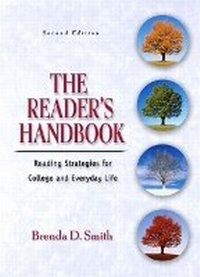
The Reader's Handbook
Reading Strategies for College and Everyday Life
2nd Edition
Published on 18. February 2004
Book
Paperback/Softback
544 pages
978-0-321-10413-7 (ISBN)
Description
The Reader's Handbook is a unique reference tool that provides all the skills, tools, and techniques necessary to read effectively in both college and everyday life.
The Reader's Handbook is organized into three parts: Part 1 is an explanation of strategies for mastering discrete reading skills; Part 2 focuses on reading in a wide variety of different academic disciplines; and Part 3 covers reading in the everyday world (print media, electronic media, contemporary fiction, graphics, mail, workplace, etc.) The Reader's Handbook is meant as a resource for lifelong learning, and contains practice material throughout. Its companion volume, The Lifelong Reader, offers a wealth of additional readings and practices organized along the Handbook's table of contents.
The Reader's Handbook is organized into three parts: Part 1 is an explanation of strategies for mastering discrete reading skills; Part 2 focuses on reading in a wide variety of different academic disciplines; and Part 3 covers reading in the everyday world (print media, electronic media, contemporary fiction, graphics, mail, workplace, etc.) The Reader's Handbook is meant as a resource for lifelong learning, and contains practice material throughout. Its companion volume, The Lifelong Reader, offers a wealth of additional readings and practices organized along the Handbook's table of contents.
More details
Edition
2nd edition
Language
English
Place of publication
United States
Publishing group
Pearson Education (US)
Target group
Professional and scholarly
Dimensions
Height: 232 mm
Width: 159 mm
Weight
739 gr
ISBN-13
978-0-321-10413-7 (9780321104137)
Copyright in bibliographic data and cover images is held by Nielsen Book Services Limited or by the publishers or by their respective licensors: all rights reserved.
Schweitzer Classification
Other editions
New editions
Book
06/2006
3rd Edition
Pearson
€120.07
Article exhausted; check for reprint
Previous edition

Brenda D. Smith
The Reader's Handbook
Book
08/2000
Longman Publishing Group
€51.70
Article exhausted; check for reprint
Person
Brenda D. Smith, Professor Emeritus at Georgia State University, has more than 30 years of teaching experience. Her books have helped more than 100,000 students become better readers. Awarded with the "Outstanding Article in the Journal of Developmental Education" by the National Association of Developmental Educators two years in a row, and named "Distinguished Alumni Professor" by the Georgia State University Alumni Association, Dr. Smith continues to be recognized for her contributions to the field of reading skills.
Content
I. READING STRATEGIES.
1. The Reading Process.
What are the benefits of being a good reader?
What is previewing?
How do you build meaning while reading?
Why recall after reading?
2. Vocabulary.
How do you learn new words?
What clues help unlock the meaning of new words?
What resources can help you with words?
What are analogies?
What are acronyms?
3. The Main Idea.
What is the main idea?
What is a topic?
What is a detail?
What are the strategies for stating a main idea?
4. Details and Organizational Patterns.
Can you recognize levels of importance of details?
Can you distinguish major and minor details?
Can you follow detailed directions?
What are the patterns of organizing ideas?
How do transitional words signal organizational patterns?
5. Inference.
What is an inference?
What is figurative language?
How do you recognize implied meaning?
How do you draw conclusions?
6. Point of View.
What is the author's point of view?
What is the reader's point of view?
How do facts and opinions differ?
What is the author's purpose?
What is the author's tone?
7. Critical Thinking.
What is critical thinking?
What are the steps in critical thinking?
How do creative and critical thinking differ?
8. Reading Rate.
What is your reading rate?
What are the techniques for faster reading?
Why skim?
Why scan?
II. READING IN THE DISCIPLINES.
9. Techniques for Remembering Textbook Information.
How do you organize college textbook reading?
What is annotating?
What is summary writing?
What is note taking?
What is outlining?
What is mapping?
What are mnemonics?
10. Reading in the Humanities.
What are the humanities?
How is history interpreted?
Are speech and communication more than just words?
What is English composition?
How can philosophy teach you how to think?
For further practice: Extended reading selection in history, The "New Era" of the 1920s.
11. Reading Literature, Poetry, and Drama.
What is literature?
How do literary genres differ?
How is literature interpreted?
For further practice: Extended reading selection in literature, Excerpt from Pride and Prejudice, by Jane Austen.
12. Reading in the Social Sciences.
What are the social sciences?
What is psychology?
What is sociology?
What is anthropology?
What is political science?
For further practice: Extended reading selection in psychology, Sleep Deprivation and Disorders of Sleep.
13. Reading in the Natural and Life Sciences.
What are the life and natural sciences?
What is biology?
What is chemistry?
What are allied health sciences?
What are geography and geology?
What is astronomy?
What is environmental science?
For further practice: Extended reading selection in biology, Firefly Flashes.
14. Reading in Mathematics and Computer Sciences.
How can you get the most from your mathematics textbook?
What problem solving strategies can you depend on?
How can you get the most out of your computer science textbook?
For further practice: extended reading selection in computer science, The Study of Algorithms.
15. Reading in the Business Disciplines.
What are the goals of college business courses?
How do management and marketing differ from the other business disciplines?
What is accounting?
What is economics?
For further practice: Extended reading selection in business, Bankruptcy Law.
16. Reading Vocational or Technical Material.
Why choose a vocational or technical school?
What is horticulture?
What are electronic and computer technology?
What is automotive technology?
What is heating and air conditioning technology?
For further practice: Extended reading selection in electronics, Electrocution: The Heart of the Matter.
III. READING IN EVERYDAY LIFE.
17. Reading Past and Present.
Why did people want to read and write?
How did people learn to read in America?
What are modern beliefs, theories, and trends in teaching reading?
Why are book clubs so popular?
How is book club business conducted?
18. Reading Print Media.
How do print media consumers make intelligent purchasing decisions?
How are newspapers organized and what are their elements?
How do you choose a newspaper?
How do you differentiate magazines?
19. Reading Electronic Media.
What are the Internet and World Wide Web?
What is e-mail?
How do you navigate the World Wide Web?
How do you read electronic mail critically?
20. Reading Contemporary Fiction and Nonfiction.
What are the different types of contemporary fiction?
What are the different types of contemporary nonfiction?
What should you consider when selecting a book?
21. Reading Graphics.
What do graphics do?
How do you read graphic material and visual aids?
22. Reading in the Workplace.
How should you manage workplace reading?
What are the different types of workplace reading?
23. Reading Personal Mail.
What should you expect from a letter?
What are the different parts of a bill?
How do you respond to direct mail advertisements?
24. Reading Reference Works and Scholarly Articles.
What reference works are available?
How do you find relevant research references?
How do you read scholarly articles?
Appendixes.
A. Writing Effectively.
B. ESL Pointers: Making Sense of Figurative Language and Idioms.
C. Test-taking Strategies.
Glossary.
Credits.
Index.
1. The Reading Process.
What are the benefits of being a good reader?
What is previewing?
How do you build meaning while reading?
Why recall after reading?
2. Vocabulary.
How do you learn new words?
What clues help unlock the meaning of new words?
What resources can help you with words?
What are analogies?
What are acronyms?
3. The Main Idea.
What is the main idea?
What is a topic?
What is a detail?
What are the strategies for stating a main idea?
4. Details and Organizational Patterns.
Can you recognize levels of importance of details?
Can you distinguish major and minor details?
Can you follow detailed directions?
What are the patterns of organizing ideas?
How do transitional words signal organizational patterns?
5. Inference.
What is an inference?
What is figurative language?
How do you recognize implied meaning?
How do you draw conclusions?
6. Point of View.
What is the author's point of view?
What is the reader's point of view?
How do facts and opinions differ?
What is the author's purpose?
What is the author's tone?
7. Critical Thinking.
What is critical thinking?
What are the steps in critical thinking?
How do creative and critical thinking differ?
8. Reading Rate.
What is your reading rate?
What are the techniques for faster reading?
Why skim?
Why scan?
II. READING IN THE DISCIPLINES.
9. Techniques for Remembering Textbook Information.
How do you organize college textbook reading?
What is annotating?
What is summary writing?
What is note taking?
What is outlining?
What is mapping?
What are mnemonics?
10. Reading in the Humanities.
What are the humanities?
How is history interpreted?
Are speech and communication more than just words?
What is English composition?
How can philosophy teach you how to think?
For further practice: Extended reading selection in history, The "New Era" of the 1920s.
11. Reading Literature, Poetry, and Drama.
What is literature?
How do literary genres differ?
How is literature interpreted?
For further practice: Extended reading selection in literature, Excerpt from Pride and Prejudice, by Jane Austen.
12. Reading in the Social Sciences.
What are the social sciences?
What is psychology?
What is sociology?
What is anthropology?
What is political science?
For further practice: Extended reading selection in psychology, Sleep Deprivation and Disorders of Sleep.
13. Reading in the Natural and Life Sciences.
What are the life and natural sciences?
What is biology?
What is chemistry?
What are allied health sciences?
What are geography and geology?
What is astronomy?
What is environmental science?
For further practice: Extended reading selection in biology, Firefly Flashes.
14. Reading in Mathematics and Computer Sciences.
How can you get the most from your mathematics textbook?
What problem solving strategies can you depend on?
How can you get the most out of your computer science textbook?
For further practice: extended reading selection in computer science, The Study of Algorithms.
15. Reading in the Business Disciplines.
What are the goals of college business courses?
How do management and marketing differ from the other business disciplines?
What is accounting?
What is economics?
For further practice: Extended reading selection in business, Bankruptcy Law.
16. Reading Vocational or Technical Material.
Why choose a vocational or technical school?
What is horticulture?
What are electronic and computer technology?
What is automotive technology?
What is heating and air conditioning technology?
For further practice: Extended reading selection in electronics, Electrocution: The Heart of the Matter.
III. READING IN EVERYDAY LIFE.
17. Reading Past and Present.
Why did people want to read and write?
How did people learn to read in America?
What are modern beliefs, theories, and trends in teaching reading?
Why are book clubs so popular?
How is book club business conducted?
18. Reading Print Media.
How do print media consumers make intelligent purchasing decisions?
How are newspapers organized and what are their elements?
How do you choose a newspaper?
How do you differentiate magazines?
19. Reading Electronic Media.
What are the Internet and World Wide Web?
What is e-mail?
How do you navigate the World Wide Web?
How do you read electronic mail critically?
20. Reading Contemporary Fiction and Nonfiction.
What are the different types of contemporary fiction?
What are the different types of contemporary nonfiction?
What should you consider when selecting a book?
21. Reading Graphics.
What do graphics do?
How do you read graphic material and visual aids?
22. Reading in the Workplace.
How should you manage workplace reading?
What are the different types of workplace reading?
23. Reading Personal Mail.
What should you expect from a letter?
What are the different parts of a bill?
How do you respond to direct mail advertisements?
24. Reading Reference Works and Scholarly Articles.
What reference works are available?
How do you find relevant research references?
How do you read scholarly articles?
Appendixes.
A. Writing Effectively.
B. ESL Pointers: Making Sense of Figurative Language and Idioms.
C. Test-taking Strategies.
Glossary.
Credits.
Index.