

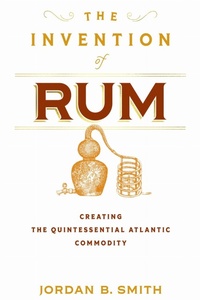
The Invention of Rum
Creating the Quintessential Atlantic Commodity
Published on 30. October 2025
Book
Hardback
320 pages
978-1-5128-2818-4 (ISBN)
Description
Making and consuming rum created a new means of profit that transformed the Atlantic world
It was strong. It was cheap. It was ubiquitous. Fermented and distilled from the refuse of sugar production, rum emerged in the seventeenth-century Caribbean as a new commodity. To conjure something desirable from waste, the makers, movers, and drinkers of rum arrived at its essential qualities through cross-cultural experimentation and exchange. Those profiting most from the sale of rum also relied on plantation slavery, devoured natural resources, and overlooked the physiological effects of overconsumption in their pursuit of profit. Focusing on the lived experiences of British colonists, Indigenous people, and enslaved Africans, The Invention of Rum shows how people engaged in making and consuming this commodity created a new means of profit that transformed the Atlantic world.
Jordan B. Smith guides readers from the fledgling sugar plantations and urban distilleries where new types of alcohol sprung forth to the ships, garrisons, trading posts, and refined tables where denizens of the Atlantic world devoured it. He depicts the enslaved laborers in the Caribbean as they experimented with fermentation, the Londoners caught up in the Gin Craze, the colonial distillers in North America, and the imperial officials and sailors connecting these places. This was a world flooded by rum.
Based on extensive archival research in the Caribbean, North America, and Britain, The Invention of Rum narrates the seventeenth- and eighteenth-century history of one of the Atlantic world's most ubiquitous products. Smith casts this everyday item as both a crucial example of negotiation between Europeans, Africans, and Americans and a harbinger of modernity, connecting rum's early history to the current global market. The book reveals how individuals throughout the Atlantic world encountered-and helped to build-rapidly shifting societies and economies.
It was strong. It was cheap. It was ubiquitous. Fermented and distilled from the refuse of sugar production, rum emerged in the seventeenth-century Caribbean as a new commodity. To conjure something desirable from waste, the makers, movers, and drinkers of rum arrived at its essential qualities through cross-cultural experimentation and exchange. Those profiting most from the sale of rum also relied on plantation slavery, devoured natural resources, and overlooked the physiological effects of overconsumption in their pursuit of profit. Focusing on the lived experiences of British colonists, Indigenous people, and enslaved Africans, The Invention of Rum shows how people engaged in making and consuming this commodity created a new means of profit that transformed the Atlantic world.
Jordan B. Smith guides readers from the fledgling sugar plantations and urban distilleries where new types of alcohol sprung forth to the ships, garrisons, trading posts, and refined tables where denizens of the Atlantic world devoured it. He depicts the enslaved laborers in the Caribbean as they experimented with fermentation, the Londoners caught up in the Gin Craze, the colonial distillers in North America, and the imperial officials and sailors connecting these places. This was a world flooded by rum.
Based on extensive archival research in the Caribbean, North America, and Britain, The Invention of Rum narrates the seventeenth- and eighteenth-century history of one of the Atlantic world's most ubiquitous products. Smith casts this everyday item as both a crucial example of negotiation between Europeans, Africans, and Americans and a harbinger of modernity, connecting rum's early history to the current global market. The book reveals how individuals throughout the Atlantic world encountered-and helped to build-rapidly shifting societies and economies.
More details
Series
Language
English
Place of publication
Pennsylvania
United States
Target group
College/higher education
Product notice
Paper over boards
Illustrations
15 b/w
Dimensions
Height: 162 mm
Width: 236 mm
Thickness: 29 mm
Weight
662 gr
ISBN-13
978-1-5128-2818-4 (9781512828184)
Copyright in bibliographic data and cover images is held by Nielsen Book Services Limited or by the publishers or by their respective licensors: all rights reserved.
Schweitzer Classification
Other editions
Additional editions
E-Book
10/2025
David & Charles
€38.99
Available for download
Person
Jordan B. Smith is Associate Professor of History at Widener University.