

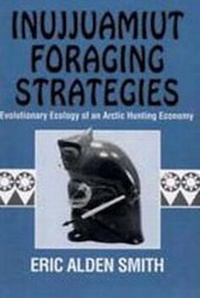
Inujjuamiut Foraging Strategies
Evolutionary Ecology of an Arctic Hunting Economy
1st Edition
Published on 31. December 1991
Book
Hardback
455 pages
978-0-202-01181-3 (ISBN)
Description
Humans have spent most of their evolutionary history in foraging economies. Inujjuamiut Foraging Strategies evaluates the utility of models drawn from evolutionary ecology, including optimal foraging theory, in analyzing the subsistence economy of a contemporary hunting-gathering people. It synthesizes the theory and analytical techniques of evolutionary ecology and microeconomics with the general concern of anthropology, especially ecological anthropology.
More details
Language
English
Place of publication
Somerset
United States
Publishing group
Taylor & Francis Inc
Target group
College/higher education
Weight
771 gr
ISBN-13
978-0-202-01181-3 (9780202011813)
Copyright in bibliographic data and cover images is held by Nielsen Book Services Limited or by the publishers or by their respective licensors: all rights reserved.
Schweitzer Classification
Other editions
Additional editions
Book
01/1992
1st Edition
AldineTransaction
€59.00
Article exhausted; check different version
Content
List of Tables
List of Figures
Preface
Note on Terminology and Orthography
1. The Research Context
Introduction
General Research Strategy
Evolution, Culture, and Human Behavior
Prospect
2. Selection, Optimization, and Foraging Strategies
Natural Selection, Optimization, and Evolutionary Ecology
Optimal Foraging Theory: Logic and Structure
3. Natural History
The Natural Setting
Prey Species
Conclusion
4. Human History
Prehistory
History of the Hudson Bay Coast
The Contemporary Village
5. Inujjuamiut Foraging: An Overview
Fieldwork: Logic and Methods
Contemporary Foraging Patterns
Inputs and Outputs: The Time/Energy Budget
6. Prey Choice
Anthropological Views
Models of Optimal Prey Choice
Inujjuamiut Prey Choice
Summary and Conclusions
7. Time Allocation and Patch Choice
Time Allocation and Patch Choice: Theory
Time Allocation and Patch Choice: Evidence
Conclusions
8. Cooperative Foraging
The Social Dimensions of Foraging
Theory of Cooperative Foraging
Inujjuamiut Foraging Groups
9. Foraging in a Mixed Economy
The Problem of the Mixed Economy
Integrated Measures of Production
The Costs and Benefits of Foraging
Summary and Discussion
10. Conclusions and Implications
Summary of Findings
Implications
References
Author
Index
Subject Index
List of Figures
Preface
Note on Terminology and Orthography
1. The Research Context
Introduction
General Research Strategy
Evolution, Culture, and Human Behavior
Prospect
2. Selection, Optimization, and Foraging Strategies
Natural Selection, Optimization, and Evolutionary Ecology
Optimal Foraging Theory: Logic and Structure
3. Natural History
The Natural Setting
Prey Species
Conclusion
4. Human History
Prehistory
History of the Hudson Bay Coast
The Contemporary Village
5. Inujjuamiut Foraging: An Overview
Fieldwork: Logic and Methods
Contemporary Foraging Patterns
Inputs and Outputs: The Time/Energy Budget
6. Prey Choice
Anthropological Views
Models of Optimal Prey Choice
Inujjuamiut Prey Choice
Summary and Conclusions
7. Time Allocation and Patch Choice
Time Allocation and Patch Choice: Theory
Time Allocation and Patch Choice: Evidence
Conclusions
8. Cooperative Foraging
The Social Dimensions of Foraging
Theory of Cooperative Foraging
Inujjuamiut Foraging Groups
9. Foraging in a Mixed Economy
The Problem of the Mixed Economy
Integrated Measures of Production
The Costs and Benefits of Foraging
Summary and Discussion
10. Conclusions and Implications
Summary of Findings
Implications
References
Author
Index
Subject Index