

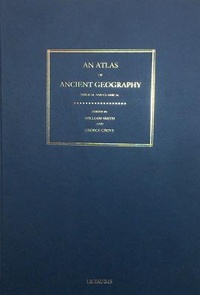
An Atlas of Ancient Geography, Biblical and Classical
Maps of the Ancient World
Published on 28. March 2013
Book
Hardback
256 pages
978-1-84885-352-2 (ISBN)
Description
Richard Talbert is William Rand Kenan Jr. Professor of History and Classics at the University of North Carolina at Chapel Hill, USA. He is an international authority on the cartography of the ancient world and is the editor of "The Barrington Atlas of the Greek and Roman World". Published to complement his Greek and Roman dictionaries, "An Atlas of Ancient Geography, Biblical and Classical" by Sir William Smith is the rarest and most visually compelling of the volumes. Produced to the highest standard by the leading mapmaker of the day, the maps - large-scale, small-scale, historical, topographical, multiple city plans and other insets - are clear, detailed, intricately colored works of art. "The Atlas" provides the first complete set of maps of the ancient world, both classical and biblical. A full index of names and places, both ancient and modern, accompanies each of the larger maps. For each map there is also an accompanying text, giving sources and authorities for them. This handsome edition is introduced by Richard Talbert, William Rand Kenan Jr.
Professor of History and Classics at the University of North Carolina at Chapel Hill, and one of the world's foremost scholars of the cartography of the ancient world. Academics, collectors and libraries will welcome the opportunity to acquire a copy of this extremely rare landmark work.
Professor of History and Classics at the University of North Carolina at Chapel Hill, and one of the world's foremost scholars of the cartography of the ancient world. Academics, collectors and libraries will welcome the opportunity to acquire a copy of this extremely rare landmark work.
More details
Language
English
Place of publication
United Kingdom
Publishing group
Bloomsbury Publishing PLC
Target group
College/higher education
Professional and scholarly
Illustrations
full colour maps & plans
Dimensions
Height: 495 mm
Width: 339 mm
Weight
4249 gr
ISBN-13
978-1-84885-352-2 (9781848853522)
Copyright in bibliographic data and cover images is held by Nielsen Book Services Limited or by the publishers or by their respective licensors: all rights reserved.
Schweitzer Classification
Persons
The name of Sir William Smith (1813-1893) will forever be associated with the re-birth of classics in Britain. Lexicographer, classical and biblical scholar, he wrote, edited and contributed to many works of reference and textbooks, including the three great classical dictionaries (recently re-issued by I.B. Tauris) which made his name a household word. From 1853 to 1869 he was classical examiner to the University of London, where he became a member of the Senate, and he was for twenty-five years editor of the prestigious Quarterly Review. A member of the Royal Commisssion on Copyright, he was knighted in 1892.
Content
Introduction by Richard Talbert
1. Geographical Systems of the Ancients
(i) The World According to Homerus
(ii) The World According to Hecataeus
(iii) The World According to Herodotus
(iv) The World According to Ephorus
(v) The World According to Timosthenes
(vi) The World According to Erathosthenes
(vii) The World According to Strabo
(viii) The World According to Pomponius Mela
(ix) The World Accordig to Dionysius Periegetes
(x) The World According to Ptolemy
(xi) The World According to the Geographer of Ravenna
(xii) Tabula Ventorum
2. The World as Known to the Ancients
3. Empires of the Baylonians, Lydians, Medes, and Persians
4. Empire of Alexander the Great
5. Kingdoms of the Successors of Alexander the Great: Part I
(i) After the Division at Babylon (323) and Triparadisus (321)
(ii) After the Battle of Ipsus (301)
(iii) In the Middle of the Third Century
6. Kingdoms of the Successors of Alexander the great: Part II
(i) In the Middle of the Third Century
(ii) Empire of the Parthians
7.The Roman Empire in its Greatest Extent
8. The Roman Empires After its Division into the Eastern and Western Empires
9. Greek and Phoenician Colonies
(i) Italia Inferior, Magna Graeca, at the Time of the Peloponnesian War
(ii) Sicily at the Time of the Peloponnesian War
(iii) Syracuse
(iv) Agrigentum
(v) Bosporus Cimmerius
(vi) Chersonesus Heracleotica
(vii) The Western Coast of Libya
10. Britannia
(i) The Wall of Hadrian
11. Hispania
12. Gallia
(i) Gallia at the Time of Caesar
(ii) Insula Batavorum
13.Germania, Rhaetia, Noricum
(i) Germani Magna, According to Ptolemy
14. Thracia, Moesia, Illyria, Pannonia, Dacia
(i) Bosporus Thracius
15. Historical Maps of Italy, Sardinia, Corsica
(i) Italy before the Immigration of the Galli in the Sixth Century BC
(ii) Vetus Latium from 384 BC
(iii) Italy at the beginning of the First Punic War, 264 BC
(iv) Miltary Map of Italy about 150 BC
(v) Italy in the First Century BC, after the Social War (91-88) and before the Battle of Actium (31)
(vi) Italy Divided into Eleven Regions by Augustus
(vii) Italiae Doecesis Divided into Seventeen provinces, in the Fourth Century after Christ
16. Italia Superior
17. Italia Inferior. Sicilia
(i) Sinus Paestanus
18. Plan of Rome in the Times of the Emperors
(i) Rome during the Republic
(ii) The Forum before the Time of Julius Caesar
(iii) The Forum Ramanum under the Empire and the Imperial Fora
19. Environs of Rome
20. Greece after the Doric Migration
(i) Plan of Troy
(ii) Greece in the Heroic Age
21. Greece at the Time of the Persian Wars
22. Greece in the Beginning of the Peloponnesian War
(i) Maps of Towns Tributary to the Athenians
23. Greece at the Time of the Achaean and Aetolian Leagues
24. Northern Greece - Hellas, Epirus, Thessalia, Macedonia
25. Central Greece - Attica,Boeotia, Locris, Phocis, Doris, Malis
(i) Plan of Athens
(ii) Acropolis
(iii) The Harbours of Athens
(iv) The Environs of Athens
(v) Eleusis
(vi) Marathon
26. Peloponnesus
(i) Plan of Sparta
27. Coasts and Islands of the Aegaean Sea
28. Historical Maps of Asia Minor
(i) At the Time of the Persian Kings
(ii) After the battle of Magnesia
(iii) Asia Minor and the Adjacent Countries at the Time of Mithridates the Great
(iv) Asia Minor at te Time after Diocletian
29. Asia Minor
30. Arabia and Aethiopia
31. India
(i) India Trans Gangem
(ii) Indorum Provincia Pontepotamica, at the Time of A
1. Geographical Systems of the Ancients
(i) The World According to Homerus
(ii) The World According to Hecataeus
(iii) The World According to Herodotus
(iv) The World According to Ephorus
(v) The World According to Timosthenes
(vi) The World According to Erathosthenes
(vii) The World According to Strabo
(viii) The World According to Pomponius Mela
(ix) The World Accordig to Dionysius Periegetes
(x) The World According to Ptolemy
(xi) The World According to the Geographer of Ravenna
(xii) Tabula Ventorum
2. The World as Known to the Ancients
3. Empires of the Baylonians, Lydians, Medes, and Persians
4. Empire of Alexander the Great
5. Kingdoms of the Successors of Alexander the Great: Part I
(i) After the Division at Babylon (323) and Triparadisus (321)
(ii) After the Battle of Ipsus (301)
(iii) In the Middle of the Third Century
6. Kingdoms of the Successors of Alexander the great: Part II
(i) In the Middle of the Third Century
(ii) Empire of the Parthians
7.The Roman Empire in its Greatest Extent
8. The Roman Empires After its Division into the Eastern and Western Empires
9. Greek and Phoenician Colonies
(i) Italia Inferior, Magna Graeca, at the Time of the Peloponnesian War
(ii) Sicily at the Time of the Peloponnesian War
(iii) Syracuse
(iv) Agrigentum
(v) Bosporus Cimmerius
(vi) Chersonesus Heracleotica
(vii) The Western Coast of Libya
10. Britannia
(i) The Wall of Hadrian
11. Hispania
12. Gallia
(i) Gallia at the Time of Caesar
(ii) Insula Batavorum
13.Germania, Rhaetia, Noricum
(i) Germani Magna, According to Ptolemy
14. Thracia, Moesia, Illyria, Pannonia, Dacia
(i) Bosporus Thracius
15. Historical Maps of Italy, Sardinia, Corsica
(i) Italy before the Immigration of the Galli in the Sixth Century BC
(ii) Vetus Latium from 384 BC
(iii) Italy at the beginning of the First Punic War, 264 BC
(iv) Miltary Map of Italy about 150 BC
(v) Italy in the First Century BC, after the Social War (91-88) and before the Battle of Actium (31)
(vi) Italy Divided into Eleven Regions by Augustus
(vii) Italiae Doecesis Divided into Seventeen provinces, in the Fourth Century after Christ
16. Italia Superior
17. Italia Inferior. Sicilia
(i) Sinus Paestanus
18. Plan of Rome in the Times of the Emperors
(i) Rome during the Republic
(ii) The Forum before the Time of Julius Caesar
(iii) The Forum Ramanum under the Empire and the Imperial Fora
19. Environs of Rome
20. Greece after the Doric Migration
(i) Plan of Troy
(ii) Greece in the Heroic Age
21. Greece at the Time of the Persian Wars
22. Greece in the Beginning of the Peloponnesian War
(i) Maps of Towns Tributary to the Athenians
23. Greece at the Time of the Achaean and Aetolian Leagues
24. Northern Greece - Hellas, Epirus, Thessalia, Macedonia
25. Central Greece - Attica,Boeotia, Locris, Phocis, Doris, Malis
(i) Plan of Athens
(ii) Acropolis
(iii) The Harbours of Athens
(iv) The Environs of Athens
(v) Eleusis
(vi) Marathon
26. Peloponnesus
(i) Plan of Sparta
27. Coasts and Islands of the Aegaean Sea
28. Historical Maps of Asia Minor
(i) At the Time of the Persian Kings
(ii) After the battle of Magnesia
(iii) Asia Minor and the Adjacent Countries at the Time of Mithridates the Great
(iv) Asia Minor at te Time after Diocletian
29. Asia Minor
30. Arabia and Aethiopia
31. India
(i) India Trans Gangem
(ii) Indorum Provincia Pontepotamica, at the Time of A