

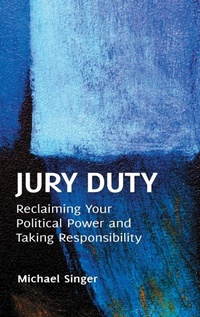
Jury Duty
Reclaiming Your Political Power and Taking Responsibility
Published on 6. July 2012
Book
Hardback
256 pages
978-1-4408-0269-0 (ISBN)
Description
Written by a legal scholar for the general reader, this book demystifies the institution of the jury and validates its political power, providing valuable insights for the more than 30 million Americans who receive a jury summons each year.
Jury Duty: Reclaiming Your Political Power and Taking Responsibility presents an accessible account of the origins and development of the jury system as well as a comprehensive, stage-by-stage description of a jury trial and of the sentencing procedure in a criminal trial. The work also provides a unique estimate of the cost of the jury system, which is particularly relevant in this continuing era of budget constraints.
Rejecting the justifications usually given for the jury system, the work explains how the political roles of the jury constitute the chief value of the jury system. The basis of these political roles is the unquestionable power of the jury to acquit even a guilty criminal defendant, which allows juries to prevent the enforcement of unjust laws and the imposition of unjust punishments. Accordingly, the book challenges a range of practices that the judiciary has developed to obstruct the jury's exercise of this power. Most people-even including many lawyers-remain unaware of these practices, but they undermine the value of the jury system to our society. Finally, the book offers an original, thought-provoking analysis of the responsibilities imposed on criminal trial jurors in cases of compelling injustice.
Jury Duty: Reclaiming Your Political Power and Taking Responsibility presents an accessible account of the origins and development of the jury system as well as a comprehensive, stage-by-stage description of a jury trial and of the sentencing procedure in a criminal trial. The work also provides a unique estimate of the cost of the jury system, which is particularly relevant in this continuing era of budget constraints.
Rejecting the justifications usually given for the jury system, the work explains how the political roles of the jury constitute the chief value of the jury system. The basis of these political roles is the unquestionable power of the jury to acquit even a guilty criminal defendant, which allows juries to prevent the enforcement of unjust laws and the imposition of unjust punishments. Accordingly, the book challenges a range of practices that the judiciary has developed to obstruct the jury's exercise of this power. Most people-even including many lawyers-remain unaware of these practices, but they undermine the value of the jury system to our society. Finally, the book offers an original, thought-provoking analysis of the responsibilities imposed on criminal trial jurors in cases of compelling injustice.
Reviews / Votes
This detailed book would work in judicial process courses as an introduction to the controversy surrounding the jury system. Summing Up: Recommended. General readers, undergraduate students, graduate students, and professionals. * Choice *More details
Language
English
Place of publication
United States
Publishing group
Bloomsbury Publishing Plc
Target group
Adult education
Dimensions
Height: 240 mm
Width: 161 mm
Thickness: 18 mm
Weight
552 gr
ISBN-13
978-1-4408-0269-0 (9781440802690)
Copyright in bibliographic data and cover images is held by Nielsen Book Services Limited or by the publishers or by their respective licensors: all rights reserved.
Schweitzer Classification
Other editions
Additional editions
E-Book
07/2012
1st Edition
Praeger Publishers Inc
€55.99
Available for download
E-Book
07/2012
1st Edition
Praeger Publishers Inc
€55.99
Available for download
Person
Michael Singer, MA, PhD, JD, is professor at the School of Law at King's College London, England.
Content
Acknowledgments
Introduction
PART I The Basics of the Jury System
Chapter 1 How the Jury System Works
Chapter 2 What the Jury System Costs
Chapter 3 Citizens as Jurors in the Justice System
PART II Myths about the Jury System
Chapter 4 The Myth of Improved Trial Outcomes
Chapter 5 The Myth of Promoting Democratic Citizenship
PART III The Jury as Political Institution
Chapter 6 The Long History of the Nullification Power
Chapter 7 The Jury as Safeguard against Government
Chapter 8 The Worth of the Jury System
PART IV Government Obstruction of the Jury
Chapter 9 Obstruction of the Jury in the Trial Process
Chapter 10 Obstruction of the Jury in the Sentencing Process
PART V Jury Responsibility
Chapter 11 Discretion and Responsibility
Chapter 12 Conscientious Fulfillment of Jury Duty
Chapter 13 Juror Responsibility for Unjust Prison Conditions
Notes
Bibliography
Index
Introduction
PART I The Basics of the Jury System
Chapter 1 How the Jury System Works
Chapter 2 What the Jury System Costs
Chapter 3 Citizens as Jurors in the Justice System
PART II Myths about the Jury System
Chapter 4 The Myth of Improved Trial Outcomes
Chapter 5 The Myth of Promoting Democratic Citizenship
PART III The Jury as Political Institution
Chapter 6 The Long History of the Nullification Power
Chapter 7 The Jury as Safeguard against Government
Chapter 8 The Worth of the Jury System
PART IV Government Obstruction of the Jury
Chapter 9 Obstruction of the Jury in the Trial Process
Chapter 10 Obstruction of the Jury in the Sentencing Process
PART V Jury Responsibility
Chapter 11 Discretion and Responsibility
Chapter 12 Conscientious Fulfillment of Jury Duty
Chapter 13 Juror Responsibility for Unjust Prison Conditions
Notes
Bibliography
Index