

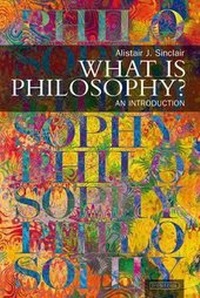
What is Philosophy?
An Introduction
Published on 22. May 2008
Book
Paperback/Softback
160 pages
978-1-903765-94-4 (ISBN)
Description
It is difficult to see any common factors underlying all the different philosophies and movements of philosophy. The so-called 'great philosophers' seem to have little in common with each other. The history of western philosophy features a bewildering variety of philosophical movements that pop up from nowhere. Philosophy itself seems to be an unfathomable subject that applies everywhere and nowhere. This book makes sense of all these disparities and confusions. What is Philosophy? shows the importance of philosophy in our thoughts and our lives. It also makes clear the role that philosophy has played in making western culture so dominant in the early 21st century. The book presents an orderly view of philosophy, what it consists of, and where it appears to be going. The book also gives a unified view of how philosophy developed historically and how philosophy has often moved from dogmatism to scepticism and vice versa. Providing a comprehensive view of the whole field of philosophy, i
Reviews / Votes
'Overall, What is Philosophy? is a clear, useful, and welcoming introduction to philosophy. Sinclair's love and admiration for the discipline and the potential of philosophy to benefit the world are obvious. To the degree that feelings of the author influence readers, the future of philosophy may be the resolution of entrenched philosophical arguments and the emergence of the discipline as a direct public benefactor.' Teaching PhilosophyMore details
Language
English
Place of publication
Liverpool
United Kingdom
Target group
College/higher education
Illustrations
Illustrations
Dimensions
Height: 234 mm
Width: 156 mm
Thickness: 15 mm
Weight
294 gr
ISBN-13
978-1-903765-94-4 (9781903765944)
Copyright in bibliographic data and cover images is held by Nielsen Book Services Limited or by the publishers or by their respective licensors: all rights reserved.
Schweitzer Classification
Other editions
Additional editions
E-Book
05/2008
1st Edition
Dunedin Academic Press Ltd
€19.99
Available for download
Person
Dr. Alistair J. Sinclair is an independent philosopher living in Glasgow. For many years, he taught philosophy courses for adult learners in the University of StrathclydeAca'?a"cs Continuing Education programme.
Content
Introduction. What Philosophy is About - How Philosophy Works - The Study of Philosophy - Types of Philosopher - Why Are There No Great Women Philosophers? - How to be a Great Philosopher - Be a True Philosopher! - The Benefits of Philosophy - Learning the Core of Philosophy - The Omnicompetence of Philosophy - Philosophy as a Western Phenomenon. Part One - The Development of Philosophy
1: Early Greek Philosophy. Why Philosophy Arose Among The Greeks - Thales - Anaximander - Anaximenes - Pythagoras - Heracleitus - Parmenides - Zeno's Paradoxes - Empedocles - Democritus - The Achievements of the Early Greek Philosophers - The Nature of Early Greek Speculation.
2: Classical Greek Philosophy. Socrates - The Trial of Socrates - Plato -The Republic - Plato's Dialogues - Aristotle - Organon - Metaphysics - Ethics - The Development of Schools of Philosophy - The Stoics - Epicurus - The Schools of Philosophy in Later Antiquity - Learned Women in Antiquity
3: Medieval Philosophy. The Christian Theologians - Augustine - The Revival of Philosophy and Learning - Aquinas - Duns Scotus - Arguments of the Existence of God - The Onset of the Renaissance
4: 17th Century Philosophy. Bacon - Empiricism and Rationalism - Descartes - Spinoza - Leibniz - The Origins of English Empiricism - Hobbes - Locke.
5: 18th Century Philosophy. Berkeley - The Scottish Enlightenment - Hume - Adam Smith - Thomas Reid - Kant - The French Enlightenment.
6: 19th Century Philosophy. Fichte - Schelling - Hegel - Schopenhauer - Nietzsche - Kierkegaard - Marx - Mill - James - British Hegelian Philosophy
7: 20th Century Philosophy. G.E. Moore - Bertrand Russell - Wittgenstein - Heidegger - Sartre - Popper - Quine - Rorty - Derrida.
Part Two - Philosophical Subjects
1: Core Subjects. Epistemology - Ontology - Metaphysics - Logic - Ethics - Aesthetics.
2: Peripheral Subjects: Philosophy of Science - Philosophy of Psychology - Political Philosophy - Philosophy of Religion - Philosophy of History - Philosophy of Language - Philosophy of Literature.
3: 20th Century Movements: Idealism - Phenomenology - Pragmatism - Analytical Philosophy - Scientism - Existentialism - Postmodernism.
Part Three - Philosophical Problems
Reality - Knowledge - Causation - Induction - Facts and Values - Personal Identity - Mind and Body - Freewill - Time - Truth - What Are We Here For?
References & Bibliography
1: Early Greek Philosophy. Why Philosophy Arose Among The Greeks - Thales - Anaximander - Anaximenes - Pythagoras - Heracleitus - Parmenides - Zeno's Paradoxes - Empedocles - Democritus - The Achievements of the Early Greek Philosophers - The Nature of Early Greek Speculation.
2: Classical Greek Philosophy. Socrates - The Trial of Socrates - Plato -The Republic - Plato's Dialogues - Aristotle - Organon - Metaphysics - Ethics - The Development of Schools of Philosophy - The Stoics - Epicurus - The Schools of Philosophy in Later Antiquity - Learned Women in Antiquity
3: Medieval Philosophy. The Christian Theologians - Augustine - The Revival of Philosophy and Learning - Aquinas - Duns Scotus - Arguments of the Existence of God - The Onset of the Renaissance
4: 17th Century Philosophy. Bacon - Empiricism and Rationalism - Descartes - Spinoza - Leibniz - The Origins of English Empiricism - Hobbes - Locke.
5: 18th Century Philosophy. Berkeley - The Scottish Enlightenment - Hume - Adam Smith - Thomas Reid - Kant - The French Enlightenment.
6: 19th Century Philosophy. Fichte - Schelling - Hegel - Schopenhauer - Nietzsche - Kierkegaard - Marx - Mill - James - British Hegelian Philosophy
7: 20th Century Philosophy. G.E. Moore - Bertrand Russell - Wittgenstein - Heidegger - Sartre - Popper - Quine - Rorty - Derrida.
Part Two - Philosophical Subjects
1: Core Subjects. Epistemology - Ontology - Metaphysics - Logic - Ethics - Aesthetics.
2: Peripheral Subjects: Philosophy of Science - Philosophy of Psychology - Political Philosophy - Philosophy of Religion - Philosophy of History - Philosophy of Language - Philosophy of Literature.
3: 20th Century Movements: Idealism - Phenomenology - Pragmatism - Analytical Philosophy - Scientism - Existentialism - Postmodernism.
Part Three - Philosophical Problems
Reality - Knowledge - Causation - Induction - Facts and Values - Personal Identity - Mind and Body - Freewill - Time - Truth - What Are We Here For?
References & Bibliography