

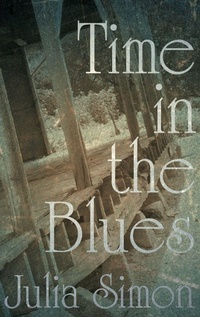
Time in the Blues
Published on 12. October 2017
Book
Hardback
274 pages
978-0-19-066655-2 (ISBN)
Description
Spontaneity, immediacy and feeling characterize the blues as a genre. Whether it's the movement of call and response, the expressive bends and wails of voice and instruments or the synergistic relationship between audience and performers, the blues embody a kind of "living in the moment" aesthetic. At the same time, the blues genre has always responded in a unique way to its historical moment, its formal characteristics, figures, and devices constantly emerging from--and speaking to--the social relations emanating from Jim Crow segregation, sharecropping, racist violence, and migration.
Time in the Blues presents an interdisciplinary analysis of the specific forms of temporality produced by and reflected in the blues. Examining time as it is represented, enacted, and experienced through the blues, interdisciplinary scholar Julia Simon addresses how the material conditions in the early twentieth century shaped a musical genre. The technical aspects of the blues--ostinato patterns, cyclical changes, improvisation, call and response--emerge from and speak to the Jim Crow era's economic, social, and political relations. Through this temporal analysis, Simon addresses how the moment-to-moment aspect of time in blues performance relates to the genre's location within historical time, with careful examinations of the historical performance and reception of blues music from the 1920s to the present day. Simon examines the structuring of time, and analyzes temporality to open the broader questions of desire, agency, self-definition, faith, and forms of resistance as they are articulated in this music. Ultimately, Time in the Blues, argues for the relevance, significance, and importance of time in the blues for shared values of community and a vision of social justice.
Time in the Blues presents an interdisciplinary analysis of the specific forms of temporality produced by and reflected in the blues. Examining time as it is represented, enacted, and experienced through the blues, interdisciplinary scholar Julia Simon addresses how the material conditions in the early twentieth century shaped a musical genre. The technical aspects of the blues--ostinato patterns, cyclical changes, improvisation, call and response--emerge from and speak to the Jim Crow era's economic, social, and political relations. Through this temporal analysis, Simon addresses how the moment-to-moment aspect of time in blues performance relates to the genre's location within historical time, with careful examinations of the historical performance and reception of blues music from the 1920s to the present day. Simon examines the structuring of time, and analyzes temporality to open the broader questions of desire, agency, self-definition, faith, and forms of resistance as they are articulated in this music. Ultimately, Time in the Blues, argues for the relevance, significance, and importance of time in the blues for shared values of community and a vision of social justice.
More details
Language
English
Place of publication
New York
United States
Dimensions
Height: 240 mm
Width: 161 mm
Thickness: 19 mm
Weight
578 gr
ISBN-13
978-0-19-066655-2 (9780190666552)
Copyright in bibliographic data and cover images is held by Nielsen Book Services Limited or by the publishers or by their respective licensors: all rights reserved.
Schweitzer Classification
Other editions
Additional editions
Person
Julia Simon is Professor of French at the University of California, Davis. She is the author, most recently, of Rousseau Among the Moderns: Music, Aesthetics, Politics. Her interests in the blues spring from her experience as a blues musician, as bass player and vocalist in the duo, Chicken & Dumpling, and the electric band, Julie and the Jukes.
Content
- Table of Contents
- Acknowledgments
- Introduction
- Chapter 1 Theoretical Considerations
- Chapter 2 Sharecropping, Risk, Time, and Agency: Fattening Frogs for Snakes
- Chapter 3 Waiting: Longing, Prison, Addiction, and the Enduring Present
- Chapter 4 Tense, Mood, and Aspect: Story-Telling and Migration
- Chapter 5 Objects, Fragments, Scenes, and the Construction of Narrative
- Chapter 6 Time, Tradition, Performance, and the Aesthetic Object: Repetition
- Conclusion
- Discography
- Bibliography