

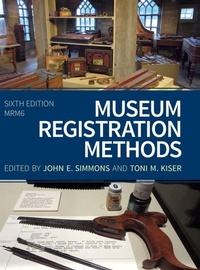
Museum Registration Methods
6th Edition
Published on 22. June 2020
Book
Hardback
604 pages
978-1-5381-1310-3 (ISBN)
Description
Since the first edition was published in 1958, Museum Registration Methods has defined the profession and served as a fundamental reference for all aspects of collections registration, care, and management. The sixth edition of Museum Registration Methods is a comprehensive guide to registration and collections management for museums, from acquisition to use and deaccessioning.
The authors and other contributors come from a wide variety of museums and specializations. The 56 chapters in this edition are either new or updated, and include the history of the profession, the role of the registrar in the museum, managing very large collections, developing and implementing collection management policies, documentation of collections, accessioning, condition reports, deaccessioning, repositories, and provenance research. Contemporary and digital art, living and natural history collections, loans, exhibitions, found-in-collection objects, shipping, records management, and electronic data management are also addressed, along with object handling and numbering, digitization, condition reporting, preventive care, storage on and off-site, inventory, moving and packing, shipping nationally and internationally, couriering, risk assessment, security, insurance, integrated pest management, ethics, sustainability, sacred and culturally sensitive objects, intellectual property rights, appraisal, ethical and legal issues, and research.
The book includes a comprehensive resource list, glossary, hypothetical situations to ponder, and model collection forms.
The authors and other contributors come from a wide variety of museums and specializations. The 56 chapters in this edition are either new or updated, and include the history of the profession, the role of the registrar in the museum, managing very large collections, developing and implementing collection management policies, documentation of collections, accessioning, condition reports, deaccessioning, repositories, and provenance research. Contemporary and digital art, living and natural history collections, loans, exhibitions, found-in-collection objects, shipping, records management, and electronic data management are also addressed, along with object handling and numbering, digitization, condition reporting, preventive care, storage on and off-site, inventory, moving and packing, shipping nationally and internationally, couriering, risk assessment, security, insurance, integrated pest management, ethics, sustainability, sacred and culturally sensitive objects, intellectual property rights, appraisal, ethical and legal issues, and research.
The book includes a comprehensive resource list, glossary, hypothetical situations to ponder, and model collection forms.
Reviews / Votes
As strong as ever, this edition benefits all kinds of museums-from art to natural history-and all sizes of museums-from large to small. Its structure is straightforward and useful, good for seasoned professionals as well as those newer to the practice. The edition nicely blends extensive updating where necessary (e.g. sections on digital practices) while remaining strong in other more foundational areas (e.g. manual records systems, still used in many museums). No wonder it is referred to as the 'bible' of museum registration! -- Kiersten F. Latham, Director of Arts & Cultural Management and Museum Studies, Associate Professor in the Department of Art, Art History, and Design at Michigan State University Museum Registration Methods has been, for many years, one of the most authoritative, dependable, and detailed books in the collections management and registrarial domain. MRM6, edited by John E. Simmons and Toni M. Kiser, builds on the MRM heritage and takes it to a new level of expert and professional greatness. The 6th edition has been thoroughly updated, expanded, and deepened in its scope and breadth of museum collections knowledge, written with a keen awareness of the demands of this field in the 21st century. It is as useful for the newcomer as it is for the veteran collections professional, is relevant to all collections areas of specialization and scholarship, and manages to convey an enormous amount of information at a highly readable and accessible level. Simmons and Kiser have overseen a magnificent update of this classic reference handbook. It should be on the working bookshelves of every museum collection. -- Sally Shelton, assistant chair, Heritage and Museum Sciences Graduate Program, The Museum of Texas Tech UniversityMore details
Series
Edition
6th edition
Language
English
Place of publication
United States
Publishing group
Bloomsbury Publishing Plc
Target group
College/higher education
US School Grade: From College Freshman to College Graduate Student, Interest Age: From 18 to 22 years
Illustrations
49 b/w photos; 29 tables; 20 textboxes
Dimensions
Height: 286 mm
Width: 221 mm
Thickness: 37 mm
Weight
1758 gr
ISBN-13
978-1-5381-1310-3 (9781538113103)
Copyright in bibliographic data and cover images is held by Nielsen Book Services Limited or by the publishers or by their respective licensors: all rights reserved.
Schweitzer Classification
Other editions
Additional editions
John E. Simmons | Toni M. Kiser
Museum Registration Methods
E-Book
06/2020
6th Edition
American Alliance Of Museums
€98.99
Available for download
John E. Simmons | Toni M. Kiser
Museum Registration Methods
E-Book
06/2020
6th Edition
American Alliance of Museums
€98.99
Available for download
Persons
John E. Simmons has been a zookeeper, collections manager, field collector, university lecturer, editor, writer, and consultant. He currently teaches workshops and museum studies classes in the United States and internationally and serves as Associate Curator of Collections for the Earth and Mineral Sciences Museum & Art Gallery at Penn State University.
Toni Kiser is the Assistant Director for Collections Management at The National WWII Museum. She oversees all aspects of registration and collection management and has worked on various projects including large exhibition installations, digitization projects, storage moves, artifact re-housing, and cataloging and nomenclature standards.
Toni Kiser is the Assistant Director for Collections Management at The National WWII Museum. She oversees all aspects of registration and collection management and has worked on various projects including large exhibition installations, digitization projects, storage moves, artifact re-housing, and cataloging and nomenclature standards.
Content
Table of Contents
List of Figures
List of Tables
List of Sample Collection Forms
Acknowledgements
Letter from the Collections Stewardship Chairperson
Letter from the ARCS Chairperson
Preface
Part I-The Profession
Chapter 1A. A Very Brief History of the Profession
Chapter 1B. The Straw that Stirs the Drink?The Role of the Registrar in the Museum World
Chapter 1C. Resources for Registrars and Collections Managers
Chapter 1D. Caring for the Nation's Treasures?The National Park Service Museum Program
Part 2-Collection Management Policies
Chapter 2. Collection Management Policies
Part 3-The Basics
Chapter 3A. Initial Custody and Documentation
Chapter 3B. Acquisitions and Accessioning
Chapter 3C. Repositories
Chapter 3D. Provenance Research in Museums-An Overview
Chapter 3E. Documenting Contemporary Art
Chapter 3F. Living and Natural History Collections Registration
Chapter 3G. Managing Digital Art
Chapter 3H. Old Loans and Museum Property Laws
Chapter 3I. Deaccessioning and Disposal
Chapter 3J. Found in Collection
Chapter 3K. Loans
Chapter 3L. Organizing Loan and Traveling Exhibits
Chapter 3M. Displays from Within-Considerations for Collections-Based Exhibits
Part 4-Records Management
Chapter 4A. Types of Records and Files
Chapter 4B. Manual Systems
Chapter 4C. Computer Systems and Data Management
Chapter 4D. Digital Asset Management Systems
Chapter 4E. Basic Components of Institutional Archives
Part 5-Collections Management
Chapter 5A. Numbering
Chapter 5B. Object Handling
Chapter 5C-Digitization
Chapter 5D. Measuring
Chapter 5E. Condition Reporting
Chapter 5F. Marking
Chapter 5G. Bar Codes and RFID Tags
Chapter 5H. Photography
Chapter 5I. Preventive Care
Chapter 5J. Storage
Chapter 5K. Inventory
Chapter 5L. Preparation
Chapter 5M. Moving and Rigging Safely
Chapter 5N, Packing and Crating
Chapter 5O, Shipping by Land, Air, and Sea
Chapter 5P. Import and Export: Guidelines for International Shipping
Chapter 5Q. Couriering
Chapter 5R. Off-site Storage
Part 6-Risk Assessment and Management
Chapter 6A. Risk Management Overview
Chapter 6B. Emergencies?Prepare, Respond, Recover
Chapter 6C. Security Systems and Fire Protection Systems
Chapter 6D. Insurance
Chapter 6E. Integrated Pest Management
Chapter 6F. Registrars and Sustainability
Part 7-Ethical and Legal Issues
Chapter 7A. Ethics for Registrars and Collections Managers
Chapter 7B. The Care of Sacred and Culturally Sensitive Objects
Chapter 7C. Copyright
Chapter 7D. Rights and reproductions
Chapter 7E. Appraisal
Chapter 7F. Implementing NAGPRA
Chapter 7G. Biological Materials-Fish, Wildlife, and Plants
Part 8-Use of Collections
Chapter 8A. Hosting Traveling Exhibitions
Chapter 8B. Research
For Your Consideration
Glossary
About the Editors and Contributors
Appendix Collection Forms
Index
List of Figures
List of Tables
List of Sample Collection Forms
Acknowledgements
Letter from the Collections Stewardship Chairperson
Letter from the ARCS Chairperson
Preface
Part I-The Profession
Chapter 1A. A Very Brief History of the Profession
Chapter 1B. The Straw that Stirs the Drink?The Role of the Registrar in the Museum World
Chapter 1C. Resources for Registrars and Collections Managers
Chapter 1D. Caring for the Nation's Treasures?The National Park Service Museum Program
Part 2-Collection Management Policies
Chapter 2. Collection Management Policies
Part 3-The Basics
Chapter 3A. Initial Custody and Documentation
Chapter 3B. Acquisitions and Accessioning
Chapter 3C. Repositories
Chapter 3D. Provenance Research in Museums-An Overview
Chapter 3E. Documenting Contemporary Art
Chapter 3F. Living and Natural History Collections Registration
Chapter 3G. Managing Digital Art
Chapter 3H. Old Loans and Museum Property Laws
Chapter 3I. Deaccessioning and Disposal
Chapter 3J. Found in Collection
Chapter 3K. Loans
Chapter 3L. Organizing Loan and Traveling Exhibits
Chapter 3M. Displays from Within-Considerations for Collections-Based Exhibits
Part 4-Records Management
Chapter 4A. Types of Records and Files
Chapter 4B. Manual Systems
Chapter 4C. Computer Systems and Data Management
Chapter 4D. Digital Asset Management Systems
Chapter 4E. Basic Components of Institutional Archives
Part 5-Collections Management
Chapter 5A. Numbering
Chapter 5B. Object Handling
Chapter 5C-Digitization
Chapter 5D. Measuring
Chapter 5E. Condition Reporting
Chapter 5F. Marking
Chapter 5G. Bar Codes and RFID Tags
Chapter 5H. Photography
Chapter 5I. Preventive Care
Chapter 5J. Storage
Chapter 5K. Inventory
Chapter 5L. Preparation
Chapter 5M. Moving and Rigging Safely
Chapter 5N, Packing and Crating
Chapter 5O, Shipping by Land, Air, and Sea
Chapter 5P. Import and Export: Guidelines for International Shipping
Chapter 5Q. Couriering
Chapter 5R. Off-site Storage
Part 6-Risk Assessment and Management
Chapter 6A. Risk Management Overview
Chapter 6B. Emergencies?Prepare, Respond, Recover
Chapter 6C. Security Systems and Fire Protection Systems
Chapter 6D. Insurance
Chapter 6E. Integrated Pest Management
Chapter 6F. Registrars and Sustainability
Part 7-Ethical and Legal Issues
Chapter 7A. Ethics for Registrars and Collections Managers
Chapter 7B. The Care of Sacred and Culturally Sensitive Objects
Chapter 7C. Copyright
Chapter 7D. Rights and reproductions
Chapter 7E. Appraisal
Chapter 7F. Implementing NAGPRA
Chapter 7G. Biological Materials-Fish, Wildlife, and Plants
Part 8-Use of Collections
Chapter 8A. Hosting Traveling Exhibitions
Chapter 8B. Research
For Your Consideration
Glossary
About the Editors and Contributors
Appendix Collection Forms
Index