


Qualitative Research
6th Edition
Published on 21. November 2025
Book
Paperback/Softback
512 pages
978-1-5296-8809-2 (ISBN)
Description
A new edition of Qualitative Research reflects its importance in the field, demonstrated by the 11000 citations of previous iterations. This sixth edition offers a newly updated introduction to cutting edge issues, written by leading scholars in our field. Chapters from the fifth edition have been revised and updated by their distinguished authors. In addition, reflecting the changing face of qualitative research in a digital age, five new chapters have been added:
Narrative ethnography [Gubrium, Holstein and Marvasti]
Document analysis [Lewis and Atkinson]
Analysing online data [Giles]
Using AI in qualitative analysis [Schmieder]
Ways of working with Visual and Online Data [Danby].
This new edition addresses what is missing from the methodology sections of many published journal articles, As Richard Fitzgerald has pointed out: 'The actual work of doing research is often sanitized or hidden in 'method reports'. This collection aims to supply what Fitzgerald calls the 'missing what' of research. It also offers a very different take on the nature of qualitative research [QR] from that found in many other articles and textbooks. We argue that:
QR is a theoretically driven enterprise
QR complements quantitative research in particular by entering into the 'black box' of how social phenomena [including interviews and focus groups] are constituted in real time
QR is as much about social practices as about experience
QR is, or should be, a credible, rigorous enterprise.
As an edited book, this is ideal for final year students, as well as people beginning masters and doctoral programmes. The most comprehensive qualitative research book available, it is the perfect all-in-one companion for any student embarking on a qualitative research course or project. It introduces students to the big picture of qualitative research, teaching both the 'why' and the 'how to' of getting started, selecting a method and conducting research and data analysis. It is written by world experts of the highest calibre who are upfront about their analytic positions, but distilled into an accessible language and format for beginning researchers who will soon be tackling their own research study, whether at an undergraduate or postgraduate level. The particular added value of Qualitative Research is that it gives you an entree into qualitative methods from leading experts in the field who address the needs of students who need to brush up their research skills prior to their own research projects.
Narrative ethnography [Gubrium, Holstein and Marvasti]
Document analysis [Lewis and Atkinson]
Analysing online data [Giles]
Using AI in qualitative analysis [Schmieder]
Ways of working with Visual and Online Data [Danby].
This new edition addresses what is missing from the methodology sections of many published journal articles, As Richard Fitzgerald has pointed out: 'The actual work of doing research is often sanitized or hidden in 'method reports'. This collection aims to supply what Fitzgerald calls the 'missing what' of research. It also offers a very different take on the nature of qualitative research [QR] from that found in many other articles and textbooks. We argue that:
QR is a theoretically driven enterprise
QR complements quantitative research in particular by entering into the 'black box' of how social phenomena [including interviews and focus groups] are constituted in real time
QR is as much about social practices as about experience
QR is, or should be, a credible, rigorous enterprise.
As an edited book, this is ideal for final year students, as well as people beginning masters and doctoral programmes. The most comprehensive qualitative research book available, it is the perfect all-in-one companion for any student embarking on a qualitative research course or project. It introduces students to the big picture of qualitative research, teaching both the 'why' and the 'how to' of getting started, selecting a method and conducting research and data analysis. It is written by world experts of the highest calibre who are upfront about their analytic positions, but distilled into an accessible language and format for beginning researchers who will soon be tackling their own research study, whether at an undergraduate or postgraduate level. The particular added value of Qualitative Research is that it gives you an entree into qualitative methods from leading experts in the field who address the needs of students who need to brush up their research skills prior to their own research projects.
More details
Edition
6th Revised edition
Language
English
Place of publication
London
United Kingdom
Target group
College/higher education
Edition type
Revised edition
Dimensions
Height: 246 mm
Width: 189 mm
Thickness: 27 mm
Weight
983 gr
ISBN-13
978-1-5296-8809-2 (9781529688092)
Copyright in bibliographic data and cover images is held by Nielsen Book Services Limited or by the publishers or by their respective licensors: all rights reserved.
Schweitzer Classification
Other editions
Additional editions
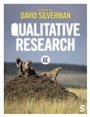
David Silverman
Qualitative Research
Book
11/2025
6th Edition
SAGE Publications Ltd
€132.50
Shipment within 3-4 weeks
David Silverman
Qualitative Research
E-Book
11/2025
6th Edition
Sage Publications Ltd (Digital)
€125.99
Available for download
David Silverman
Qualitative Research
E-Book
11/2025
6th Edition
Sage Publications Ltd (Digital)
€127.99
Available for download
Previous edition
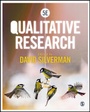
David Silverman
Qualitative Research
Book
12/2020
5th Edition
SAGE Publications Ltd
€83.14
Shipment within 15-20 days
Person
David Silverman trained as a sociologist at the London School of Economics and the University of California, Los Angeles. He taught for 32 years at Goldsmiths, University of London. He is interested in conversation and discourse analysis and he has researched medical consultations and HIV-test counselling.
He is the author of Interpreting Qualitative Data (Seventh Edition, 2024) and A Very Short, Fairly Interesting and Reasonably Cheap Book about Qualitative Research (Second Edition, 2013). He is also the editor of Qualitative Research (Sixth Edition, 2026) and the Sage series, Introducing Qualitative Methods. In recent years, he has offered short, hands-on workshops in qualitative research for research students and faculty at universities in Europe, Asia, Africa and Australia.
Now retired from full-time work, David aims to watch one hundred days of cricket a year. He also enjoys voluntary work in an old people's home where he sings with residents with dementia and strokes.
He is the author of Interpreting Qualitative Data (Seventh Edition, 2024) and A Very Short, Fairly Interesting and Reasonably Cheap Book about Qualitative Research (Second Edition, 2013). He is also the editor of Qualitative Research (Sixth Edition, 2026) and the Sage series, Introducing Qualitative Methods. In recent years, he has offered short, hands-on workshops in qualitative research for research students and faculty at universities in Europe, Asia, Africa and Australia.
Now retired from full-time work, David aims to watch one hundred days of cricket a year. He also enjoys voluntary work in an old people's home where he sings with residents with dementia and strokes.
Content
Part I: Setting The Scene
Chapter 1: Introducing Qualitative Research - David Silverman
Chapter 2: Addressing Social Problems through Qualitative Research - Ross Koppel and Joel Telles
Chapter 3: Ethics and qualitative research - Anne Ryen
Part II: Interviews And Focus Groups
Chapter 4: The 'Inside' and the 'Outside': Finding Realities in Interviews - Jody Miller and Barry Glassner
Chapter 5: Interviewing as a form of Narrative Practice - James A. Holstein and Jaber F. Gubrium
Chapter 6: Analysing Focus Group Data - Sue Wilkinson
Part III: Ethnography
Chapter 7: Ethnographic Practices: Theory, Method, Trends - Erika Cellini and Giampietro Gobo
Chapter 8: Organizational Ethnography - Thomas Eberle and Christoph Maeder
Chapter 9: Practising Reflexivity in Ethnography - Marie Buscatto
Part IV: Texts
Chapter 10: Analysing Documents through Fieldwork - Katarina Jacobsson
Chapter 11: Documents and Documentation - Jamie Lewis and Paul Atkinson
Part V: Talk
Chapter 12: Discursive Psychology - cognition and emotion in interaction - Jonathan Potter
Chapter 13: Conversation Analysis: Practices and Methods - John Heritage
Part VI: Expanding Technologies
Chapter 14: Analysing online data - David C. Giles
Chapter 15: Using CDA on internet data - Johann W. Unger, Ruth Wodak and Majid Khosravinik
Chapter 16: Researchers and Machines: Navigating the methodologically responsible use of Artificial Intelligence Tools in Data Analysis - Christian Schmieder
Part VII: Visual Data
Chapter 17: Analysing visual data - Susan Danby and Michael Emmison
Chapter 18: Video and the Analysis of Social Interaction - Christian Heath
Part VIII: Qualitative Data Analysis
Chapter 19: Some pragmatics of qualitative data analysis - Tim Rapley
Chapter 20: Multimethod Qualitative Research - Nanna Mik-Meyer
Chapter 21: Constructing Grounded Theory Analyses - Anthony Bryant and Kathy Charmaz
Chapter 22: Narrative ethnography and Everyday Storytelling - Jaber Gubrium, James Holstein and Amir Marvasti
Chapter 23: Systematic reviews and qualitative methods - Mary Dixon-Woods
Chapter 24: Secondary analysis of qualitative data - Libby Bishop
Chapter 25: Validity in research - Anssi Peraekylae
Chapter 26: The three faces of writing qualitative research: practice, genre and audience - Amir Marvasti
Chapter 1: Introducing Qualitative Research - David Silverman
Chapter 2: Addressing Social Problems through Qualitative Research - Ross Koppel and Joel Telles
Chapter 3: Ethics and qualitative research - Anne Ryen
Part II: Interviews And Focus Groups
Chapter 4: The 'Inside' and the 'Outside': Finding Realities in Interviews - Jody Miller and Barry Glassner
Chapter 5: Interviewing as a form of Narrative Practice - James A. Holstein and Jaber F. Gubrium
Chapter 6: Analysing Focus Group Data - Sue Wilkinson
Part III: Ethnography
Chapter 7: Ethnographic Practices: Theory, Method, Trends - Erika Cellini and Giampietro Gobo
Chapter 8: Organizational Ethnography - Thomas Eberle and Christoph Maeder
Chapter 9: Practising Reflexivity in Ethnography - Marie Buscatto
Part IV: Texts
Chapter 10: Analysing Documents through Fieldwork - Katarina Jacobsson
Chapter 11: Documents and Documentation - Jamie Lewis and Paul Atkinson
Part V: Talk
Chapter 12: Discursive Psychology - cognition and emotion in interaction - Jonathan Potter
Chapter 13: Conversation Analysis: Practices and Methods - John Heritage
Part VI: Expanding Technologies
Chapter 14: Analysing online data - David C. Giles
Chapter 15: Using CDA on internet data - Johann W. Unger, Ruth Wodak and Majid Khosravinik
Chapter 16: Researchers and Machines: Navigating the methodologically responsible use of Artificial Intelligence Tools in Data Analysis - Christian Schmieder
Part VII: Visual Data
Chapter 17: Analysing visual data - Susan Danby and Michael Emmison
Chapter 18: Video and the Analysis of Social Interaction - Christian Heath
Part VIII: Qualitative Data Analysis
Chapter 19: Some pragmatics of qualitative data analysis - Tim Rapley
Chapter 20: Multimethod Qualitative Research - Nanna Mik-Meyer
Chapter 21: Constructing Grounded Theory Analyses - Anthony Bryant and Kathy Charmaz
Chapter 22: Narrative ethnography and Everyday Storytelling - Jaber Gubrium, James Holstein and Amir Marvasti
Chapter 23: Systematic reviews and qualitative methods - Mary Dixon-Woods
Chapter 24: Secondary analysis of qualitative data - Libby Bishop
Chapter 25: Validity in research - Anssi Peraekylae
Chapter 26: The three faces of writing qualitative research: practice, genre and audience - Amir Marvasti