

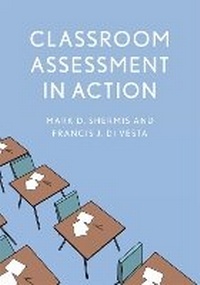
Classroom Assessment in Action
Published on 16. May 2011
Book
Paperback/Softback
560 pages
978-1-4422-0837-7 (ISBN)
Description
Classroom Assessment in Action clarifies the multi-faceted roles of measurement and assessment and their applications in a classroom setting. Comprehensive in scope, Shermis and Di Vesta explain basic measurement concepts and show students how to interpret the results of standardized tests. From these basic concepts, the authors then provide clear and ordered discussions of how assessment and instruction is integrated into a functional process to enhance student learning. Guidelines are set forth for constructing various common assessments. Procedures are laid out to evaluate and improve assessments once they are constructed. Ultimately, the authors shed light on the myriad of factors that impact test score interpretation.
In today's classroom, technology has become a constant companion, and Classroom Assessment in Action exposes teacher candidates to emerging technologies they might encounter in building their repertoire of assessments, whether it be automated essay scoring or electronic portfolios.
Classroom Assessment in Action guides its readers to a complete and thorough understanding of assessment and measurement so that they can confidently work with students and parents in explaining results, whether they are from a high-stakes statewide assessment or the grading philosophy to which they ascribe.
In today's classroom, technology has become a constant companion, and Classroom Assessment in Action exposes teacher candidates to emerging technologies they might encounter in building their repertoire of assessments, whether it be automated essay scoring or electronic portfolios.
Classroom Assessment in Action guides its readers to a complete and thorough understanding of assessment and measurement so that they can confidently work with students and parents in explaining results, whether they are from a high-stakes statewide assessment or the grading philosophy to which they ascribe.
Reviews / Votes
Classroom Assessment in Action is a first-rate text from which to teach classroom assessment. Well chosen topics and an easy-to-read style ensure that their book will be a valuable resource to students preparing to be teachers and principals as well as to professionals who need to revisit issues in classroom assessment. -- James Algina, University of Florida Classroom Assessment in Action is very readable and useful as a stand-alone first text on the subject, as the material does not require previous training in statistics or measurement. The authors have done an excellent job of addressing the topics that need to be studied by those engaged in classroom assessment, particularly teachers. The treatment of the topic is such that application to classroom instruction should be relatively easy. This would also be an excellent text for a beginning graduate level course in classroom assessment and for both prospective teachers and teachers returning for additional graduate study. -- Allan Cohen, University of Georgia Shermis and Di Vesta provide a very thorough coverage of the topic of classroom assessment with a very solid grounding in the context of instructional improvement. They also cover the policy issues related to school-based assessment and special topics beyond the standard classroom assessment book. This book is both a practical guide and a great reference for the complex issues that drive school-based assessment. I especially liked the focus on improving tests and instruction and the practical guidelines for scoring open-ended assessments. I strongly endorse this book for courses on classroom assessment or as a reference work for those who are in the trenches evaluating student work in an instructional context. -- Mark D. Reckase, Michigan State University Classroom Assessment in Action is a very useful book on the subject of classroom assessment and how to incorporate assessment in instruction. It discusses a range of assessment methods, discussing traditional testing approaches in depth while showing the diversity of assessment practices beyond testing. . . [T]his is an excellent introductory text for teachers and professionals about how to construct, evaluate, and improve assessments, authored by expert faculty in the areas of education and psychology. The book gives useful detail on relevant theory and methods, embedding the theoretical discussions in practical examples of how to implement the theory and methods in real-life classroom situations and discussions of how assessment can support decision making at multiple levels. * American Journal of Psychology *More details
Language
English
Place of publication
United States
Publishing group
Bloomsbury Publishing Plc
Target group
Professional and scholarly
US School Grade: From College Freshman to College Graduate Student, Interest Age: From 18 to 22 years
Dimensions
Height: 257 mm
Width: 181 mm
Thickness: 33 mm
Weight
1125 gr
ISBN-13
978-1-4422-0837-7 (9781442208377)
Copyright in bibliographic data and cover images is held by Nielsen Book Services Limited or by the publishers or by their respective licensors: all rights reserved.
Schweitzer Classification
Other editions
Additional editions
Mark D. Shermis | Francis J. DiVesta
Classroom Assessment in Action
E-Book
04/2011
1st Edition
Rowman & Littlefield Publishers
€80.99
Available for download
Mark D. Shermis | Francis J. DiVesta
Classroom Assessment in Action
E-Book
04/2011
1st Edition
Bloomsbury eBooks US
€80.99
Available for download
Persons
Mark D. Shermis is professor of education and dean at the University of Akron.
Francis J. Di Vesta is professor emeritus at Pennsylvania State University.
Francis J. Di Vesta is professor emeritus at Pennsylvania State University.
Content
Preface
Acknowledgments
A Note to the Reader: Theory to Practice
Chapter 1: Orientation to Assessment
A Definition to Assessment
The Components of Assessment
Who Uses Classroom Assessment and Why?
Policy Makers' Use of Assessment: The No Child Left Behind Act
How You Will Incorporate Assessment in Instruction
Your Knowledge about Assessment
The Consequences of Poor Assessment Practices
Contemporary Classroom Assessment
Summary
Chapter 2 Planning Assessments
Scores and Their Interpretation
Criterion-Referenced Assessments
Norm-Referenced Assessments
Making Plans for Assessment
Creating Blueprints for Specific Assessments
Test Blueprints
Assessment Modalities and the Role of Observation
Summary
Chapter 3: Observation: Bases of Assessment
Making Observations
Direct Observation
Teachers as Observers
Components and Purposes of Observation
Making Observations
Summary
Chapter 4: Formative Assessment: Using Assessment for Improving Instruction
Distinctions between Summative and Formative Assessment
Formal and Informal Formative Assessment
Interpretation of Feedback in Formative Assessment
Using Assessments as Evidence of Progress
The Dynamics of Formative Assessment
Feedback
Asking the Right Questions in Assessment
Implementing Formative Assessment
Designing Appropriate Formative Tests
Summary
Chapter 5: Performance Assessment
Definitions
Performance Assessments
Behavioral Objectives Redux
Creating Rubrics
Advantages of Using Rubrics
Improving Consistency of Ratings
Portfolio Assessment
Summary
Chapter 6: Developing Objective Tests
Considerations in Choosing a Test Format
True-False Tests
Multiple-Choice
Matching Tests
The Challenge in Assessing Higher-Order Thinking
Summary
Chapter 7: Developing Subjective Tests
Constructed Responses Tests
Short Answer Questions
Essay Questions
Evaluating Essays
Summary
Chapter 8: Selecting Standardized Tests
Objectives
Principles for Selecting Standardized Tests
Sources to Guide Selection of Standardized Tests
Buros Mental Measurements Yearbook and Tests in Print
The ETS Test Collection
ERIC
Standards for Educational and Psychological Testing
Standardized Tests and Classroom Assessments
Summary
Chapter 9: Technology in Assessment
Technological Formats for Instruction: Emergence of Formative Assessment
Technology and Assessment
Some Available Testing Software
Measurement and Reports of Problem Solving
Technology-Based Science Assessment Environments (Quellmalz & Haertel, 2000)
Expansion of Computer-Based Assessment Technology
Observations
Summary
Appendix: Resource List of Websites Pertaining to Assessment
Chapter 10: Improving Tests
The Context of Test Improvement
Item Improvement
Testing for Mastery
Keep an Item Bank or Item Pool: Putting It All Together
Some General Guidelines for Improving Test Items
Summary
Chapter 11: Domain Specific Assessment and Learning
Perspectives on Subject-Matter Instruction and Assessment
Constructivism in Assessment
Assessment at Instructional Phases
Constructing and Using Questionnaires to Measure Dispositions, Metacognitions, and Affect
Summary
Helpful Readings
Chapter 12: Grading
On the Nature of Learning in Public Schools
Technology Applied to Grading
Reporting Grades: The Report Card
Beyond Grades
Summary
Chapter 13: Supplementary Assessment of Individual Differences
A Classroom Model Underlying Assessment
Using Measures of Individual Differences
Categories of Individual Differences
Culture as a Source of Individual Differences
Measuring by Use of Self-Reports: Assessment of Affect and Learner Motivations
Graphic Organizers of Achievement of Course Content
Assessment Based on Multiple Intelligence
Self-Reports of Preferences: Assessment of Learning Styles
Responses to Intervention (RTI) A System for Instruction-Based Assessment
Dynamic Assessment: Measuring Change and Potential for Learning
Integrating Assessments: The Case Study
Summary
Chapter 14: High-Stakes Testing: Policy and Accountability
An Overview
Policy and Accountability
Assessment for Educational Policy and Accountability: The National Assessment of Educational Progress
Assessment in Policy for Accountability: The No Child Left Behind (NCLB) Legislation
Summary
Chapter 15: Assessment and "Best Practices"
Purposes Served by Best Practices Studies
Teacher Preparation for Assessment Practices
Benchmarking as a Component of Best Practice Studies
Best Practices Research
Best Practices for Educational Improvement
Using Best Practices in Teacher Education
Chapter 16: Test Bias, Fairness, and Testing Accommodations
Obtained Scores, True Scores, and Error
Student Characteristics and Normative Comparisons
Bias in the Construction of Assessments
Bias through Question Formats
Bias in the Administration of Assessments
Fairness
Testing Accommodations
Summary
Acknowledgments
A Note to the Reader: Theory to Practice
Chapter 1: Orientation to Assessment
A Definition to Assessment
The Components of Assessment
Who Uses Classroom Assessment and Why?
Policy Makers' Use of Assessment: The No Child Left Behind Act
How You Will Incorporate Assessment in Instruction
Your Knowledge about Assessment
The Consequences of Poor Assessment Practices
Contemporary Classroom Assessment
Summary
Chapter 2 Planning Assessments
Scores and Their Interpretation
Criterion-Referenced Assessments
Norm-Referenced Assessments
Making Plans for Assessment
Creating Blueprints for Specific Assessments
Test Blueprints
Assessment Modalities and the Role of Observation
Summary
Chapter 3: Observation: Bases of Assessment
Making Observations
Direct Observation
Teachers as Observers
Components and Purposes of Observation
Making Observations
Summary
Chapter 4: Formative Assessment: Using Assessment for Improving Instruction
Distinctions between Summative and Formative Assessment
Formal and Informal Formative Assessment
Interpretation of Feedback in Formative Assessment
Using Assessments as Evidence of Progress
The Dynamics of Formative Assessment
Feedback
Asking the Right Questions in Assessment
Implementing Formative Assessment
Designing Appropriate Formative Tests
Summary
Chapter 5: Performance Assessment
Definitions
Performance Assessments
Behavioral Objectives Redux
Creating Rubrics
Advantages of Using Rubrics
Improving Consistency of Ratings
Portfolio Assessment
Summary
Chapter 6: Developing Objective Tests
Considerations in Choosing a Test Format
True-False Tests
Multiple-Choice
Matching Tests
The Challenge in Assessing Higher-Order Thinking
Summary
Chapter 7: Developing Subjective Tests
Constructed Responses Tests
Short Answer Questions
Essay Questions
Evaluating Essays
Summary
Chapter 8: Selecting Standardized Tests
Objectives
Principles for Selecting Standardized Tests
Sources to Guide Selection of Standardized Tests
Buros Mental Measurements Yearbook and Tests in Print
The ETS Test Collection
ERIC
Standards for Educational and Psychological Testing
Standardized Tests and Classroom Assessments
Summary
Chapter 9: Technology in Assessment
Technological Formats for Instruction: Emergence of Formative Assessment
Technology and Assessment
Some Available Testing Software
Measurement and Reports of Problem Solving
Technology-Based Science Assessment Environments (Quellmalz & Haertel, 2000)
Expansion of Computer-Based Assessment Technology
Observations
Summary
Appendix: Resource List of Websites Pertaining to Assessment
Chapter 10: Improving Tests
The Context of Test Improvement
Item Improvement
Testing for Mastery
Keep an Item Bank or Item Pool: Putting It All Together
Some General Guidelines for Improving Test Items
Summary
Chapter 11: Domain Specific Assessment and Learning
Perspectives on Subject-Matter Instruction and Assessment
Constructivism in Assessment
Assessment at Instructional Phases
Constructing and Using Questionnaires to Measure Dispositions, Metacognitions, and Affect
Summary
Helpful Readings
Chapter 12: Grading
On the Nature of Learning in Public Schools
Technology Applied to Grading
Reporting Grades: The Report Card
Beyond Grades
Summary
Chapter 13: Supplementary Assessment of Individual Differences
A Classroom Model Underlying Assessment
Using Measures of Individual Differences
Categories of Individual Differences
Culture as a Source of Individual Differences
Measuring by Use of Self-Reports: Assessment of Affect and Learner Motivations
Graphic Organizers of Achievement of Course Content
Assessment Based on Multiple Intelligence
Self-Reports of Preferences: Assessment of Learning Styles
Responses to Intervention (RTI) A System for Instruction-Based Assessment
Dynamic Assessment: Measuring Change and Potential for Learning
Integrating Assessments: The Case Study
Summary
Chapter 14: High-Stakes Testing: Policy and Accountability
An Overview
Policy and Accountability
Assessment for Educational Policy and Accountability: The National Assessment of Educational Progress
Assessment in Policy for Accountability: The No Child Left Behind (NCLB) Legislation
Summary
Chapter 15: Assessment and "Best Practices"
Purposes Served by Best Practices Studies
Teacher Preparation for Assessment Practices
Benchmarking as a Component of Best Practice Studies
Best Practices Research
Best Practices for Educational Improvement
Using Best Practices in Teacher Education
Chapter 16: Test Bias, Fairness, and Testing Accommodations
Obtained Scores, True Scores, and Error
Student Characteristics and Normative Comparisons
Bias in the Construction of Assessments
Bias through Question Formats
Bias in the Administration of Assessments
Fairness
Testing Accommodations
Summary