

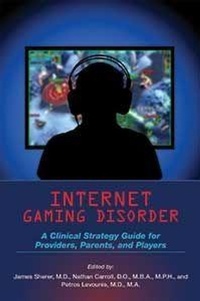
Internet Gaming Disorder
A Clinical Strategy Guide for Providers, Parents, and Players
Will be published approx. on 13. February 2026
Book
Paperback/Softback
472 pages
979-8-89455-143-2 (ISBN)
Description
With an estimated 3.3 billion gamers globally and an
industry valued at nearly $300 billion, video games represent the
fastest-growing form of entertainment-outpacing traditional sports, music,
and movies combined. Although gaming can foster community and personal
enrichment, it also carries the risk of internet gaming disorder (IGD), a
behavioral addiction marked by impaired control over gaming, prioritization
of gaming over other activities, and continued play despite negative
consequences.
Internet Gaming Disorder: A Clinical Strategy Guide
for Providers, Parents, and Players is the first and most
comprehensive interdisciplinary resource on the diagnosis, treatment, and
cultural context of IGD. Written by psychiatrists with expertise spanning
child and adolescent, addiction, forensic, and geriatric psychiatry, this
volume offers a holistic view of the benefits and problems associated with
gaming.
Accessible yet clinically rigorous, this guide explores
* Medical and psychiatric comorbidities associated with IGD
* The
risk of online exploitation
* Gaming's impact across diverse
populations, including children and adolescents, older adults, and LGBTQ+
individuals
* The intersection of gaming with social media and
real-world violence
* The latest evidence-based interventions, from
pharmacological treatments to cognitive-behavioral therapy and family-based
strategies
Further chapters delve into the ethical dimensions of
gaming, the future of immersive technologies, and how video games are
emerging as therapeutic tools. Each section integrates clinical insight with
real-world examples, offering case studies, key clinical points, and
practice questions to reinforce learning. Equally valuable for clinicians,
families, and gamers, Internet Gaming Disorder provides practical strategies
for setting healthy boundaries, recognizing warning signs, and engaging with
video games in a balanced, rewarding way.
industry valued at nearly $300 billion, video games represent the
fastest-growing form of entertainment-outpacing traditional sports, music,
and movies combined. Although gaming can foster community and personal
enrichment, it also carries the risk of internet gaming disorder (IGD), a
behavioral addiction marked by impaired control over gaming, prioritization
of gaming over other activities, and continued play despite negative
consequences.
Internet Gaming Disorder: A Clinical Strategy Guide
for Providers, Parents, and Players is the first and most
comprehensive interdisciplinary resource on the diagnosis, treatment, and
cultural context of IGD. Written by psychiatrists with expertise spanning
child and adolescent, addiction, forensic, and geriatric psychiatry, this
volume offers a holistic view of the benefits and problems associated with
gaming.
Accessible yet clinically rigorous, this guide explores
* Medical and psychiatric comorbidities associated with IGD
* The
risk of online exploitation
* Gaming's impact across diverse
populations, including children and adolescents, older adults, and LGBTQ+
individuals
* The intersection of gaming with social media and
real-world violence
* The latest evidence-based interventions, from
pharmacological treatments to cognitive-behavioral therapy and family-based
strategies
Further chapters delve into the ethical dimensions of
gaming, the future of immersive technologies, and how video games are
emerging as therapeutic tools. Each section integrates clinical insight with
real-world examples, offering case studies, key clinical points, and
practice questions to reinforce learning. Equally valuable for clinicians,
families, and gamers, Internet Gaming Disorder provides practical strategies
for setting healthy boundaries, recognizing warning signs, and engaging with
video games in a balanced, rewarding way.
More details
Language
English
Place of publication
VA
United States
Target group
Professional and scholarly
US School Grade: College Graduate Student and over
Product notice
Paperback (trade)
Illustrations
1 Halftones, black and white; 10 Line drawings, black and white; 67 Tables, unspecified
Dimensions
Height: 229 mm
Width: 152 mm
Thickness: 30 mm
Weight
748 gr
ISBN-13
979-8-89455-143-2 (9798894551432)
Copyright in bibliographic data and cover images is held by Nielsen Book Services Limited or by the publishers or by their respective licensors: all rights reserved.
Schweitzer Classification
Other editions
Additional editions
James Sherer | Nathan Carroll | Petros Levounis
Internet Gaming Disorder
A Clinical Strategy Guide for Providers, Parents, and Players
E-Book
12/2025
American Psychiatric Association Publishing
€67.49
Available for download
Persons
James Sherer, M.D., is Deputy Chief Medical Officer
at Carrier Clinic in Belle Mead; Addiction Medical Director at Blake
Recovery Center and Addiction Medical Director of Retreat and Recovery at
Ramapo Valley, part of Hackensack Meridian Health in Mahwah; Network Medical
Director for Addiction Medical Services at Hackensack Meridian Health Care
Transformation Service; Assistant Professor of Psychiatry at Rutgers Robert
Wood Johnson Medical School in Newark; and Chief Clinical Officer at Nostos
in Mount Tabor, New Jersey.
Nathan Carroll, D.O., M.B.A.,
M.P.H., is National Medical Director of a pioneering
technology-focused mental health company; the former Chief Psychiatric
Resident at Jersey Shore University Medical Center, part of Hackensack
Meridian Health in Neptune, New Jersey, and the immediate past Chair of the
American Psychiatric Association Foundation Leadership Fellowship in
Washington, D.C.
Petros Levounis, M.D., M.A., is Professor and
Chair of the Department of Psychiatry and Associate Dean for Professional
Development at Rutgers New Jersey Medical School; Chief of Service at
University Hospital; and Director of the Northern New Jersey Medications for
Addiction Treatment Center of Excellence in Newark, New Jersey. He is also a
former President of the American Psychiatric Association (2023-2024).
at Carrier Clinic in Belle Mead; Addiction Medical Director at Blake
Recovery Center and Addiction Medical Director of Retreat and Recovery at
Ramapo Valley, part of Hackensack Meridian Health in Mahwah; Network Medical
Director for Addiction Medical Services at Hackensack Meridian Health Care
Transformation Service; Assistant Professor of Psychiatry at Rutgers Robert
Wood Johnson Medical School in Newark; and Chief Clinical Officer at Nostos
in Mount Tabor, New Jersey.
Nathan Carroll, D.O., M.B.A.,
M.P.H., is National Medical Director of a pioneering
technology-focused mental health company; the former Chief Psychiatric
Resident at Jersey Shore University Medical Center, part of Hackensack
Meridian Health in Neptune, New Jersey, and the immediate past Chair of the
American Psychiatric Association Foundation Leadership Fellowship in
Washington, D.C.
Petros Levounis, M.D., M.A., is Professor and
Chair of the Department of Psychiatry and Associate Dean for Professional
Development at Rutgers New Jersey Medical School; Chief of Service at
University Hospital; and Director of the Northern New Jersey Medications for
Addiction Treatment Center of Excellence in Newark, New Jersey. He is also a
former President of the American Psychiatric Association (2023-2024).
Content
Chapter 1. The Culture of Video Games
Chapter 2.
Neurobiology of Internet Gaming Disorder
Chapter 3. Diagnosis of
Internet Gaming Disorder and Gaming Disorder
Chapter 4. History Taking
Techniques for Internet Gaming Disorder
Chapter 5. Treatments for
Internet Gaming Disorder
Chapter 6. Medical and Psychiatric Correlates
of Internet Gaming Disorder: Pixels and Pathology
Chapter 7. Impact of
Internet Gaming Disorder on Children and Adolescents
Chapter 8. Impact
of Internet Gaming Disorder on Older Adults
Chapter 9. Impact of
Internet Gaming Disorder on the LGBTQ+ Community
Chapter 10. Ethics and
Forensics of Video Games and Violence
Chapter 11. Connection Between
Social Media and Video Games
Chapter 12. The Future of Addictive Video
Games
Chapter 13. Video Games Used as Treatment
Chapter 2.
Neurobiology of Internet Gaming Disorder
Chapter 3. Diagnosis of
Internet Gaming Disorder and Gaming Disorder
Chapter 4. History Taking
Techniques for Internet Gaming Disorder
Chapter 5. Treatments for
Internet Gaming Disorder
Chapter 6. Medical and Psychiatric Correlates
of Internet Gaming Disorder: Pixels and Pathology
Chapter 7. Impact of
Internet Gaming Disorder on Children and Adolescents
Chapter 8. Impact
of Internet Gaming Disorder on Older Adults
Chapter 9. Impact of
Internet Gaming Disorder on the LGBTQ+ Community
Chapter 10. Ethics and
Forensics of Video Games and Violence
Chapter 11. Connection Between
Social Media and Video Games
Chapter 12. The Future of Addictive Video
Games
Chapter 13. Video Games Used as Treatment